23 Sisters
Play 23 Sisters
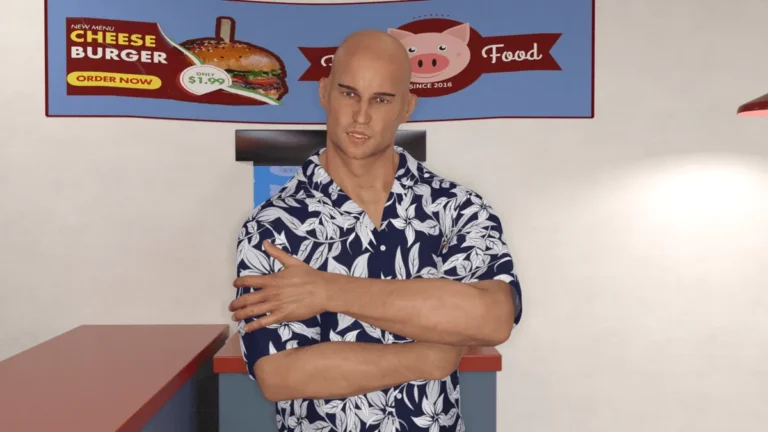
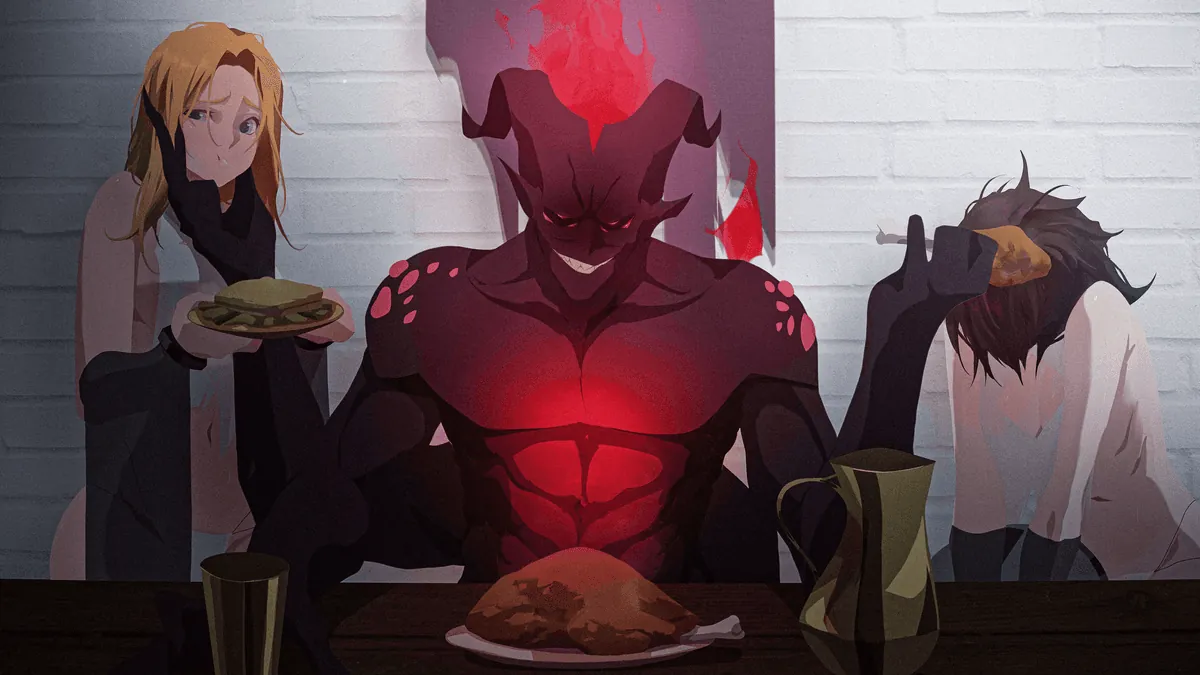
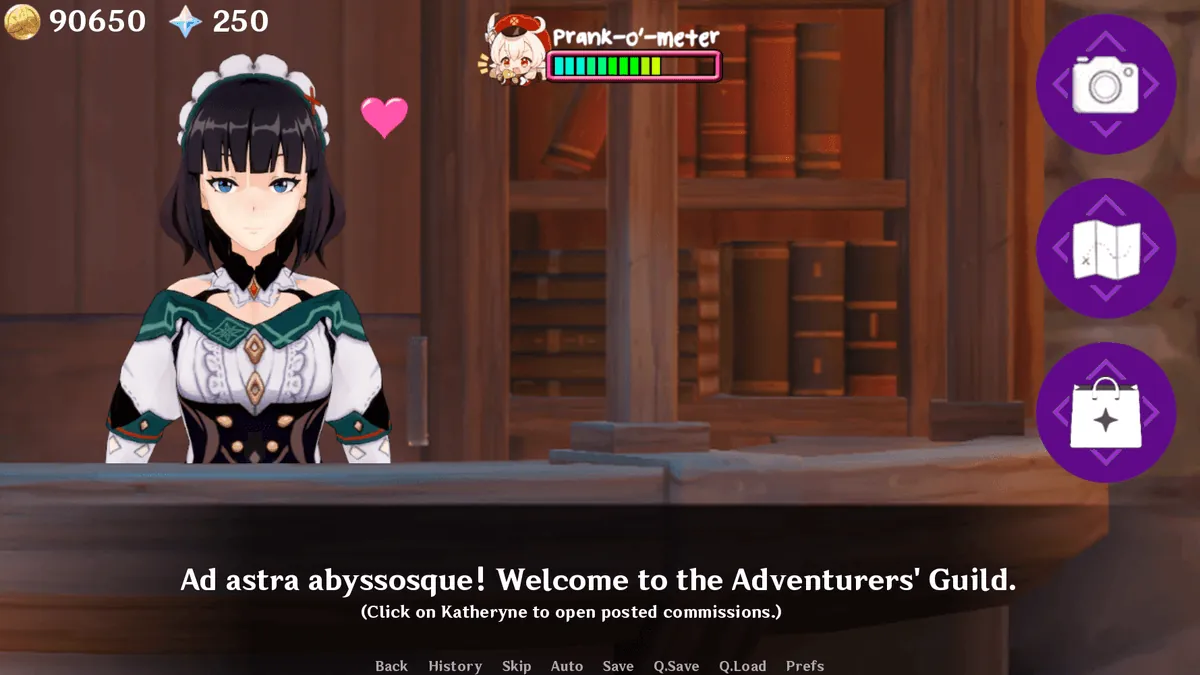
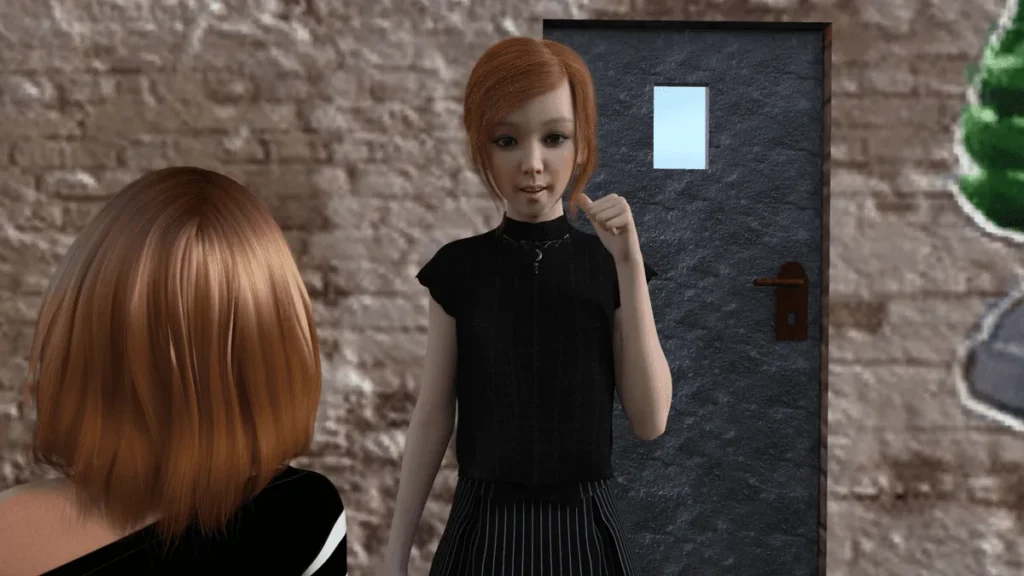
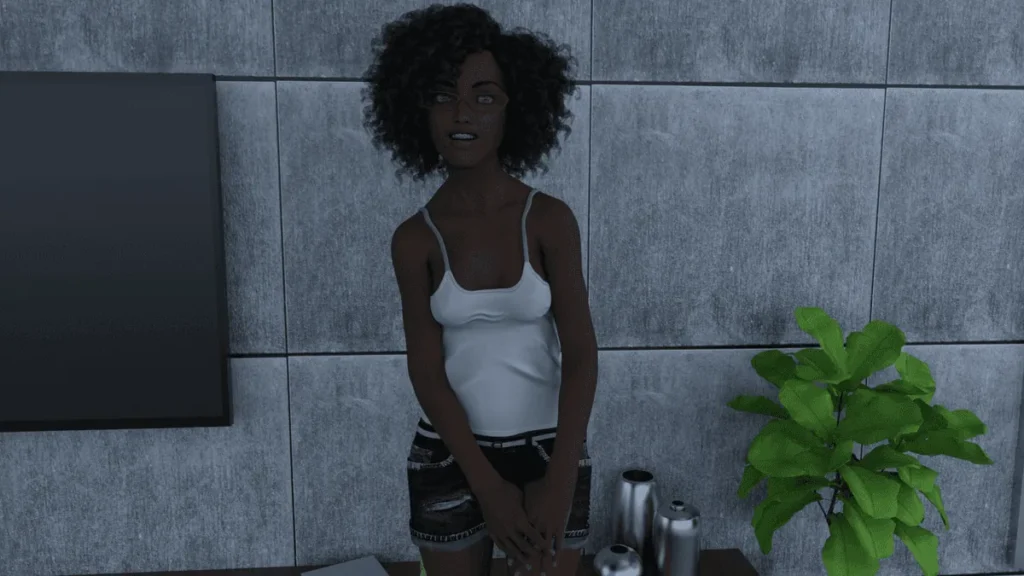
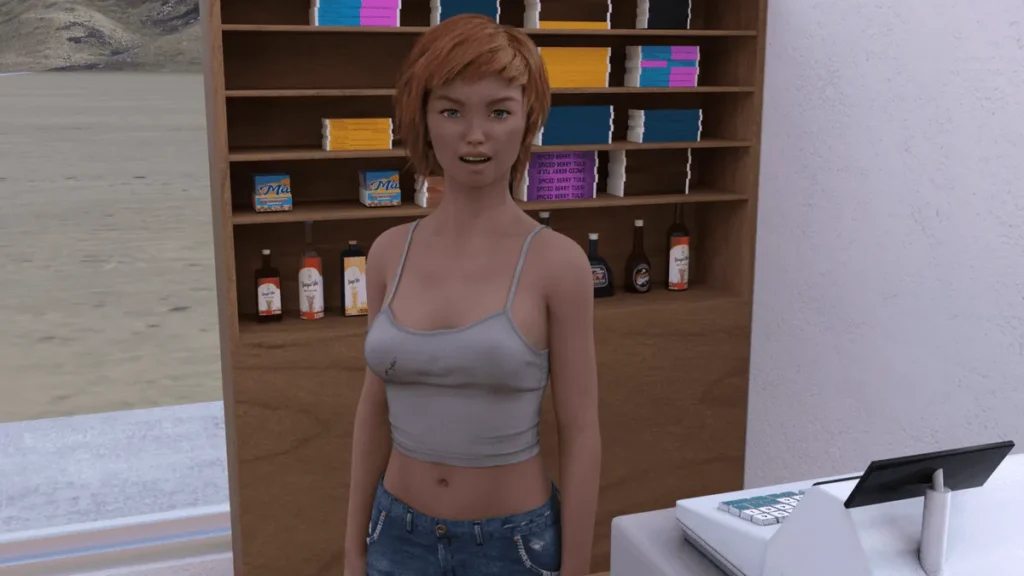
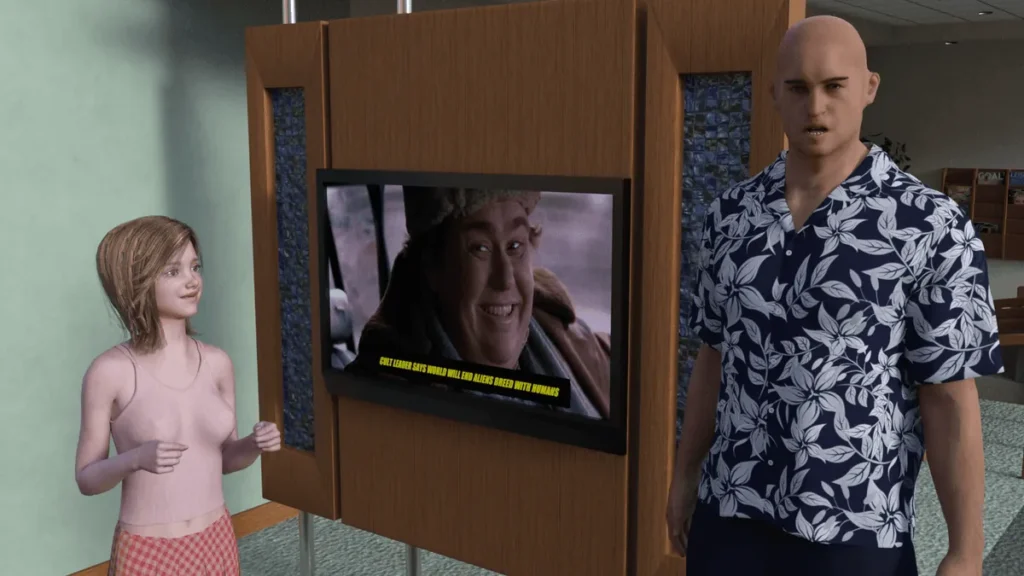
23 Sisters Screenshots



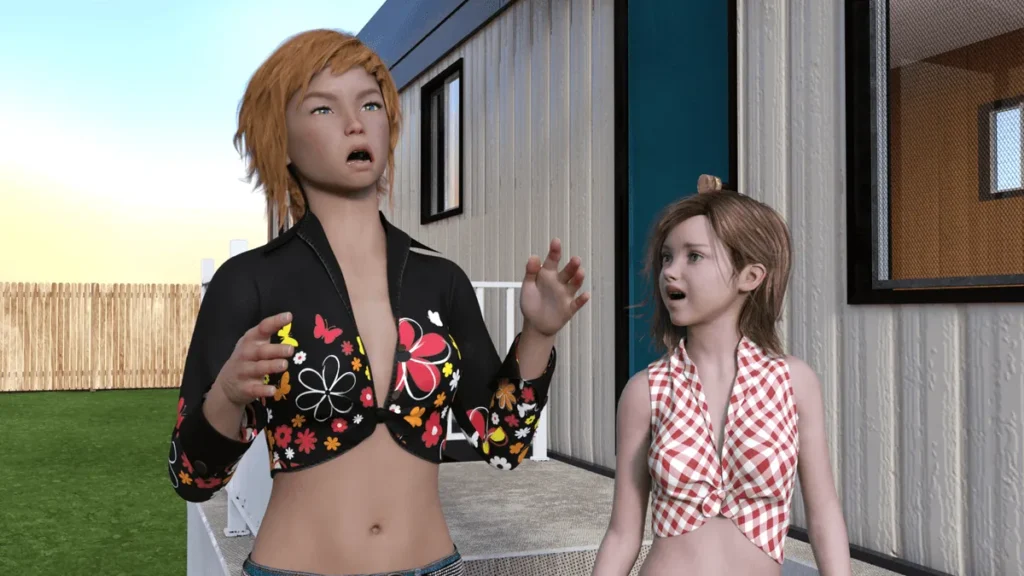
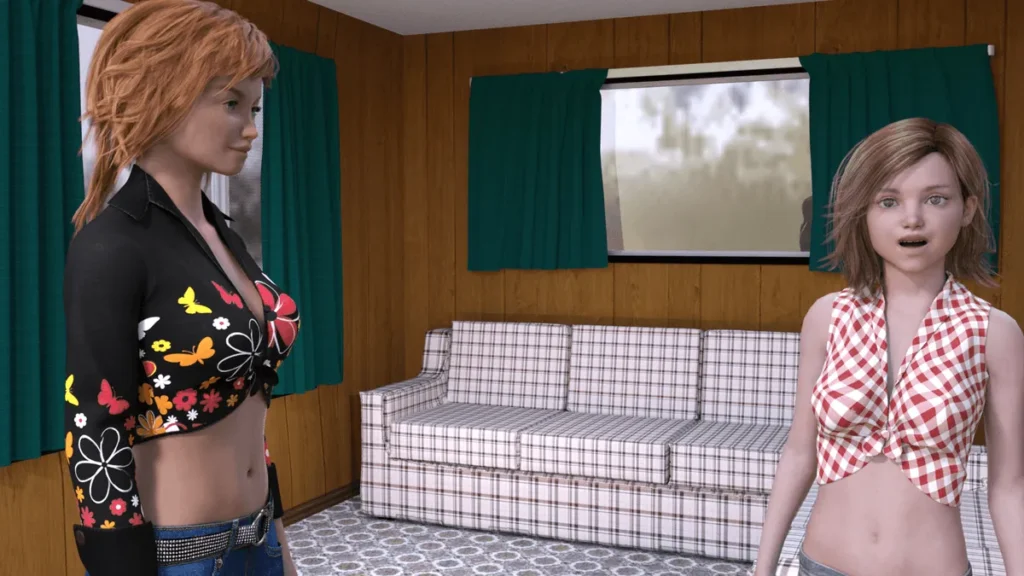
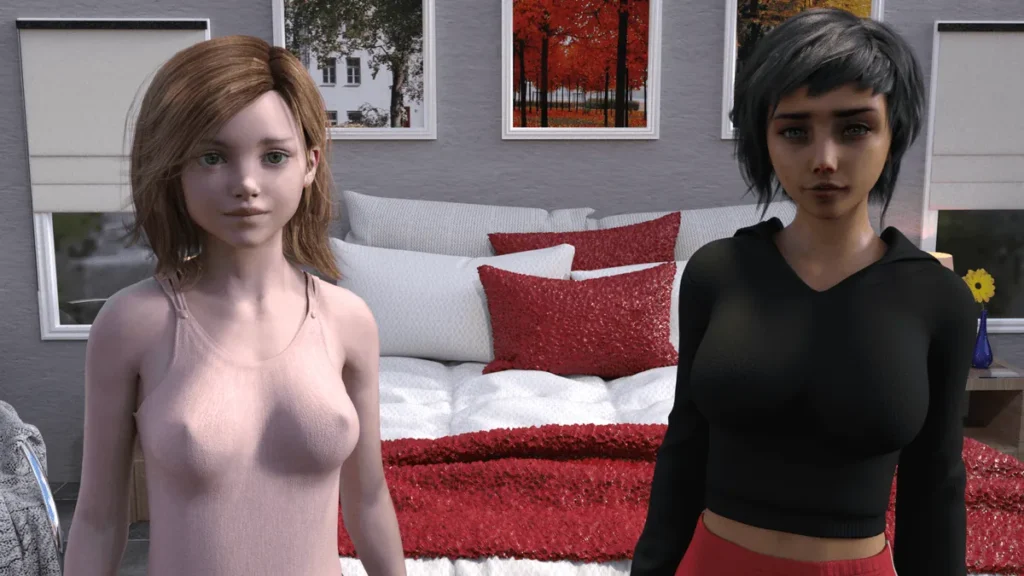
23 Sisters review
Explore the immersive narrative experience and relationship mechanics of this indie visual novel
23 Sisters stands out as a unique indie visual novel that combines narrative depth with player choice mechanics. This game offers players an engaging experience centered around relationship building and decision-making that shapes the story’s progression. Whether you’re new to visual novels or a seasoned player, understanding what 23 Sisters brings to the table helps you decide if it matches your gaming preferences. The game has garnered attention for its distinctive approach to storytelling and character development, making it worth exploring for fans of interactive fiction and narrative-driven experiences.
Understanding 23 Sisters: Game Mechanics and Core Features
Ever downloaded a game expecting a simple story, only to find yourself hours later, emotionally invested in digital characters, agonizing over every dialogue choice like it’s a real conversation? 😅 That was my exact experience with 23 Sisters. I booted it up thinking, “Okay, twenty-three siblings, that’s a fun premise,” and suddenly it’s 2 a.m., and I’m genuinely worried if my in-game sister, Maya, will forgive me for missing her art show. This isn’t just a story you read; it’s a world you live in and shape. Welcome to the heart of this unique interactive fiction experience.
At its core, 23 Sisters is a masterclass in the modern visual novel format. It takes the classic ingredients—static backgrounds, character sprites, and text-based narration—and infuses them with profound player agency. You don’t just watch a family drama unfold; you become the catalyst for it. Every line you select, every activity you prioritize, and every sibling you choose to confide in sends ripples through the entire narrative pond. This 23 Sisters visual novel is built on a simple but powerful promise: your choices are not illusions; they are the architects of your story. If you’ve ever wished a book would listen to you, this is your game.
What Makes 23 Sisters a Unique Visual Novel Experience
So, what sets this apart from other games in the genre? It’s the staggering scale of connection paired with intimate storytelling. 🏡 Managing relationships with twenty-three distinct siblings sounds like a logistical nightmare, but the game cleverly makes it the core of its charm. You’re not checking names off a list; you’re learning personalities, remembering quirks, and navigating the complex web of a huge family. One moment you’re helping your tech-genius little brother debug his robot, and the next, you’re listening to your eldest sister’s anxieties about holding the family together.
The interactive fiction experience here is defined by its pacing and atmosphere. A typical play session can be a calming 30-minute chat with a few siblings, or a deep, hours-long dive into a pivotal family event. There’s no combat, no puzzles to solve under pressure—just the compelling drama of human (or, well, sibling) connection. Progression is measured not in levels, but in trust earned, secrets shared, and bonds strengthened. The game’s save system is your best friend, allowing you to bookmark critical decision points and explore different paths, which is essential for a multiple endings visual novel of this scope.
The brilliance lies in the balance. While the overall plot has a direction, your player agency determines the emotional journey, the alliances you form, and which sibling subplots you bring to light. The game masterfully intertwines linear, scripted story beats with vast open spaces for your personal choices to shine, creating a tale that feels both epic and uniquely yours.
Gameplay Mechanics and Player Choice Systems
Let’s get into the nuts and bolts. How do you actually play 23 Sisters? The visual novel gameplay mechanics are elegant in their design, putting narrative power directly in your hands. The core loop is a cycle of exploration, conversation, and consequence. You’ll navigate the family’s sprawling home and the town, encounter your siblings, and engage in dialogue. This is where the magic happens.
Every conversation is a potential turning point. The game presents you with branching narrative choices that range from the seemingly mundane (“Offer to help with chores”) to the deeply personal (“Ask about their absent parent”). There are no obvious “good” or “bad” choices, only authentic ones. A response that endears you to your stoic brother might accidentally annoy your free-spirited sister. The game tracks everything in a hidden but tangible way, influencing future dialogue options, character availability, and ultimately, the story’s conclusion.
To give you a clearer picture of how these systems work together, here’s a breakdown:
| Core Gameplay Feature | How It Works in 23 Sisters | Player Impact |
|---|---|---|
| Dialogue Trees & Choices | Multi-option responses during conversations, often with timed decisions to increase tension. | Directly influences individual character affinity and unlocks or locks future story branches. |
| Daily Activity Selection | Each in-game day, you choose which location to visit (e.g., garden, library, downtown) and who to interact with. | Dictates which subplots you advance and which relationships you prioritize, shaping the overall narrative focus. |
| Relationship & Event Flags | Hidden triggers are set based on your cumulative choices, determining which scenes play and when. | Creates a completely personalized story flow; two players will witness different events in different orders. |
| Affinity System | A hidden numerical (or tier-based) value for each sibling, changed by every interaction. | Governs characters’ openness, the intimacy of conversations, and eligibility for specific endings. |
The game is excellent at communicating consequences without bluntly spelling them out. 👏 You might notice a sibling’s sprite has a slightly downcast expression the next day, or a line of dialogue referencing something you said a week ago (in-game). This subtle feedback makes the world feel alive and responsive. It turns the game into a true relationship building game, where your investment is constantly reflected back at you.
Character Relationship Building and Story Branching
This is where 23 Sisters truly ascends from a great game to a memorable one. The character relationship system isn’t a side feature; it is the main quest. Each of the twenty-three sisters (and brothers!) has a fully realized arc, complete with hopes, fears, and intricate connections to other family members. Building a relationship isn’t just about always agreeing with them. Sometimes, the strongest bonds are forged through compassionate confrontation or by being a steady presence during their failures.
The system works on layers. Surface-level affinity unlocks more personal conversations, which in turn reveal “Relationship Points” where you can make pivotal choices that define that bond. For instance, building trust with Elena, the aspiring musician, might involve initially just praising her performances. Later, you might get the choice to encourage her to audition for a daunting music conservatory or suggest she takes a safer route. This choice doesn’t just affect your score with her; it might trigger reactions from her protective twin, or alter the family’s dynamic if she succeeds or fails.
Let me give you a concrete example from my own playthrough that illustrates the beautiful chaos of branching narrative choices:
I was close with Leo, the family’s peacemaker. When a fierce argument broke out between two other siblings over a broken heirloom, I had a choice: privately ask Leo to help mediate (appealing to his nature), publicly take a side to end the fight quickly, or investigate the breakage myself. I chose to ask Leo. This succeeded in calming the immediate argument and massively boosted my bond with him, as he felt trusted. However, the underlying cause wasn’t addressed. Several days later, the argument reignited more violently, and because I hadn’t investigated, I lacked the crucial evidence to permanently resolve it. This closed off a path to family-wide harmony and instead led to a lasting rift that influenced the game’s finale. A single, well-intentioned choice created a cascade of consequences I felt for the rest of the story.
This complexity is what fuels the game’s status as a premier multiple endings visual novel. You’re not just working toward one “true” ending. You’re crafting an ending for the family, and individual conclusions for the siblings you focused on. Endings can range from the family dissolving in acrimony, to finding a fragile new balance, to achieving a deeply heartfelt unity. The replay value is enormous, not out of obligation to collect endings, but from genuine curiosity: “What if I sided with that sister instead?” or “How would Leo’s story change if I encouraged him to be more selfish?”
This 23 Sisters visual novel understands that in families—and in great stories—relationships are the plot. Your journey through its branching paths is a powerful, personal testament to the impact of every word spoken and every silence kept. It’s more than a game; it’s a reflection on connection itself, and an experience that will stay with you long after you’ve seen your first ending.
23 Sisters represents a compelling entry in the visual novel genre, offering players a rich narrative experience built on meaningful choices and character relationships. The game’s strength lies in its combination of engaging storytelling, well-developed characters, and mechanics that reward player investment in the relationships they build. Whether you’re drawn to interactive fiction, character-driven narratives, or games that emphasize player agency, 23 Sisters delivers an experience worth exploring. For those new to visual novels, it serves as an excellent introduction to the genre, while experienced players will appreciate the depth of its branching narrative and replay value. If you’re considering diving into 23 Sisters, take time to explore the different paths available, pay attention to character interactions, and embrace the consequences of your choices—that’s where the true depth of the experience emerges.