Grandma’s House
Play Grandma’s House
Grandma’s House Screenshots






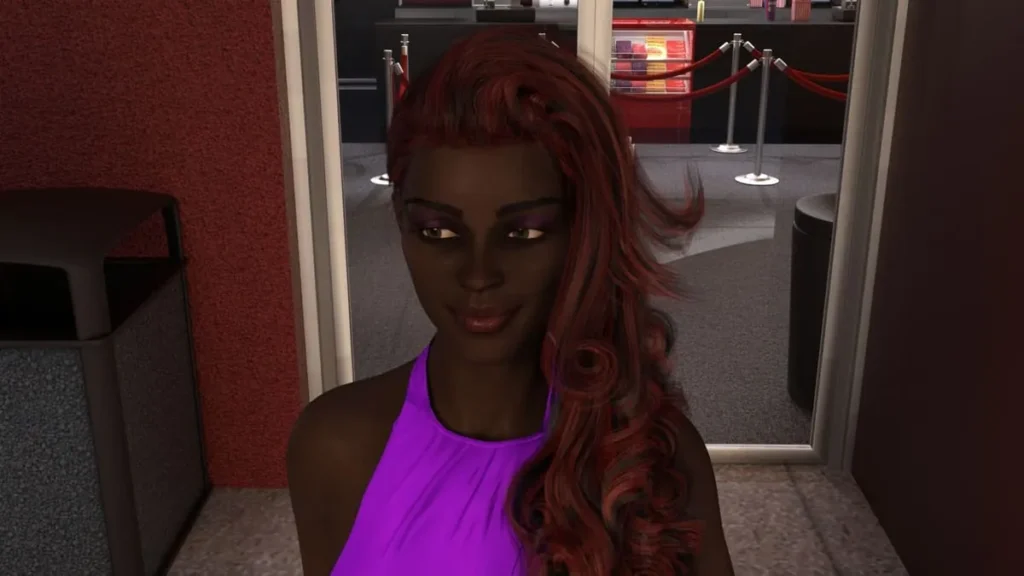





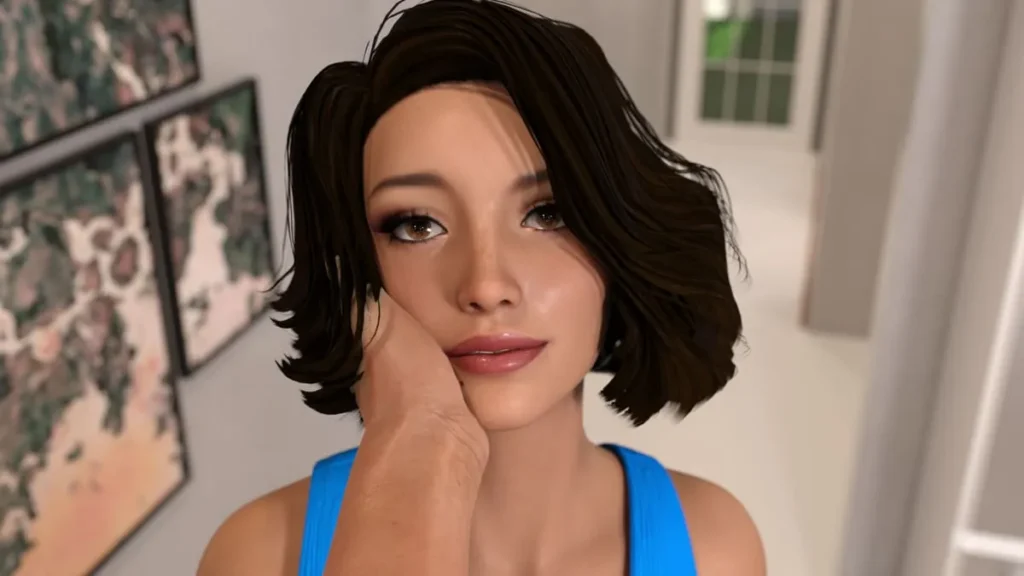

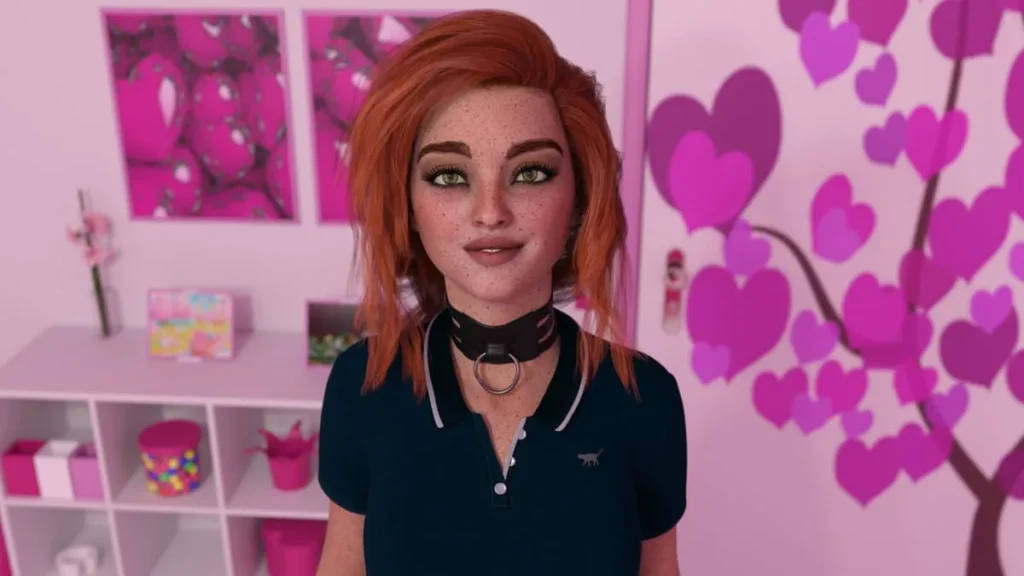

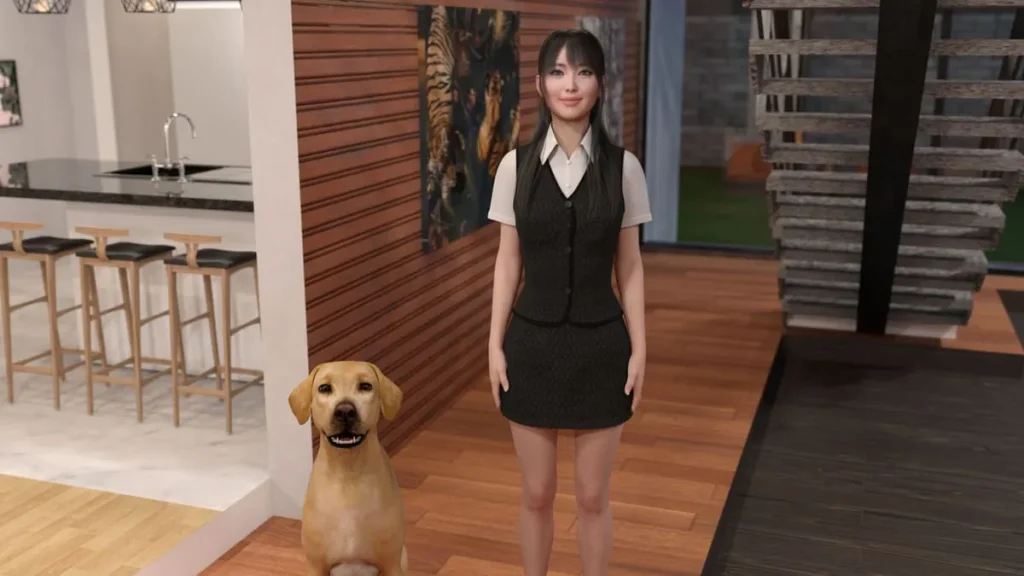



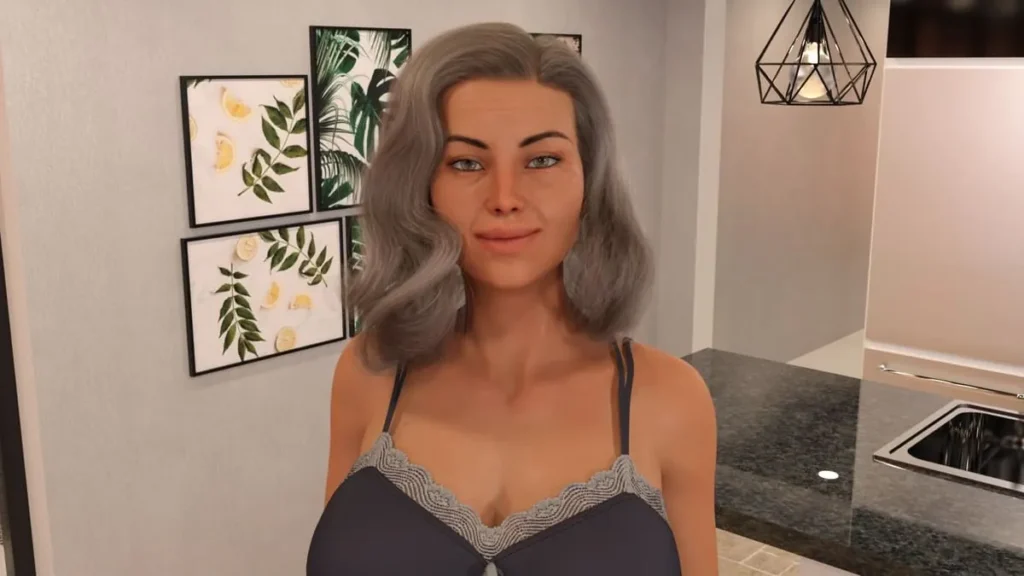

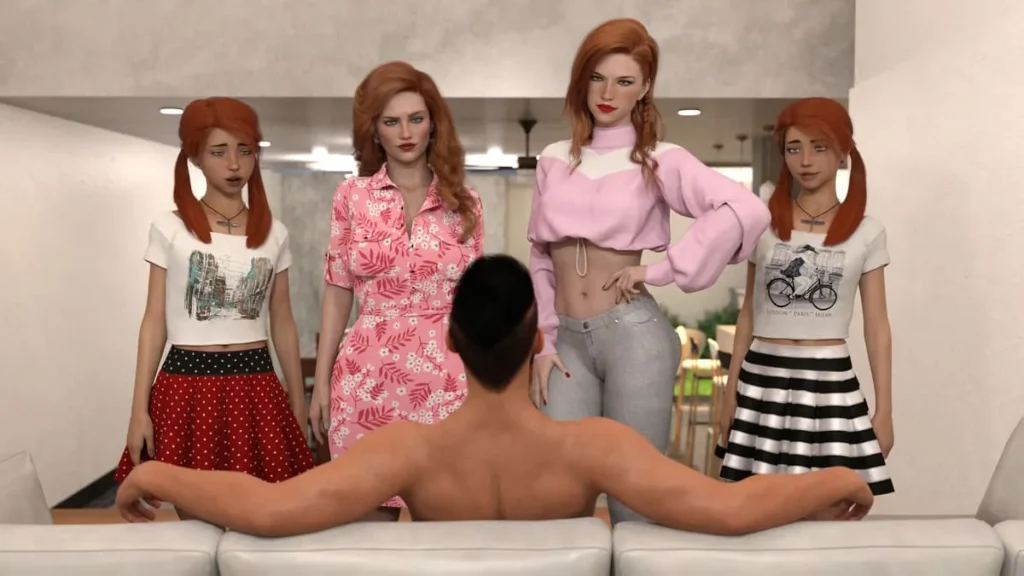

Grandma’s House review
Master character relationships, story paths, and gameplay mechanics in this narrative-driven adult visual novel
Grandma’s House stands out as a narrative-driven visual novel that prioritizes character development and meaningful player choices over rushed content. Unlike many games in its genre, this title takes a deliberate approach to relationship building, allowing characters like Polly and Allie to develop naturally over time. Players appreciate the depth of storytelling, where decisions genuinely impact outcomes and character arcs feel authentic rather than forced. Whether you’re exploring multiple relationship paths or seeking to understand the game’s intricate choice system, this guide covers everything you need to maximize your experience and navigate the game’s branching narratives effectively.
Understanding Grandma’s House: Game Overview & Core Mechanics
Let’s be honest: you’ve probably downloaded an adult visual novel before, only to find the “story” is just a flimsy excuse to get from one scene to the next. The characters feel like cardboard cutouts, and your choices don’t seem to matter at all. You click, you get a reward, and you feel… well, kind of empty. I know I have. 🙄
That’s exactly why Grandma’s House feels like a revelation. It’s the game that made me remember why I fell in love with narrative-driven games in the first place. Forget what you think you know about this genre. Grandma’s House game isn’t about cheap thrills; it’s about crafting a rich, believable world where your decisions carry genuine emotional weight and lasting consequences.
This guide is your key to understanding that depth. We’re going to peel back the layers of its brilliant visual novel gameplay mechanics, explore the delicate dance of character relationship progression, and see how your agency truly shapes the story. Ready to see what makes this game so special? Let’s dive in. ✨
What Makes This Game Unique in the Visual Novel Genre
So, what’s the big deal? On the surface, Grandma’s House might share a basic premise with other games: you interact with a cast of characters during a summer stay. But the devil—and the genius—is in the details. This game flips the typical script entirely.
Most adult visual novels operate on a simple transaction system: be nice, get points, unlock content. Grandma’s House throws that playbook out the window. Here, relationships are messy, organic, and don’t follow a predetermined checklist. The game’s core philosophy is authenticity. Characters have their own lives, moods, and histories that don’t revolve around you. Some might be receptive to your advances quickly, while others require patience, respect, and consistent effort to even begin to open up.
The game’s unique approach is built on several key features:
- Meaning Over Mechanics: Intimate moments are treated as narrative payoffs, not transactional rewards. They occur only when the story and relationship logically support it.
- Autonomous Characters: Characters interact with each other independently. You might walk in on a conversation between two other characters, affecting your standing with both.
- Permanent Consequences: Your choices can permanently close doors. Offend someone deeply enough, and that relationship path may be sealed shut for the entire playthrough.
- A Living Schedule: Characters have their own daily routines. Want to talk to someone? You’ll need to find them when they’re available, not just click their name on a static menu.
This creates an unparalleled sense of player agency in visual novels. You’re not following a path; you’re carving your own through a living forest, and every branch you choose to step on—or break—changes the journey.
Character Development Philosophy and Relationship Progression
This is where Grandma’s House truly shines. The character relationship progression system is its masterpiece. Think of it not as filling a meter, but as slowly building a fragile bridge of trust. Each character has a unique personality, past traumas, and current desires that dictate how they respond to you.
Take Polly, for instance. 🦋 In my first playthrough, I treated her like characters in other games—lots of compliments and focused attention. It backfired spectacularly. She became distant and wary. Why? Because Polly’s character is written with a need for genuine, platonic friendship and emotional safety before anything else can be considered. The game doesn’t tell you this outright; you have to listen, observe her reactions, and adjust. Building character trust with her means sharing quieter moments, respecting her space, and proving you value her as a person, not just an objective.
This character trust system is applied uniquely to everyone. Compare Polly to someone like Sandra or Karen. Sandra’s more confident and direct personality might allow for a different, faster-paced dynamic. Karen, with her mature and complex life situation, requires a different kind of sensitivity and timing. The game masterfully uses variables like:
- Interaction Frequency: Bombarding someone with attention can be as damaging as ignoring them.
- Dialogue Choices: Selecting supportive, empathetic, or playful responses at the right time.
- “Submission” & Dynamic: Some relationships explore power dynamics, but these are narrative choices that affect the tone and direction of the relationship, not a simple stat to max out.
The result is that no two relationships feel the same. You learn to “read” each character, making every successful connection feel earned and deeply satisfying. It’s choice-based storytelling applied to human connection.
To give you a clearer picture of the diverse cast and what makes them tick, here’s a breakdown:
| Character | Core Relationship Theme | Key to Progression | Pitfalls to Avoid |
|---|---|---|---|
| Polly | Building Trust & Safe Friendship | Patience, genuine platonic bonding, emotional support | Being overly flirtatious too early; ignoring her need for space |
| Veena | Confident & Playful Connection | Matching her energy, engaging in witty banter, shared activities | Being too passive or shy; missing her cues for deeper conversation |
| Sandra | Direct & Passionate Dynamics | Clear communication, confidence, appreciating her strength | Indecisiveness; being overly timid or disrespectful of her time |
| Karen | Complex, Mature Emotional Bonds | Respect, patience with her responsibilities, meaningful conversation | Treating her situation lightly; pushing for intimacy without emotional foundation |
How Player Choices Shape Story Outcomes
Welcome to the heart of the machine: the branching narrative paths. In Grandma’s House, your choices aren’t illusions; they are the architects of your story. This isn’t a “choice A leads to scene B” setup. It’s a complex web of cause and effect where a seemingly minor decision in Day 2 can dramatically alter who is even available to talk to you by Day 10.
The game’s visual novel gameplay mechanics are designed to make you feel the weight of every interaction. Let me share a case study from my own gameplay:
In one playthrough, I decided to play a more mischievous character. Early on, I snooped through a character’s private belongings and was caught. I thought, “No big deal, I’ll just apologize later.” But the game remembered. That character not only became cold and distrustful, but they also warned other characters about me. Suddenly, multiple character relationship progression paths became much harder to access. I had to spend days rebuilding my reputation. A single foolish choice had reshaped my entire social landscape.
That’s the power of player agency in visual novels done right. Your choices influence:
- Character Availability: Upset someone? They might avoid you or leave gatherings early when you’re present.
- Story Beats: Entire scenes, conversations, and events are locked or unlocked based on your standing with the cast.
- Ending Variants: The culmination of your summer is directly determined by the tapestry of relationships you’ve woven (or frayed).
The choice-based storytelling is also reflected in smaller, cumulative decisions. Your consistent attitude (kind, arrogant, playful), how you handle conflicts between other characters, and even how often you initiate contact all feed into an invisible ledger the game keeps. There’s no “perfect” walkthrough because the perfect story is the one you create through your unique combination of decisions.
This emphasis on meaningful consequence is why Grandma’s House has earned such a stellar reputation. It proves that a narrative can be both mature in content and sophisticated in its execution. You’re not just a passenger clicking through a story; you are the author, for better or worse. Every “yes,” every “no,” and every moment of silence writes a line in your unique chapter of this unforgettable summer. 📖
Grandma’s House represents a thoughtful approach to narrative-driven gaming that rewards patience and careful decision-making. By understanding the game’s philosophy of authentic character development, recognizing how your choices ripple through the story, and strategically managing multiple relationship paths, you can fully appreciate what makes this title stand out. The game’s deliberate pacing might initially frustrate players accustomed to instant gratification, but it ultimately creates more meaningful character arcs and memorable experiences. Whether you’re experiencing your first playthrough or optimizing for specific character routes, approaching the game with an understanding of its mechanics and design philosophy will significantly enhance your enjoyment and investment in these characters’ stories.