Hero Party Must Fall
Play Hero Party Must Fall
Hero Party Must Fall Screenshots
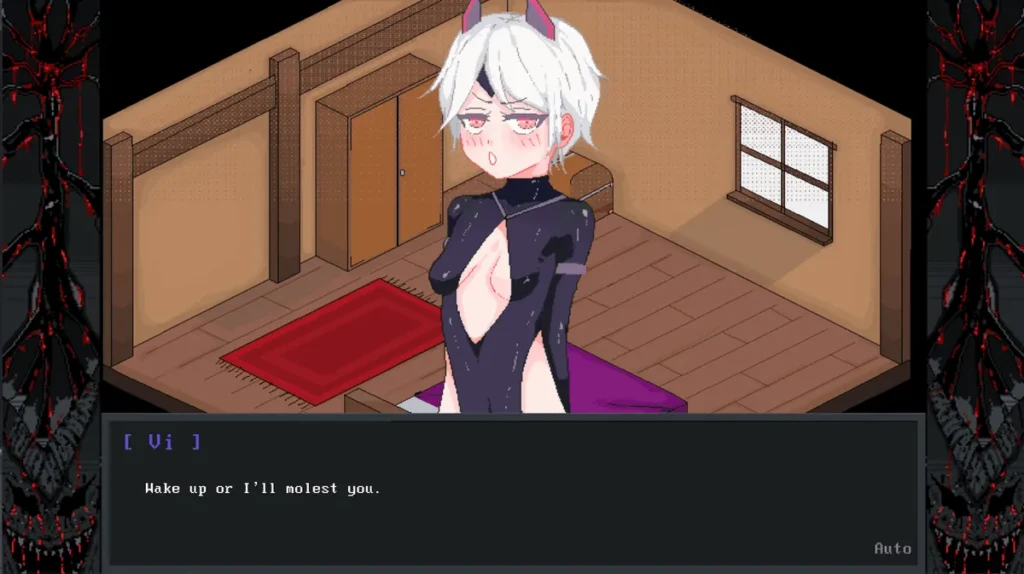
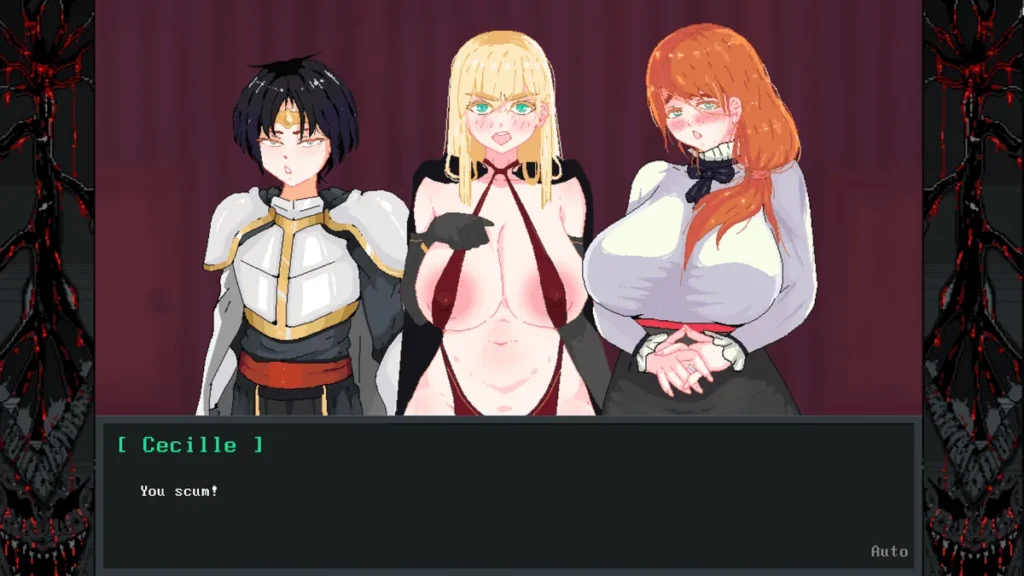

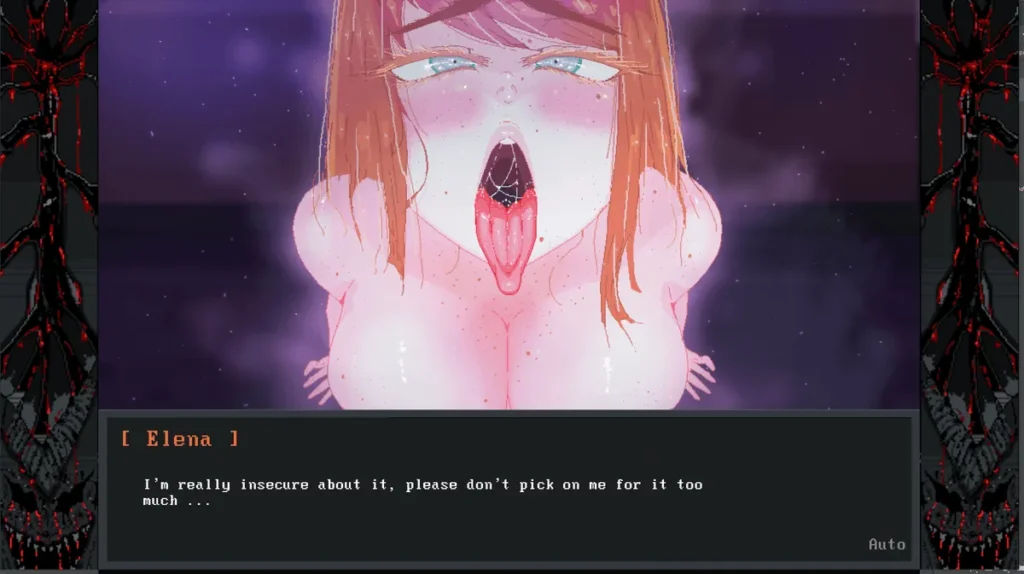
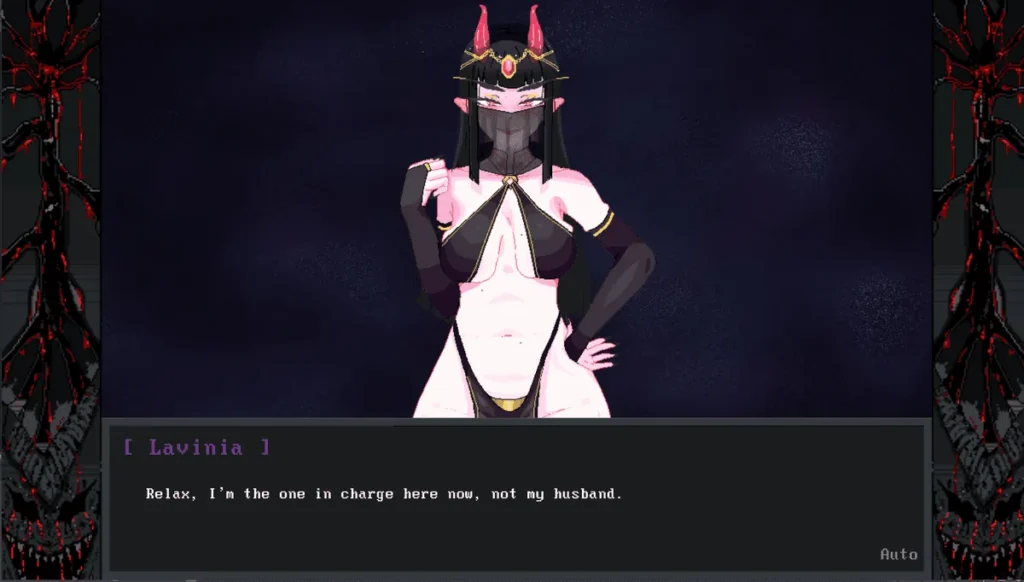
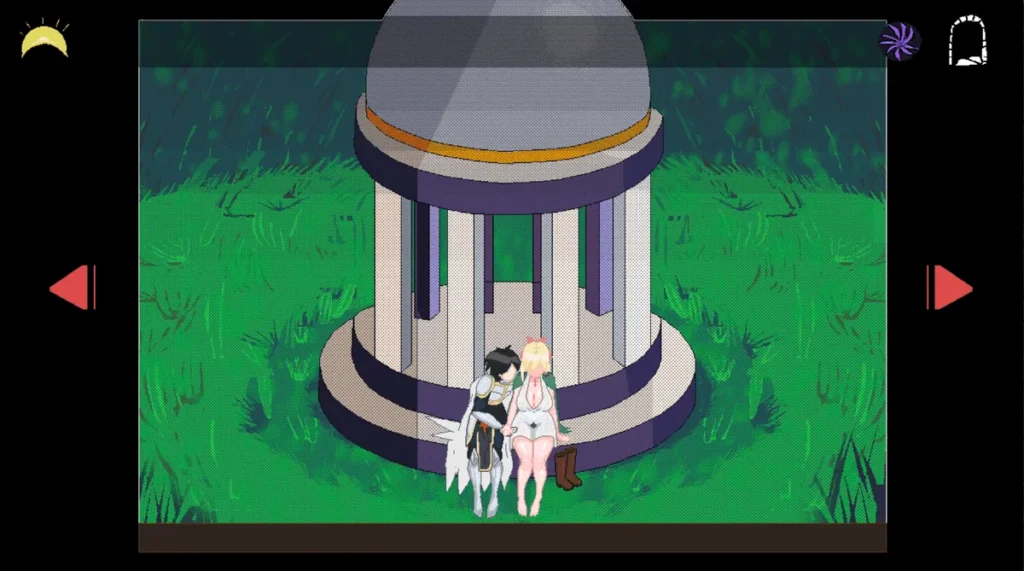
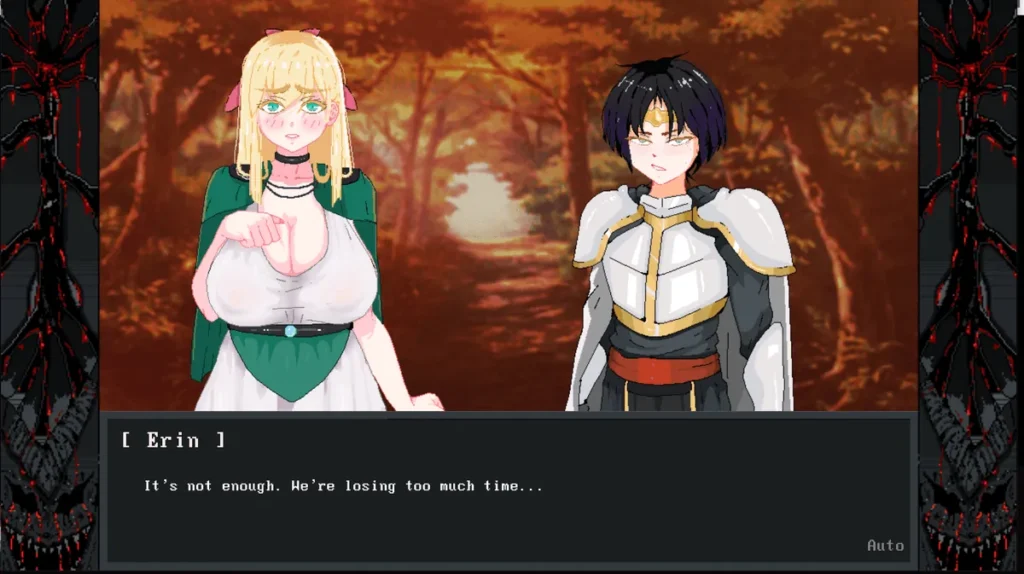
Hero Party Must Fall review
Explore the unique mechanics and gameplay of this indie strategy adventure
Hero Party Must Fall is an indie strategy adventure game that flips traditional RPG conventions on their head. Instead of controlling the heroic party directly, players take on the role of a character who can sabotage, manipulate, and undermine the adventuring group’s efforts. The game combines strategic decision-making with narrative elements, offering players unique ways to interact with the party members and influence outcomes. Whether you’re interested in unconventional gameplay mechanics, character-driven storytelling, or experimental indie titles, this game delivers a fresh perspective on the adventure genre.
Core Gameplay Mechanics and Systems
Ever feel like you’re just along for the ride in a typical fantasy game? 😒 You know the drill: the chosen hero gathers their party, you dutifully manage their inventory, and you send them off to save the world, hoping for the best. It can feel a bit… passive. What if you could be the architect of their fate, for better or worse? Welcome to the twisted, brilliant core of Hero Party Must Fall gameplay mechanics.
This isn’t your standard party management strategy game. Here, you’re not just a loyal quartermaster; you’re the unseen hand guiding—or gutting—the party of heroes from the shadows. The entire experience is built on a deliciously devious paradox: your success is tied directly to their potential failure. It’s a masterclass in decision-making gameplay, where every choice to help or hinder sends ripples through a living world of characters and consequences. Let’s pull back the curtain on the systems that make this indie adventure game mechanics so uniquely compelling.
How Sabotage and Manipulation Work
At the heart of Hero Party Must Fall lies its most defining feature: the sabotage mechanics indie game fans have been craving. Think of yourself as a dungeon master with a mischievous streak. Your toolset isn’t just swords and potions; it’s misinformation, faulty equipment, and well-timed “accidents.”
The core loop is deceptively simple. You equip the hero party for their expedition. You then watch their journey unfold through a narrative log. But here’s the twist: at critical junctures, you get to intervene. These aren’t just “choose A or B” prompts; they are strategic openings. You might:
* “Accidentally” include a cursed charm that sows discord among the party members.
* Provide a flawed map that leads them into an ambush.
* Withhold crucial information about a monster’s weakness.
* Or, conversely, slip them a genuine healing potion to help them survive a brutal fight.
I remember one early dungeon, the “Caves of Whispering Moss.” The party’s paladin, Corrick, was a moralistic blowhard who constantly argued with the rogue, Lyss. They faced a rickety bridge over a chasm. The game presented me with a choice: subtly reinforce the bridge’s weak point or discreetly saw it halfway through. Letting them pass safely would build trust between them, strengthening the party. But I chose the saw. 😈 The bridge held long enough for Corrick to cross, but collapsed under Lyss. The resulting log was a masterpiece of guilt and blame, permanently fracturing their relationship and making future cooperation nearly impossible. It was a brutal, brilliant moment that showcased the power of these indie adventure game mechanics.
This is the essence of the sabotage mechanics indie game design. You’re not just causing a game-over screen. You’re orchestrating narrative consequences. A failed expedition doesn’t mean reloading a save; it means collecting the remains and crafting a new story from the pieces. It’s a dark, strategic ballet that turns traditional party management strategy game concepts on their head.
Resource Management and Reward Systems
This brings us to the game’s ingenious risk vs. reward economy, a central pillar of Hero Party Must Fall gameplay mechanics. Every decision you make is weighed against two possible resource streams: the rewards of success or the… materials of failure.
When you let the party succeed—when you equip them properly and make choices that aid them—you are rewarded conventionally. They return triumphant, laden with gold, intact equipment, and reputation. This is the “safe” path. You use these resources to upgrade your camp, purchase better starting gear for future parties, and unlock new areas of the world map. It’s a solid, steady growth strategy.
But the real strategic depth, and the key to the game’s resource gathering and rewards system, comes from the alternative path. If an expedition fails—whether by your hand or the cruel dice of fate—you don’t get the hero’s glory. You get the spoils of the grave. A retrieval team brings back what’s left: broken equipment, monster parts, cursed artifacts, and the personal effects of the fallen. These “materials” are often rarer and more powerful than what success provides.
Pro Tip: A failed expedition with a heavily armed party can yield more valuable scrap than a successful run with a poorly equipped one. Sometimes, sending them in with shiny new gear is less an investment in their survival and more an investment in your future salvage operation. 💀
This creates an intoxicating strategic dilemma. Do you need that pristine set of Mithril Armor to sell for gold? Or would you rather they die wearing it, so you can melt it down into Mithril Ingots, a precious material needed for crafting ultra-rare gear yourself? The game masterfully balances this tension, making every provisioning decision a potential long-term play.
To visualize this core strategic dichotomy, let’s break it down:
| Expedition Outcome | Primary Rewards | Key Consequences | Strategic Implication |
|---|---|---|---|
| Successful Completion 🏆 | Gold, Reputation, Intact Gear, Unlocked Story Progression | Party bonds strengthen, making them more resilient but also more united (and harder to manipulate). World threat level may decrease. | Ideal for stable growth, funding your operations, and seeing the world’s story. The “legitimate” business model. |
| Failed Expedition 💀 | Precious Materials (Monster Parts, Soul Shards), Broken Gear (for scrap), Personal Effects, Lore Items | Party relationships may shatter in blame. New, distressed recruits may become available. World threat can fester or change. | Essential for crafting top-tier artifacts, pursuing specific character-driven plots, and gathering resources unavailable any other way. The “shadow” economy. |
This system ensures there is no “wasted” run. Every outcome, glorious or grim, feeds back into your progression, making Hero Party Must Fall gameplay mechanics incredibly replayable and strategically rich.
Character Interaction and Relationship Dynamics
All of these strategic decisions would feel hollow if the party were just a collection of stats. This is where the game’s brilliant character relationship system elevates it from a clever strategy title to a memorable narrative experience. The heroes in your care are not pawns; they are people with friendships, rivalries, fears, and desires.
Each character has a dynamic relationship meter with every other party member. These aren’t just “+5 Friendship” bonuses. They are living dynamics that directly affect everything. A pair of characters who trust each other might cover one another’s flaws in battle, share resources freely, or refuse to believe your attempts to turn them against each other. A pair locked in a bitter rivalry, however, might disobey orders, sabotage each other’s efforts, or even come to blows mid-quest.
Your role is to navigate—and manipulate—this social web. The character relationship system is your most subtle sabotage tool. Maybe you “gift” a valuable trinket to one character but frame it as a theft from another. Perhaps you assign a perilous scouting task to a character you know their rival is secretly protective of. I once turned the party’s idealistic healer against their leader by having the leader “order” the sacrifice of a wounded civilian (a choice I fabricated through selective reporting). The resulting schism was more devastating than any monster.
This feeds directly into the decision-making gameplay. Your choices are never just about resources; they’re about psychology. Are you strengthening the party’s bond to make them a more efficient tool for gathering legendary loot from a late-game dungeon? Or are you carefully straining their relationships, setting the stage for a catastrophic betrayal that will deliver a specific, coveted character’s soul-shard into your hands when they finally snap?
Managing this party management strategy game aspect is a constant, engaging puzzle. You’re reading their bios, listening to their campfire dialogues, and predicting how they’ll react to the scenarios you engineer. It turns every expedition into a personalized story, where the real adventure isn’t just in the dungeon, but in the fragile web of human connections you’re constantly tugging on.
Ultimately, the genius of Hero Party Must Fall is in its unification of these systems. The sabotage mechanics indie game premise drives the resource gathering and rewards. Those resources empower your strategies within the deep character relationship system. And every choice within that system defines the decision-making gameplay that is the soul of the experience. It’s a dark, clever, and endlessly engaging cycle that redefines what an indie adventure game mechanics can be. You stop being a player following a story, and start being the author of a tragedy, a comedy, or most often, a thrilling mix of both. Your party awaits your guidance… will you lift them up, or engineer their glorious fall? The power, and the profound fun, is entirely yours.
Hero Party Must Fall stands out as a creative indie title that challenges traditional RPG storytelling and gameplay conventions. By placing players in a position of influence over the hero party rather than controlling them directly, the game creates a unique strategic experience that rewards creative thinking and experimentation. The combination of resource management, character relationships, and narrative-driven events provides depth that appeals to players seeking something different from mainstream adventure games. As the game continues development, the community remains engaged and enthusiastic about its potential. Whether you’re drawn to unconventional mechanics, character-focused narratives, or indie gaming innovation, Hero Party Must Fall offers a compelling experience worth exploring.