On Distant Shores
Play On Distant Shores
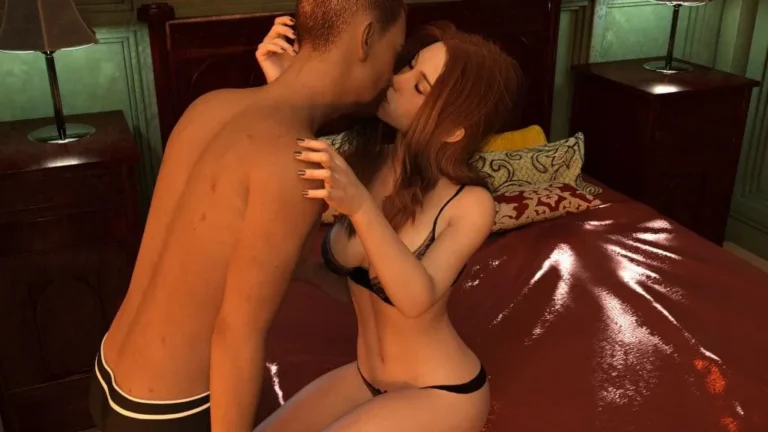
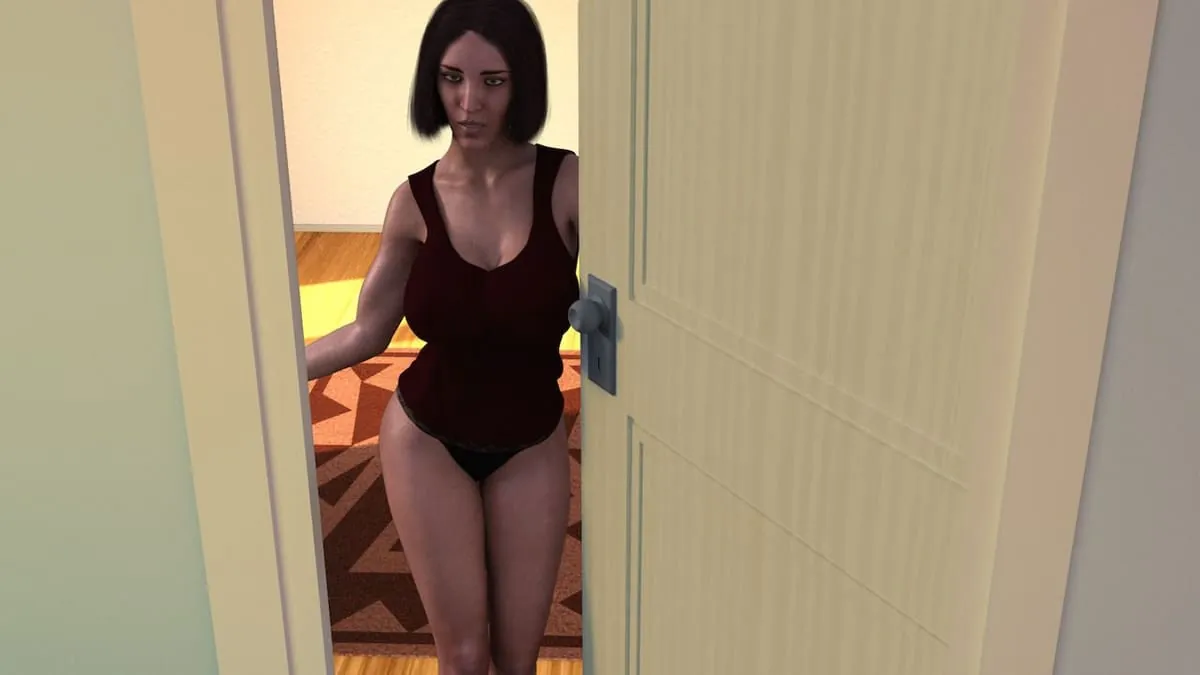
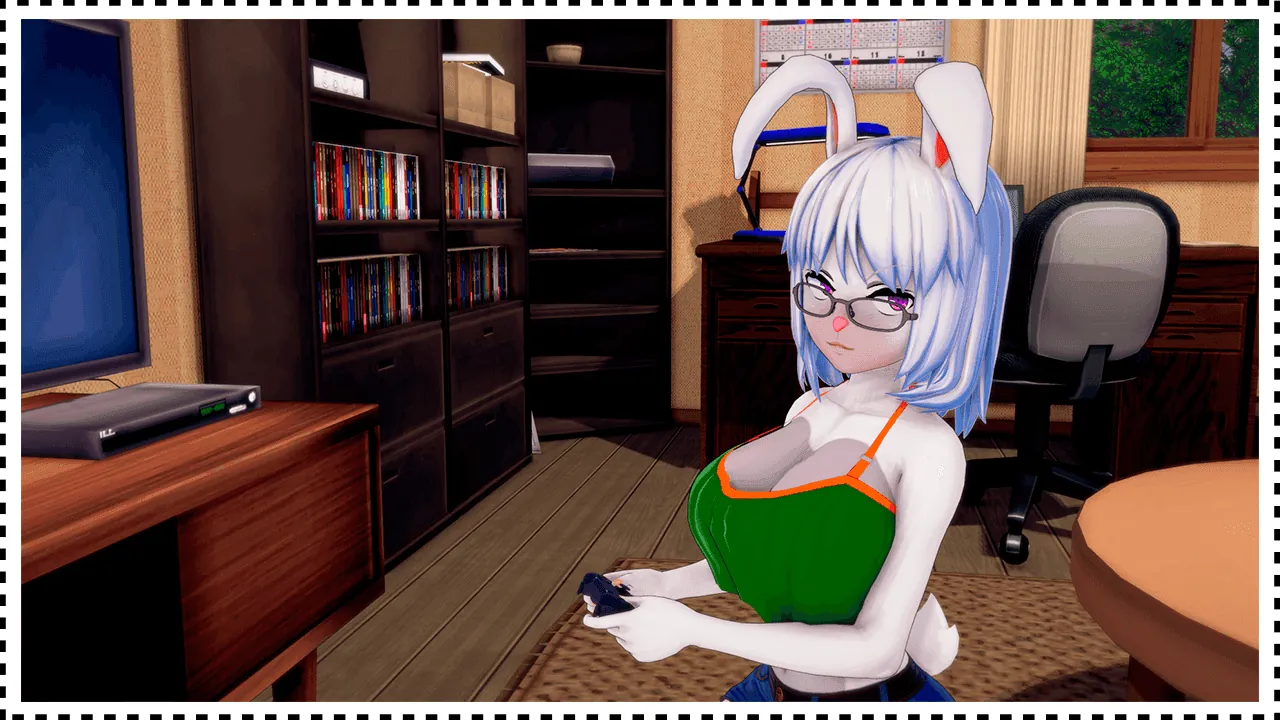
On Distant Shores Screenshots


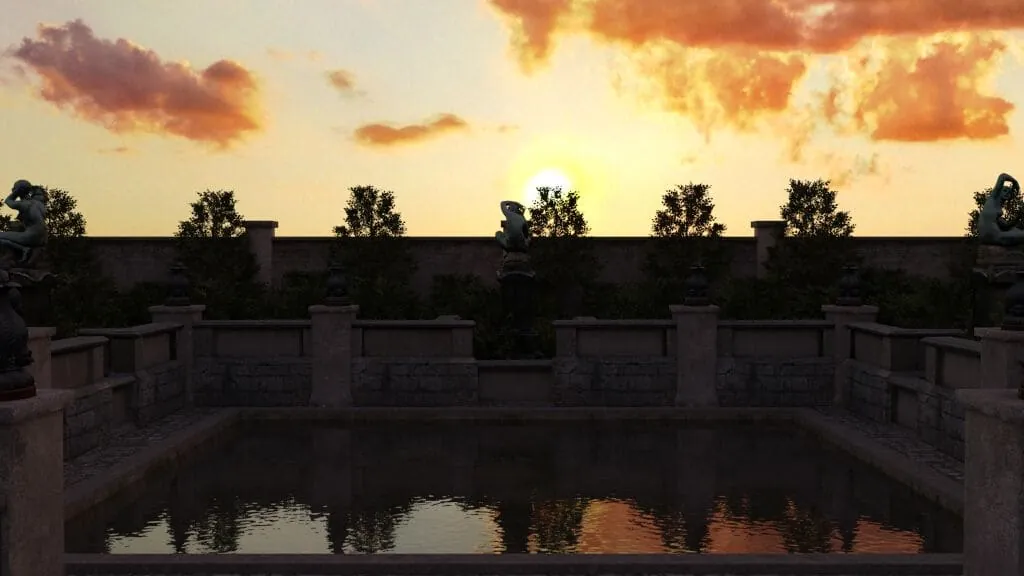


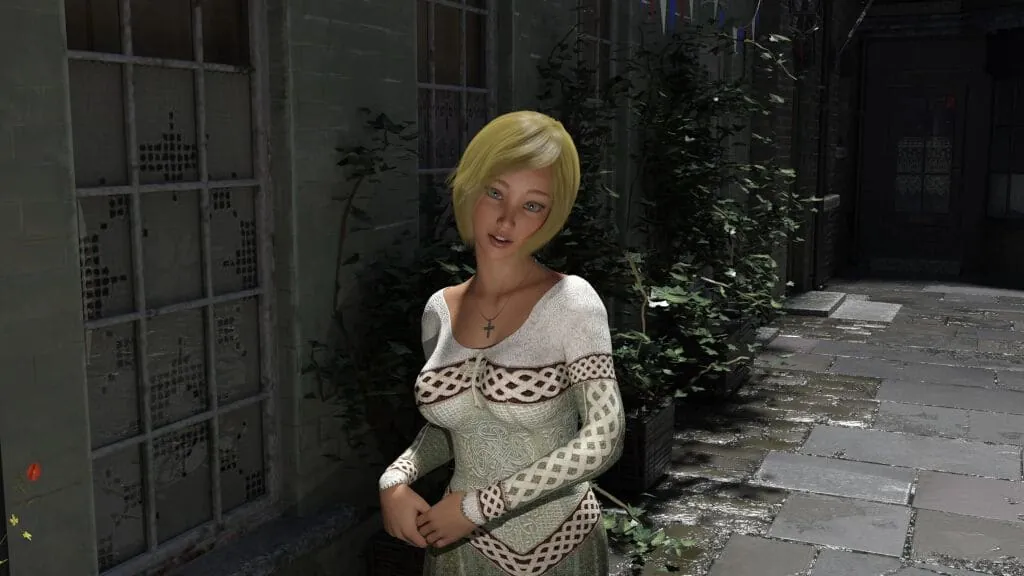
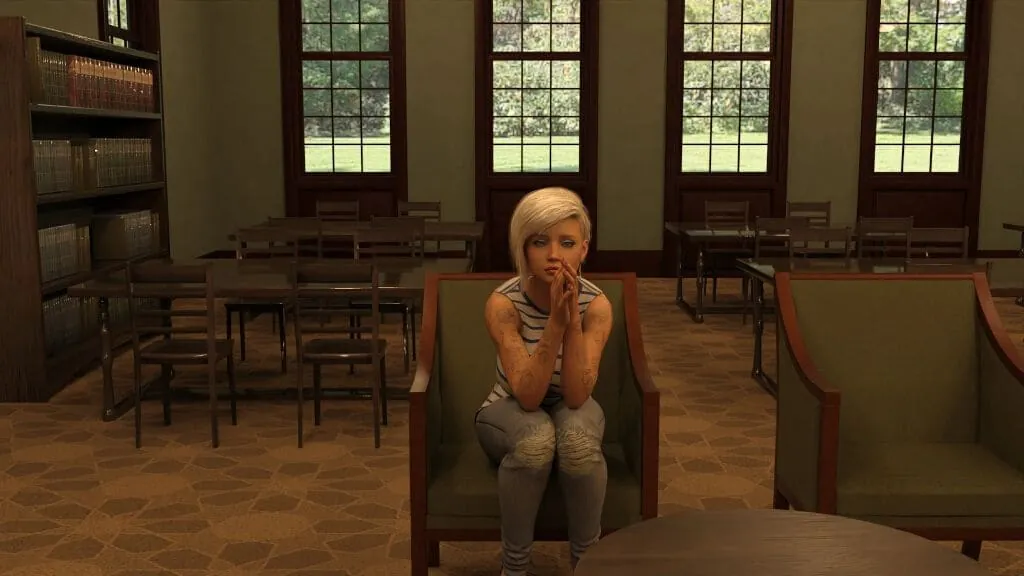

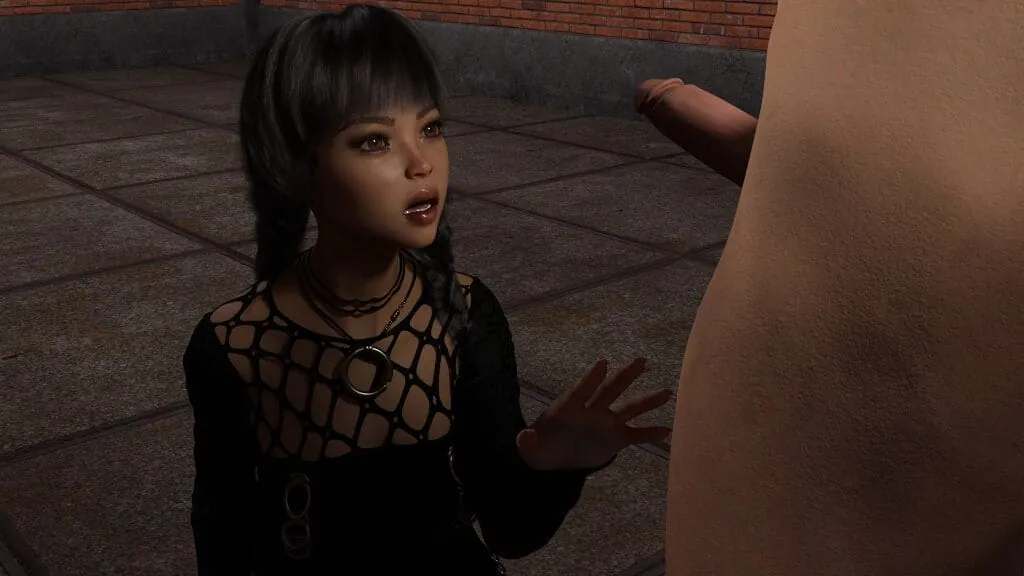

On Distant Shores review
Explore gameplay mechanics, storyline, and features of this unique adult adventure title
On Distant Shores stands out as a distinctive entry in the adult gaming landscape, offering players a blend of narrative-driven gameplay and interactive storytelling. This guide explores the core aspects of the game, providing insights into its world, characters, and mechanics that make it worth experiencing. Whether you’re curious about the gameplay systems, character interactions, or overall design philosophy, this comprehensive overview covers everything you need to know about what makes On Distant Shores a memorable gaming experience.
Understanding On Distant Shores: Gameplay Mechanics and Core Systems
Ever find yourself playing a story-driven game and feeling like your input doesn’t really matter? 😤 Like you’re just clicking through to watch a movie someone else made? I’ve been there. That’s why diving into On Distant Shores was such a breath of fresh air. This isn’t just a visual novel you passively observe; it’s a world you actively shape with every decision. The entire experience is built on a foundation of clever, responsive On Distant Shores gameplay mechanics that put you firmly in the driver’s seat of your own tropical adventure. 🏝️
At its heart, the game is an elegant dance between a grand, overarching tale and your personal, intimate journey within it. You play as a young man seeking a fresh start on a remote island, taking on a job at the local convenience store. But this is just the backdrop. The real magic lies in how you connect with the island’s inhabitants—like the enigmatic Konami, the cheerful Nono, or the reserved Shizuku—and how those connections blossom (or wither) based solely on your choices.
So, let’s pull back the curtain and explore the systems that make this adventure tick. Understanding these isn’t just for experts; it’s your key to unlocking the most rewarding playthroughs. 🔑
How the Interactive Storytelling System Works
Forget static stories. The engine of On Distant Shores is its dynamic interactive storytelling system. Think of it as a living, breathing narrative organism that reacts to your presence. Instead of following a single, rigid path, the story branches and twists based on a web of your decisions, both big and small. This system is what transforms a simple tale into your story.
This narrative progression in adult games often falls into a trap: being all about intimate scenes and little else. On Distant Shores flips that script. Here, the intimate moments are narrative payoffs, the result of built-up trust, shared experiences, and meaningful choices. The interactive storytelling system ensures that every conversation at the store, every favor done, and every moment of support directly feeds into the depth of your relationships. It’s about earning those connections, not just triggering them.
The beauty of this system is in its subtlety. It’s not always about life-or-death decisions. Sometimes, it’s choosing to help Konami organize a shelf instead of rushing off, or listening to Nono’s latest idea with genuine interest. These moments are logged, influencing character attitudes and opening up future dialogue options and story threads that would otherwise remain locked. It creates a powerful sense that your attention matters.
Pro Tip: Don’t rush through conversations! The interactive storytelling system often hides pivotal choices in seemingly casual chat. Your attitude and focus directly shape how characters perceive you.
To give you a clearer picture, here’s a breakdown of the key interactive elements you’ll engage with:
| Mechanic | How It Works | Impact on Story |
|---|---|---|
| Dialogue Choices | Multiple responses during conversations, ranging from flirty to friendly to practical. | Determines character affinity, unlocks unique scenes, and steers the tone of the relationship. |
| Activity Selection | Choosing how to spend your time after work (e.g., visit the beach, explore town, rest). | Leads to chance encounters with specific characters, triggering their personal story events. |
| Job Performance | Completing tasks at the convenience store efficiently. | Affects your income (for buying gifts) and can influence how reliable characters think you are. |
| Relationship Investment | Consistently choosing to spend time with and support one character over others. | Deepens that specific storyline, leading to more complex narrative branches and conclusions. |
This framework means your first playthrough will be uniquely yours. Maybe you bonded with Shizuku over shared quiet moments, leading to a tender, slow-burn storyline. On a replay, you might chase a more adventurous path with Nono. This is the core appeal of its narrative progression in adult games—it values emotional investment as much as any other outcome. ❤️
Character Placement and Visual Presentation
Now, let’s talk about how this world is presented to you. On Distant Shores employs a distinctive character placement system that does more than just look pretty—it actively enhances storytelling and spatial awareness. This isn’t your typical static character portrait slapped onto a background.
Here’s how it works: characters are rendered and placed in the scene relative to your protagonist’s viewpoint. If someone is meant to be standing close to you, they appear larger and more detailed. If they’re across the room or down the beach, they are visually scaled down. This might sound like a simple artistic choice, but it’s a game-changer for immersion. 👁️
This character placement system creates a tangible sense of space. When Konami leans in to tell you a secret at the counter, the visual shift makes the moment feel intimate. When you see Nono waving from far down the shoreline, it actually feels like distance. This scaling subtly clues you into the emotional and physical dynamics of a scene before a single word of dialogue is read.
The system also plays into the game’s exploration. As you move through different locations, characters appear in logical places. Finding them feels like a natural part of exploring the island, not just a menu selection. This visual approach supports the interactive storytelling system by making the world feel cohesive and alive. Your choices about where to go are mirrored by a visual representation of who you’ll find there and how they relate to your personal space.
Decision Points and Plot Branching
This is where the rubber meets the road. All the interactive systems lead to these crucial junctures: the decision points and plot branching. These are the moments where the game pauses, the music swells, and you’re presented with a choice that will meaningfully alter the course of events. 🚦
These decision points are strategically placed throughout the story, often at the climax of a character’s personal arc or during a major island event. They are rarely black-and-white “good vs. evil” choices. Instead, they reflect realistic dilemmas: Do you confront a character about a painful past or offer silent support? Do you pursue a romantic opportunity or prioritize a fragile friendship? The weight of these choices is palpable because the game has spent hours making you care about the people involved.
The resulting plot branching is both extensive and elegant. Think of the story not as a tree with a few big branches, but as a sprawling bush with many intertwining pathways. A major choice might open up an entirely new storyline with one character, while gently closing off a subplot with another. This is where we see the brilliant player choice consequences in action.
Your decisions don’t just lead to different endings; they craft entirely different middle sections of the game. Choosing to side with one character during a conflict might make another distant for several in-game days, changing available activities and dialogues. The player choice consequences are often delayed, echoing back to you hours later in a surprising and emotionally resonant way.
Personal Insight: On my second playthrough, I made a different choice during a tense moment with Konami. I expected a short-term argument. Instead, it completely changed her storyline’s focus for the next several chapters, revealing sides of her character I never saw the first time. It was a masterclass in meaningful plot branching.
This brings us to the game’s sophisticated semi-predetermined plot structure. How does it balance your freedom with a coherent story? The island’s major events—a festival, a storm, a community gathering—are fixed. They happen on a schedule, providing a stable framework for the narrative. Think of these as the “bones” of the story.
Your agency lies in the “flesh and blood”—the personal storylines. How you experience that festival, who you help prepare for the storm, and what personal revelations occur during the gathering are entirely up to you. This semi-predetermined plot structure is genius. It ensures a satisfying, complete narrative arc for the setting itself, while giving you total control over the deeply personal journeys within it. It’s the reason the game feels both expansive and intimate.
This structure is also the secret to its high replayability. You can play three times and see three dramatically different personal journeys, all while witnessing the same beautiful island milestones from new emotional perspectives. The semi-predetermined plot structure means you’re never lost, but you’re always surprised by the personal path you’ve carved.
Ultimately, the On Distant Shores gameplay mechanics form a harmonious ecosystem. The interactive storytelling system feeds the decision points, which create plot branching, all visualized through an immersive character placement system. Your actions create real player choice consequences within a clever semi-predetermined plot structure, elevating the entire experience of narrative progression in adult games.
It’s a game that respects your intelligence and rewards your emotional investment. By understanding these core systems, you’re not just playing a game—you’re learning to navigate the heart of a story, making choices that will linger with you long after you’ve left its distant shores. ✨
On Distant Shores delivers a unique gaming experience that combines interactive storytelling with meaningful character development. The game’s semi-predetermined narrative structure allows for both consistency in major plot points and flexibility in personal storylines, giving players genuine agency in shaping their experience. Through its character placement system, decision-based gameplay, and focus on relationship building, the game creates an engaging world where player choices matter. Whether you’re drawn to narrative-driven games, character-focused experiences, or interactive fiction, On Distant Shores offers a distinctive adventure worth exploring. Start your journey today and discover how your choices shape the story of Chris and the characters he meets in this post-apocalyptic world.