Short Sad Stories
Play Short Sad Stories
Short Sad Stories Screenshots


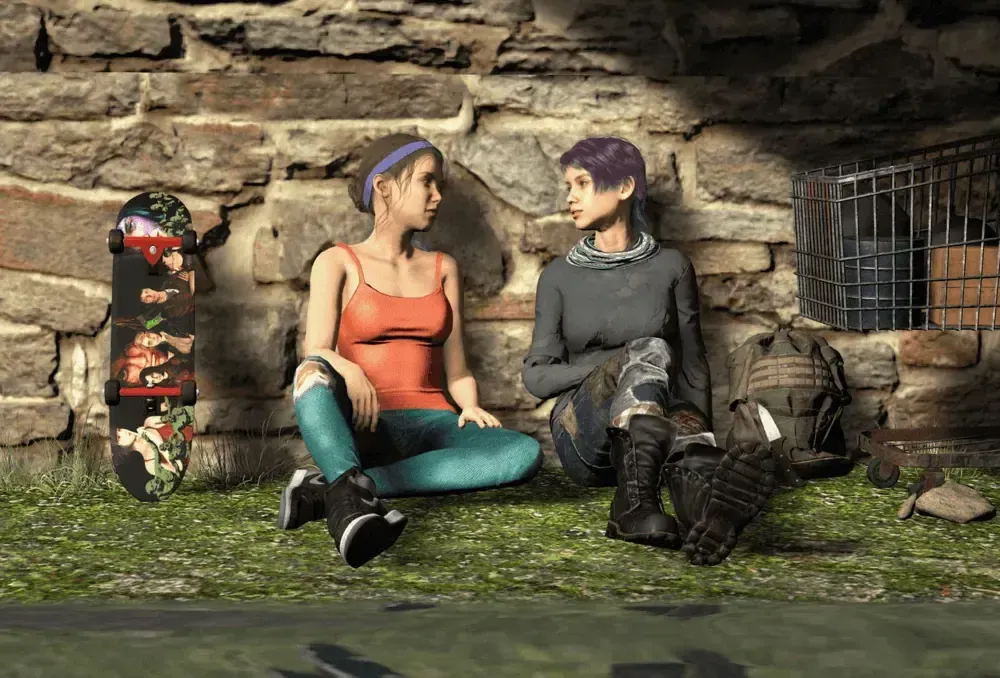
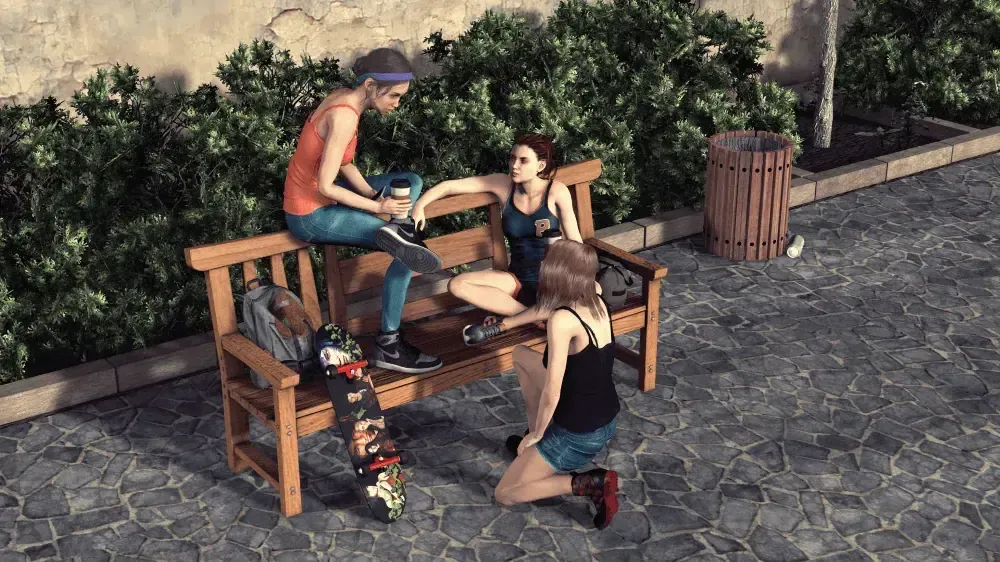
Short Sad Stories review
Exploring the Depths of Narrative and Player Choice in Short Sad Stories
Short Sad Stories is a unique interactive game that combines poignant storytelling with meaningful player choices to deliver a deeply emotional experience. Unlike traditional games where winning is the goal, this game invites players to explore themes of loss, regret, and acceptance through immersive narrative arcs. If you’re looking for a game that challenges your emotions and offers a reflective journey, Short Sad Stories provides an unforgettable experience that redefines interactive storytelling.
Understanding Short Sad Stories: Gameplay and Narrative
Most games are about winning. You fight, you build, you solve, you conquer. But what if a game asked you to do something far more delicate? What if its goal wasn’t victory, but understanding? This is the profound space where the Short Sad Stories game lives. It’s less a traditional challenge and more an emotional expedition, using the language of play to explore themes of loss, memory, and human fragility. 🕯️
As a player, you don a different hat—not of a hero, but of a curator of feelings. The experience redefines what an interactive storytelling game can be, focusing on emotional resonance over mechanical skill. Let’s pull back the curtain on how this unique title weaves its poignant magic.
What Makes Short Sad Stories Unique? ✨
Forget epic quests and power fantasies. The uniqueness of the Short Sad Stories game lies in its brave, quiet focus. It’s an interactive sad story game that embraces melancholy not as a downer, but as a legitimate, powerful emotional landscape to explore. While many games use sadness as a plot point, this title makes it the entire environment you breathe.
I remember my first session. I was expecting prompts to “save” someone or “fix” a situation. Instead, I was gently guided to arrange objects in a quiet room, each item humming with unspoken history. The lack of a “win condition” was initially disorienting, then incredibly liberating. The goal shifted from “what do I do?” to “what does this mean?” This pivot is central to its design. It trusts you to sit with discomfort and find meaning in the quiet moments, building a game narrative experience that feels deeply personal and reflective, rather than authored for the masses.
Core Gameplay Mechanics and Player Interaction 🎮
So, how do you actually “play”? The emotional gameplay mechanics of Short Sad Stories are deceptively simple but emotionally complex. They are built on three core pillars:
- Curating Physical Spaces: Your primary interaction is often organizing a room, a desk, or a shelf. You pick up photographs, letters, and trinkets, placing them where they feel they “belong.” This isn’t just housekeeping; it’s archaeology. Each placement is a hypothesis about a relationship, a memory, a life.
- Making Meaningful Choices: Here’s where the player choice narrative truly diverges. Your choices rarely alter the inevitable conclusion of the story. You can’t prevent the sadness. Instead, they alter your understanding of it. Which letter do you read first? Which photo do you focus on? These decisions shape the emotional journey and the narrative connections you make, crafting a unique pathway to the same emotional destination.
- Exploring Memory Sequences: The game often transitions into fragmented, dream-like memories. Navigating these isn’t about reflexes; it’s about observation and atmosphere. You walk through a moment frozen in time, picking up on subtle details—a half-finished conversation, a look left unreturned—that build the story’s emotional core.
These mechanics work in concert to create a profound sense of agency, not over the plot, but over your own emotional and intellectual engagement with it.
| Story Arc Theme | Primary Gameplay Mechanic | Emotional Payoff |
|---|---|---|
| Loss of a Relationship | Sorting through shared belongings in a quiet apartment. | A bittersweet catharsis as you piece together what was, and what was lost. |
| Fading Memory | Arranging and re-arranging photos and mementos on a mantlepiece. | Empathetic frustration and tenderness towards the character’s experience. |
| Unspoken Regret | Choosing the order to read unsent letters or diary entries. | A deep, personal sense of melancholy and “what if.” |
How Narrative Shapes Emotional Engagement 💖
The narrative in Short Sad Stories isn’t told to you; it’s assembled by you. This active role is the engine of its emotional power. The game provides the fragments—the objects, the voiceovers, the environmental clues—but you become the archivist who decides their significance. This collaborative storytelling fosters an incredible sense of ownership over the resulting feelings.
This design is a masterclass in building empathy in games. Because you are doing the emotional labor of connection, the sadness you feel isn’t manipulative; it’s earned. You’re not just watching a character be sad; you are, through your actions of curation and choice, understanding why. I felt this acutely during a story about letting go. Finding a faded ticket stub and placing it in a box of “keep” versus “donate” wasn’t a gameplay checkbox. It was a moment of silent deliberation that made me reflect on my own attachments.
The game narrative experience culminates in a powerful acceptance. Since the outcomes are often inevitable, the journey becomes about preparation and comprehension, mirroring how we process real-life grief. You walk away not with a high score, but with a quiet, reflective weight—a mark of a story that has truly moved through you. The Short Sad Stories game proves that in the right hands, an interactive storytelling game can be one of the most mature and affecting forms of expression, where the ultimate reward is a deeper connection to the poignant beauty of human experience. 🌌
Short Sad Stories stands out as a powerful interactive experience that goes beyond traditional gaming by focusing on emotional storytelling and player empathy. Through its unique mechanics and narrative design, it invites players to engage deeply with themes of loss and regret, offering a reflective and moving journey. Whether you’re a fan of narrative-driven games or seeking a new emotional experience, Short Sad Stories is a game that resonates long after the playthrough ends. Dive in and experience the profound storytelling for yourself.