Star Periphery
Play Star Periphery
Star Periphery Screenshots
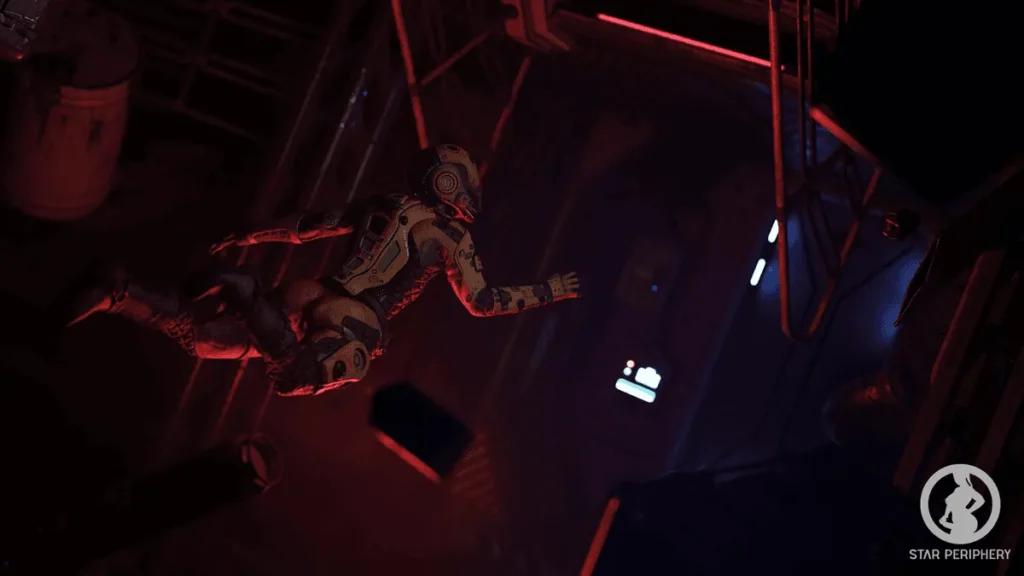

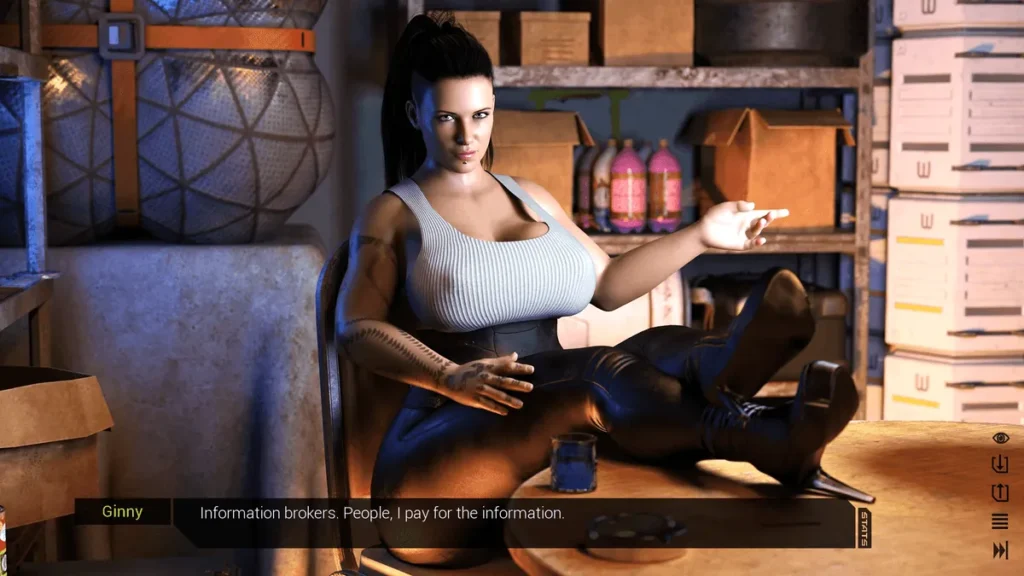

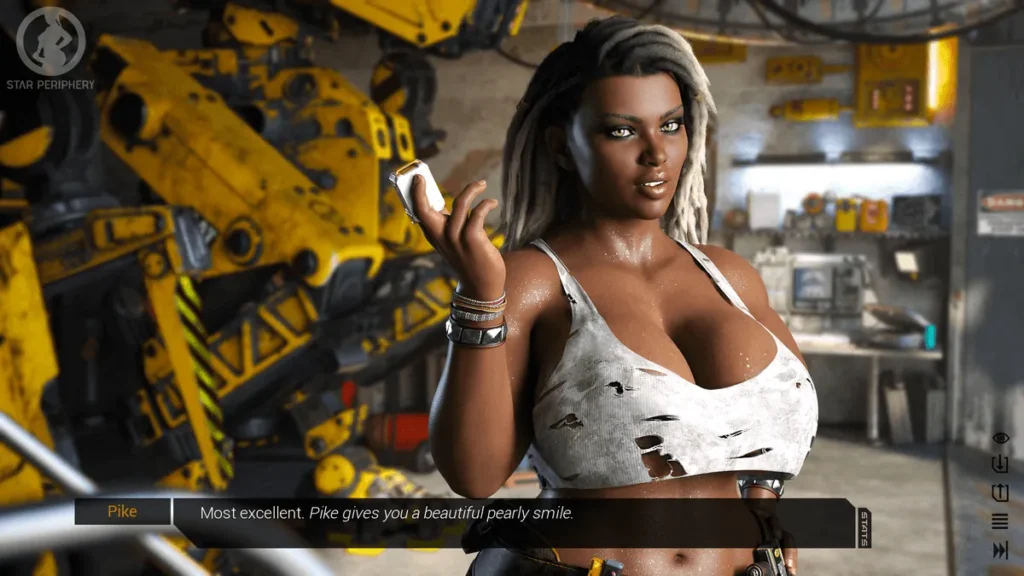

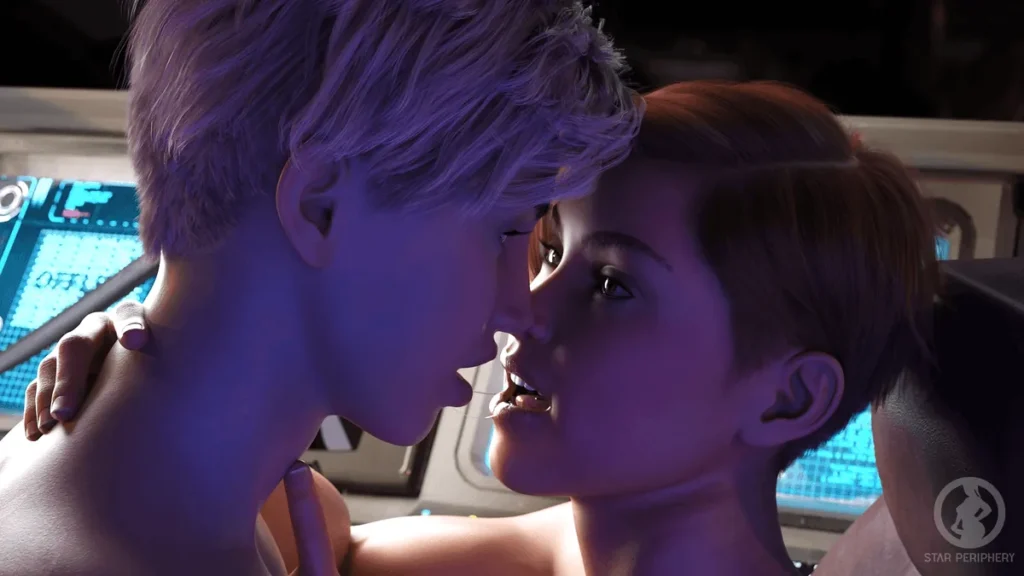

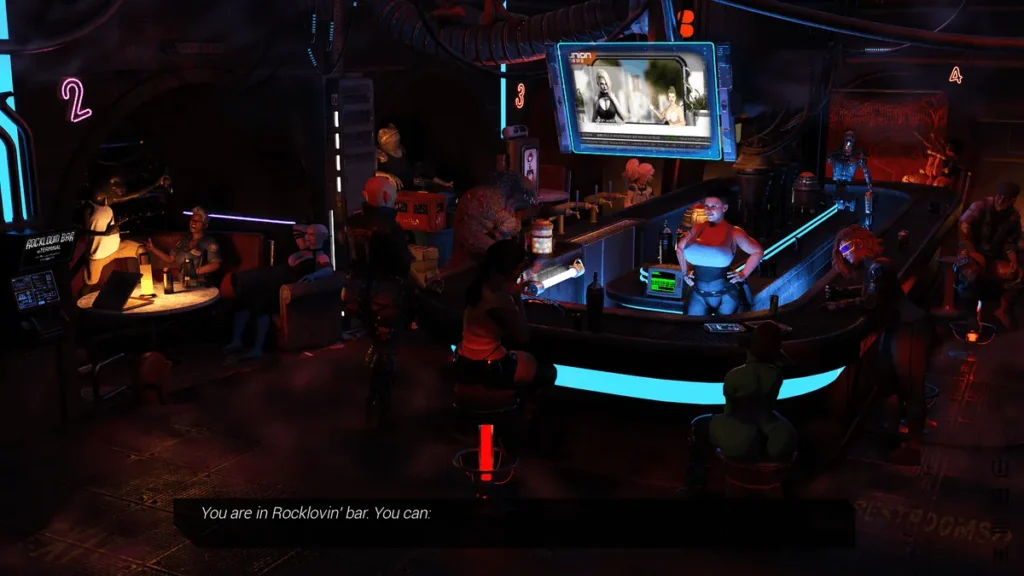
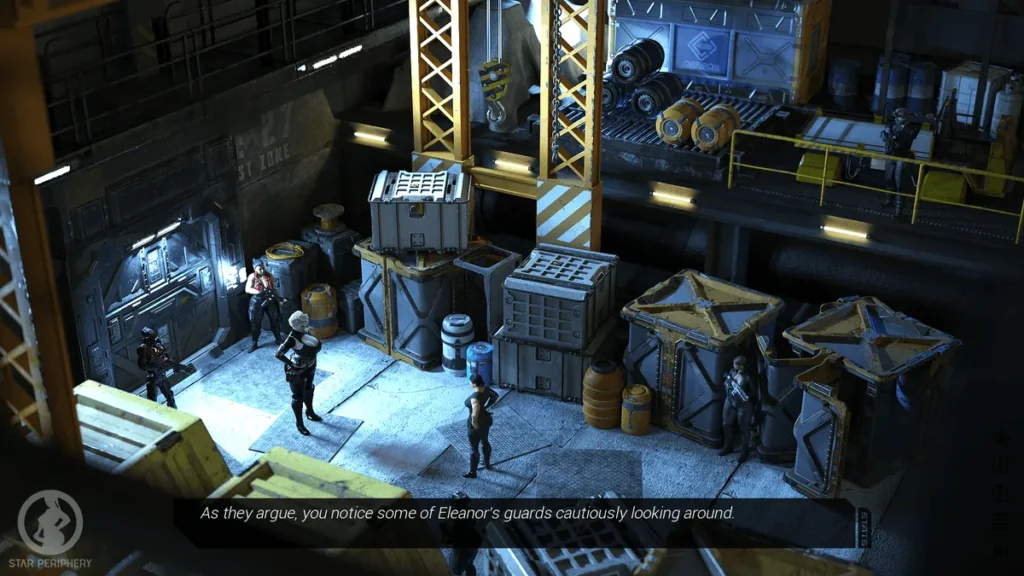
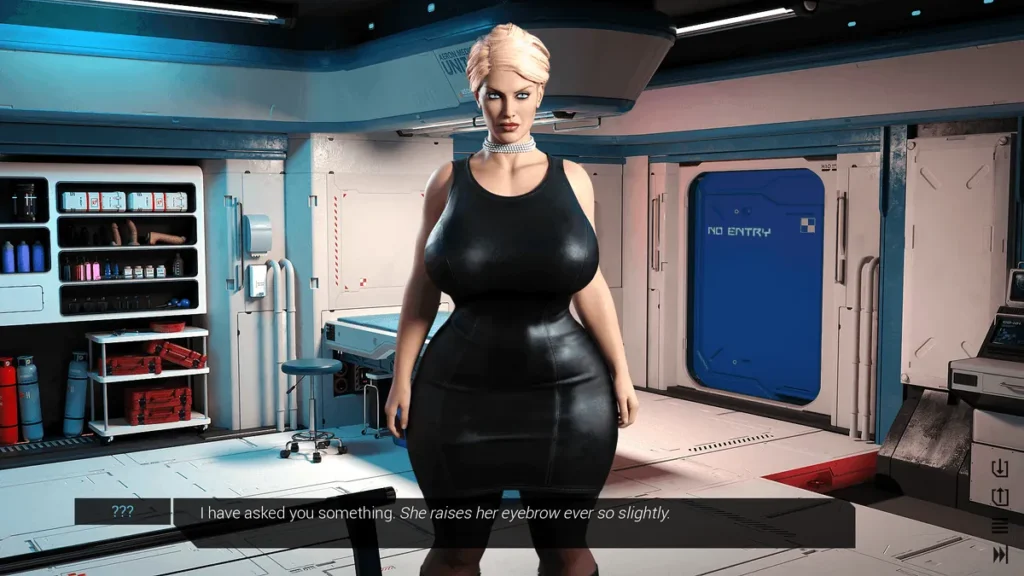

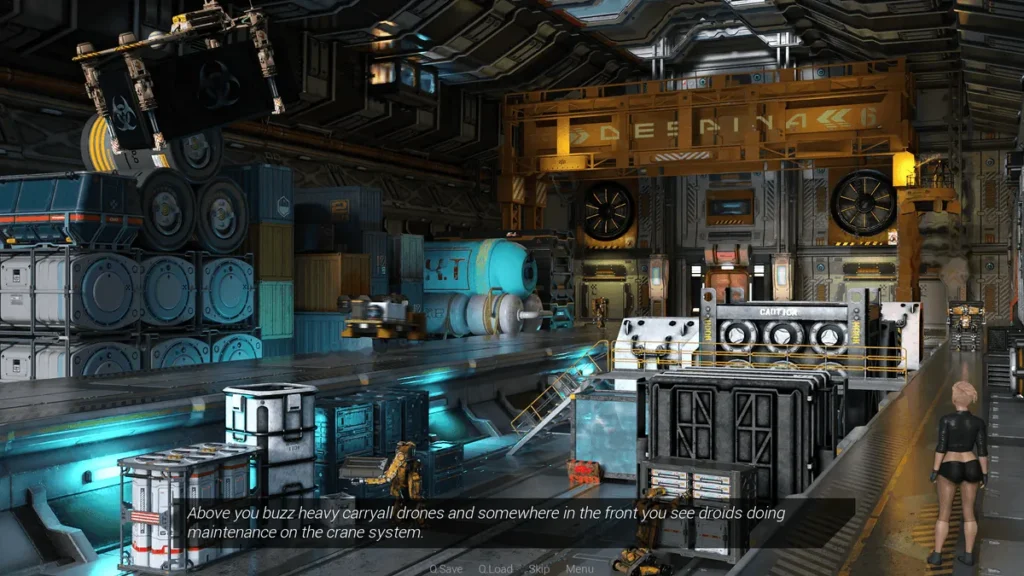
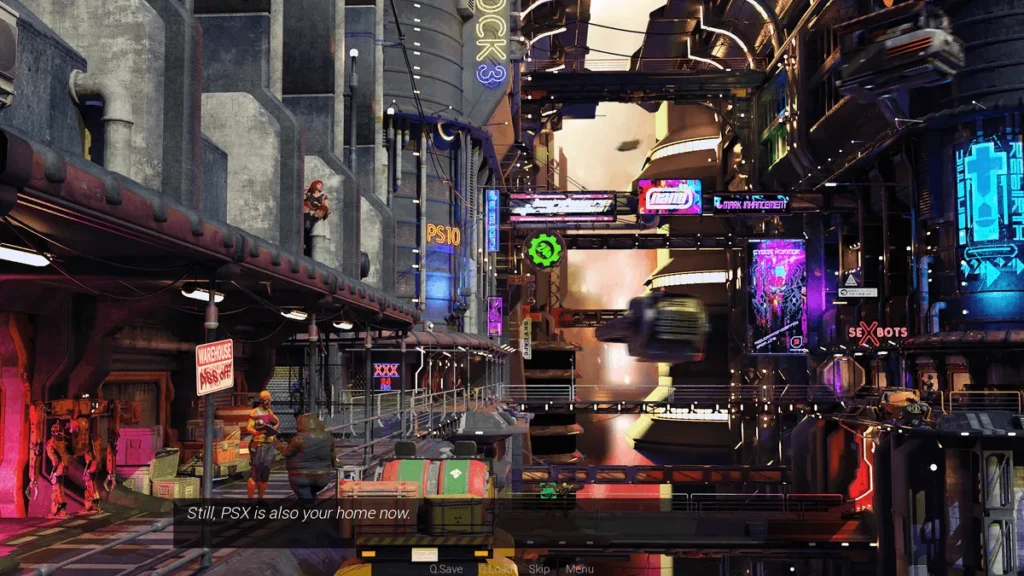
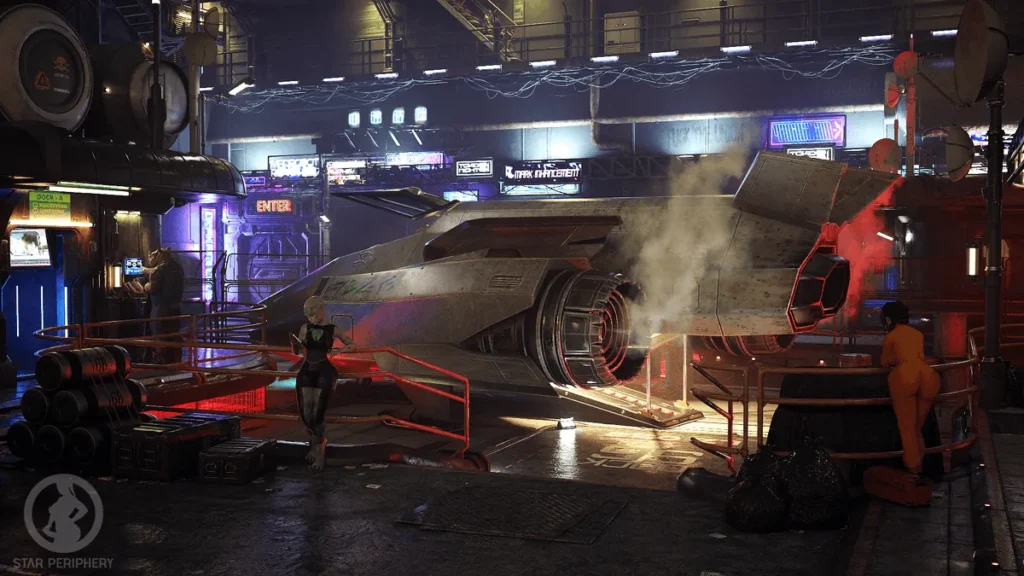
Star Periphery review
A player-focused look at Star Periphery, its gameplay, and what to expect before you dive in
Star Periphery drops you into a far‑flung sector of space where command decisions, relationships, and resource management all collide in one stylized sci‑fi experience. If you have seen the name Star Periphery mentioned on forums or niche gaming sites and wondered what this game actually offers, you are not alone. When I first heard about it, I expected a basic space sim with some edgy flavor layered on top, but after a few sessions I realized it leans much more into narrative choices and tactical planning than the screenshots suggest. In this guide, I will walk you through how Star Periphery works, what stands out, and who is most likely to enjoy it.
What Is Star Periphery and How Does It Play?
So, you’ve heard the name, seen some intriguing screenshots of starfields and dialogue boxes, and now you’re wondering: what is Star Periphery, really? 🤔 Is it a spaceship sim? A choose-your-own-adventure book? A resource management puzzle? The short, and slightly cheeky, answer is: yes. The Star Periphery game is a brilliant, sometimes brutal, fusion of all those things. It’s a narrative-driven sci-fi strategy experience where you don’t just watch a story unfold—you desperately steer it through a hurricane of your own decisions.
In this chapter, we’re going to strip away the mystery and look at exactly how this game works. We’ll define its unique genre blend, break down its addictive core loop, and I’ll walk you through my own clumsy first hours. By the end, you’ll have a crystal-clear picture of whether this is the kind of cerebral space opera you’ve been searching for. 🚀
What kind of game is Star Periphery?
Let’s cut to the chase. If you need a neat genre label, think of Star Periphery as a “narrative-heavy sector management sim.” It sits at a fascinating crossroads. It’s not a fast-paced action shooter, and it’s not a sprawling 4X empire-builder like Stellaris where you control hundreds of planets. Conversely, it’s more hands-on and systems-driven than a pure visual novel.
You typically take on the role of a commander, captain, or key leader aboard a single vessel or small fleet, venturing into a remote, often unstable sector of space. The perspective is that of a strategic overseer. You’re presented with a sector map, your ship’s status screens, and text-based event narratives. Your job is to piece it all together.
The magic—and the challenge—of the Star Periphery gameplay is in the fusion of three key layers:
- Narrative & Choice: Every star system, debris field, and mysterious signal comes with a story. You’ll encounter stranded colonists, hostile alien remnants, and moral dilemmas that would give a philosopher a headache. Your choices in these text-based events have immediate and long-term consequences.
- Tactical Resource Management: You are always on the brink. Fuel, power, crew morale, hull integrity, and precious data are your lifelines. Every jump, every repair, and every negotiation spends something. You can’t do it all, so you must constantly choose what to prioritize.
- Strategic Exploration: The sector map is your puzzle. Where do you go with your limited fuel? Do you risk the unstable nebula rumored to contain ancient tech, or play it safe and head for the known trading post? The route you plot is a strategy in itself.
To visualize how Star Periphery carves its own niche, here’s a quick comparison:
| Game Type | Primary Focus | Star Periphery’s Focus |
|---|---|---|
| 4X Strategy (e.g., Civilization in space) | Empire expansion, research trees, large-scale warfare | Survival of a single entity, personal narrative, tactical resource trade-offs |
| Visual Novel | Branching dialogue and story outcomes | Story outcomes deeply tied to tangible resource states and strategic positioning |
| Space Sim/Trader | Flight mechanics, economic buy/sell loops | Curated events, crisis management, and consequence-driven storytelling |
The overall tone is one of lonely, impactful responsibility. You’re not a galactic emperor; you’re a decision-maker in over your head, trying to do right by your crew and mission while the void throws chaos at you. This Star Periphery review of its core identity boils down to it being a thinker’s game, a game for those who find drama in spreadsheets and poetry in logistics. ✨
Core gameplay loop and decision-making
Alright, let’s get into the engine room. What do you actually do in a typical session of this game? The Star Periphery game loop is a tight, tense cycle of planning, reacting, and living with the results. It’s deceptively simple in structure but infinitely complex in execution.
Here’s how the core cycle breaks down:
- Plot Your Course: You stare at the sector map from your command chair. Resources are low. You need X, but Y is on the way and might be dangerous. This is a pure strategic decision. Do you take the short, risky route or the long, safe one?
- Encounter an Event: You arrive at a location. The game presents you with a rich, text-based scenario. “Long-range scans identify a derelict generation ship. Life signs are faint but present. Your engineering officer notes their reactor design is archaic and volatile.”
- Make a Weighted Decision: You’re given options. Do you board to rescue survivors (costs time, risks crew), attempt to siphon their fuel (technical challenge, moral cost), or leave them behind (safe, but impacts morale)? Critically, each choice shows you the potential costs:
-15 Fuel,Risk: Crew Injury,+/- Morale. - Manage the Outcome: The event resolves. You gain some data, lose some hull integrity, or gain a traumatized but grateful new crew member. You immediately check your status screens. Can you continue? Do you need to change your entire plan because you’re now leaking oxygen?
- Repeat & Adapt: You take your new, altered state and go back to Step 1. The loop continues, with the consequences of past decisions narrowing or opening up future paths.
The brilliance is in how these layers talk to each other. A purely narrative choice (“save the colonists”) becomes a tactical crisis when it leaves you with no fuel to reach your next objective. A smart strategic move (diving into an asteroid field to avoid pirates) triggers a new, dangerous event (hull damage from micro-asteroids).
Your Star Periphery strategy isn’t about finding one “best build.” It’s about developing a decision-making philosophy. Do you play as a ruthless pragmatist, sacrificing sentiment for survival? Or a principled idealist, knowing it will make the journey harder? The game tests and reflects this philosophy back at you constantly. A key piece of advice? There are very few “right” answers, only choices with different kinds of cost. Your goal is to make those costs sustainable long enough to achieve your mission.
My first hours in Star Periphery: expectations vs reality
I went into my Star Periphery gameplay session thinking I was a savvy space captain. I’d managed complex resources in other games. I loved sci-fi stories. How hard could it be? 🤨
My reality check was swift and humbling. The first hour was a blur of tutorial pop-ups and feeling overwhelmed. I had my little ship, the Voyager’s Resolve, and a simple goal: reach the distant beacon system. Easy! I immediately plotted the most direct course, ignoring my science officer’s murmurings about “nebulaatic interference.”
My initial confusion centered on the interconnectedness of everything. I treated my first few events as isolated short stories. I rescued a cute alien creature from a debris field (happy crew!). I generously gave spare parts to a struggling survey team (they were grateful!). I felt like a hero. Then, the Star Periphery reality hammer hit.
I jumped into the nebula. My sensors scrambled. An event fired: “A dense cloud of corrosive particles surrounds the ship. Hull integrity is dropping 1% every few seconds. Your chief engineer proposes a full-power burst to the forward shields to carve a clean path, but it will drain our reserves.”
I had a choice: drain precious power to save hull, or slowly take damage. My “hero” complex kicked in. “We’ll tough it out! Save the power!” I said. Bad move.
Tip from my pain: Hull damage is a silent killer. Repairing it often requires specific resources or safe dock time, which you rarely have. Prioritize keeping your hull healthy above almost all else.
We emerged from the nebula with 62% hull. The next event was a pirate ambush. My weakened ship couldn’t intimidate them, and my depleted power meant evasive maneuvers failed. I was forced to surrender a chunk of my already-low fuel supplies. Now I was damaged, low on fuel, and still far from my goal. The cheerful mood from saving the space-puppy evaporated; my crew’s morale plummeted. My generous gift of spare parts earlier meant I couldn’t fix my hull. Every “good” decision I’d made in isolation had boxed me into a terrible position.
This was the key moment. The game wasn’t punishing random choices. It was demonstrating that all choices exist within a web of limited resources. I had managed my “story” resources (crew morale, my personal ethics) but failed to manage my “survival” resources (hull, power, fuel). A single, seemingly minor decision in the nebula radically collapsed my options. I didn’t lose immediately, but I entered a death spiral where every subsequent event became harder because I had less to work with.
This tense, consequential pacing defines the experience. It’s a slower burn than an action game, but the moments of crisis feel incredibly urgent. You’re not just reading about a captain in trouble—you are that captain, staring at the numbers, knowing the next bad call could be the last.
So, is Star Periphery worth playing? That depends entirely on what you seek.
- You will likely love this game if you enjoy offbeat, atmospheric sci-fi, if you relish games where choices have real teeth (like Frostpunk or Roadwarden), and if you get satisfaction from slowly mastering complex, interlocking systems through planning and adaptation. The core audience is thinkers, planners, and story-seekers.
- You might bounce off hard if you need constant action, fast-paced combat, or a purely casual, stress-free experience. This is not a game to unwind with unless you find strategic crisis-management relaxing (some of us do! 😅).
My first hours were a brutal lesson, but they also hooked me completely. They showed me that Star Periphery wasn’t just telling a story; it was making me live one, with all the difficult, glorious, and desperate decisions that come with it. If that sounds compelling, then you’re ready to dive deeper into the periphery.
Star Periphery is a niche, narrative‑heavy sci‑fi title that rewards patience, curiosity, and a willingness to live with your decisions. Once you accept its slower rhythm and layered systems, it becomes less about min‑maxing numbers and more about steering a messy, evolving story at the fringes of space. If you are drawn to games where your choices genuinely reshape the journey rather than just tweak dialog lines, it is worth giving Star Periphery a shot. Start with a single run, allow yourself to make imperfect decisions, and see whether its blend of strategy and storytelling resonates with you enough to keep exploring the edges of its universe.