Sunville
Play Sunville
Sunville Screenshots








Sunville review
Explore the mechanics, storyline, and character interactions in this visual novel experience
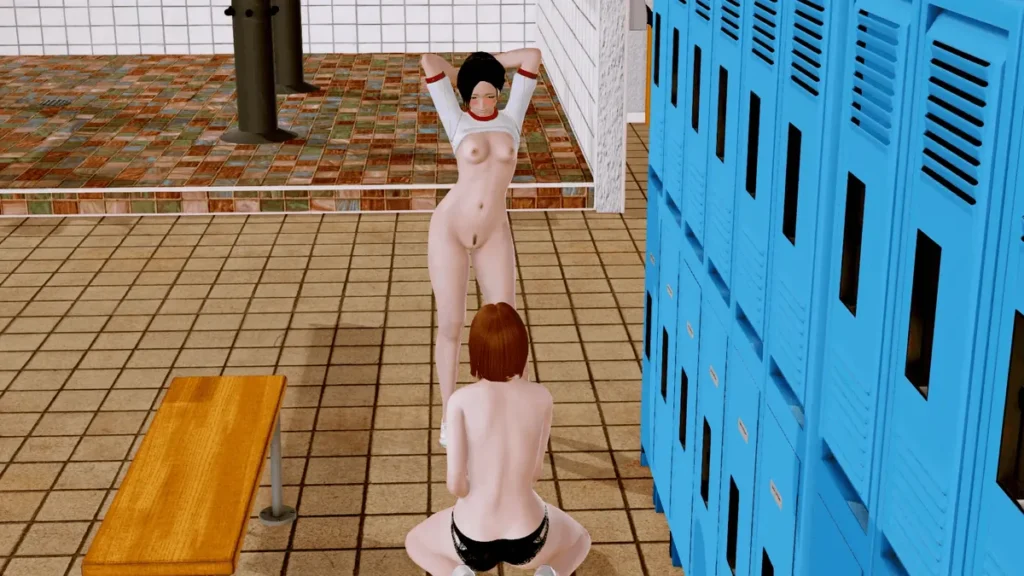
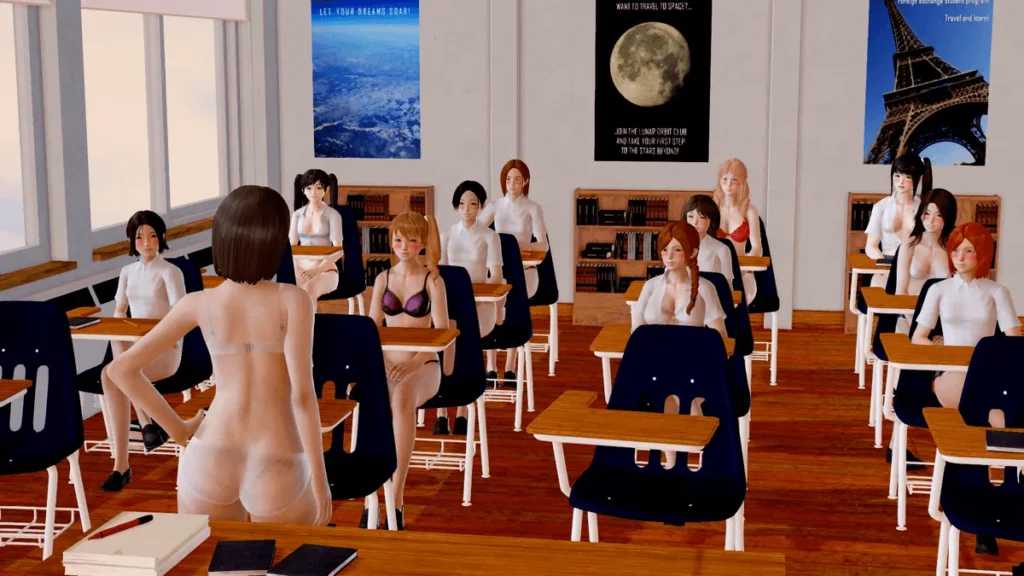
Sunville is a point-and-click visual novel that has gained attention in the adult gaming community for its narrative-driven approach and interactive gameplay mechanics. This guide explores the core elements that define the Sunville experience, from its character-driven storyline to the various gameplay systems that keep players engaged. Whether you’re new to visual novels or looking to understand what makes Sunville distinctive, this comprehensive overview covers everything you need to know about the game’s structure, mechanics, and content.
Understanding Sunville’s Core Gameplay Mechanics
Ever loaded up a visual novel only to feel like you’re just clicking through a slideshow of pretty pictures? 😴 I know I have. You watch the story unfold, maybe make a big choice every hour or so, but mostly, you’re just a spectator. When I first heard about Sunville, I braced for more of the same. But let me tell you, I was wildly mistaken. Sunville gameplay mechanics turn that passive experience on its head, transforming you from a reader into an active participant at the heart of a vibrant, unpredictable summer story. This isn’t just about watching relationships bloom; it’s about rolling up your sleeves and making them happen, one interactive choice and playful challenge at a time. 🏖️
At its core, Sunville is a masterclass in blending classic point-and-click visual novel exploration with the spontaneous fun of social party games. Every conversation, every flirtatious glance, and every pivotal story moment is earned through your engagement with its unique systems. Forget static dialogue trees—here, you might advance the plot by winning a round of cards or by where a spinning bottle lands. This guide will dive deep into the engine that makes this world tick, exploring how its mechanics create a truly dynamic and replayable adventure centered around authentic Sunville character interactions.
Point-and-Click Navigation and Player Interaction
So, what does it actually feel like to play? Imagine arriving at your sunny vacation destination. The first thing you’ll notice is that Sunville’s world is alive and clickable. This is the foundation of all Sunville gameplay mechanics. Unlike kinetic novels that just push you forward, Sunville employs a classic point-and-click visual novel philosophy. Your cursor is your key to the world.
- Exploring Environments: You can click on virtually anything that piques your interest—a intriguing book on a shelf, a radio on the patio, a cool-looking drink at the bar. Often, these interactions aren’t just for flavor. Clicking on an object might trigger a special observation from your character, giving you deeper insight into the setting or even unlocking a new topic of conversation with a friend nearby. It rewards curiosity.
- Initiating Conversations: Want to talk to someone? You click on them. It’s that simple and intuitive. This direct control makes the world feel tangible. You’re not just selecting a name from a menu; you’re walking your character over to that person and starting a chat. This physicality in a point-and-click visual novel deepens the immersion, making Sunville character interactions feel more deliberate and personal.
- Making Meaningful Choices: When dialogue options appear, they are direct results of your exploration and previous actions. The game doesn’t hold your hand; it presents opportunities. Will you be charmingly bold or playfully shy? Your clicks here are your personality, directly shaping how each character perceives you.
Pro Tip: Don’t rush from story beat to story beat! Take a moment in each new area to click around. You’d be surprised how often a seemingly minor environmental detail becomes a perfect conversation starter later, enriching your Sunville character interactions.
In my first playthrough, I was so focused on the main social circle that I barely glanced at the peripheral objects. On my second run, I spent time clicking on everything in the beach house. Not only did I find hidden lore about the town, but I also discovered a specific cocktail recipe. Later that evening, when a character was stressed, I was able to suggest making that exact drink for them—a unique dialogue option that significantly warmed them up to me. That’s the magic of Sunville’s interactive layer. It’s a world that responds to your attention. 👀
Party Games as Narrative Progression Tools
This is where Sunville truly separates itself from the pack. You’re not just talking your way through this summer; you’re playing your way through it. The various party games in Sunville are not minigames tacked on for distraction. They are the primary engines for narrative progression, relationship building, and content unlocking. Think of them as social catalysts, breaking down barriers and creating the memorable, sometimes hilariously awkward, moments that define a summer fling.
These games serve a brilliant dual purpose. First, they are fun, skill-based (or luck-based!) challenges that break up the reading segments. Second, and more importantly, they are narrative devices with serious stakes. Winning, losing, or even the specific actions within a game can open up new dialogue branches, alter a character’s mood, and trigger special scenes. The party games in Sunville are where friendships are tested, alliances are formed, and romance sparks fly.
Let’s look at two standout examples:
- Spin the Bottle Game Mechanic: This isn’t just a nostalgic throwback; it’s a masterstroke of randomized storytelling. The Spin the Bottle game mechanic in Sunville is a perfect encapsulation of the game’s philosophy. When the bottle spins, you genuinely don’t know who it will land on. This creates organic, often unexpected, Sunville character interactions. You might plan to get closer to one person, only for fate to pair you with someone else entirely, leading to a surprising and delightful conversation you otherwise would have missed. The outcomes aren’t just simple “kiss or dare.” They can range from sharing a secret, to asking a deep personal question, to collaborating on a task. It forces you out of your comfort zone and makes every party sequence uniquely tense and exciting.
- Strip Poker Gameplay: Now, let’s talk about the elephant in the room—or rather, the cards on the table. The Strip Poker gameplay in Sunville is often what gets people talking, but it’s crucial to understand its function beyond the surface. This isn’t just about titillation. It’s a high-stakes game of bluffing, strategy, and vulnerability. How a character plays—whether they bluff aggressively, fold quickly, or laugh off a loss—reveals volumes about their personality. The “stakes” lower inhibitions and lead to confessional moments and flirtations that would feel unnatural in a normal conversation. Managing your own hand while reading your opponents becomes a thrilling meta-layer to the social gameplay.
But the fun doesn’t stop there! From chaotic team-based games to quickfire drinking challenges, the variety of party games in Sunville ensures that social gatherings never feel repetitive. Each game applies different kinds of pressure, revealing different facets of the characters—and of your own playstyle.
To give you a clearer picture of how these games drive the experience, here’s a breakdown:
| Game Name | Core Mechanics | Primary Purpose | Impact on Progression |
|---|---|---|---|
| Spin the Bottle | Randomized selection, choice-based dares or questions | Create unexpected pairings, force intimate interactions | Unlocks unique dialogue with characters you may not have focused on; can reveal hidden traits. |
| Strip Poker | Card-based strategy, bluffing, resource (clothing) management | Build tension, showcase character personality under pressure, create vulnerability. | Triggers private scenes, drastically shifts relationship meters, unlocks bold flirtation options. |
| Hot Shots (Example Team Game) | Team competition, quick-time events or trivia | Foster camaraderie or rivalry, highlight group dynamics. | Strengthens bonds with your team members; can create inside jokes or mild conflicts with the opposing team. |
| Truth or Dare | Player-directed choice, escalating challenges | Deepen existing relationships, pursue specific story threads. | Allows targeted questioning or dares to uncover specific backstory or advance a romantic subplot directly. |
Randomization and Replayability Systems
This brings us to the heart of Sunville’s longevity: its incredible visual novel replayability. Many story-driven games offer a “choice matters” promise, but Sunville structures its entire core loop around variables that guarantee no two summers will ever be the same. This isn’t just about picking A or B at a key moment; it’s about a cascade of small, randomized events that create a completely unique narrative tapestry each time you play. 🔄
The most prominent tool in this arsenal is the Spin the Bottle game mechanic. Because its results are random, a single evening party can branch out in a dozen different directions. On one playthrough, the bottle might land on the shy bookworm five times, plunging you into a deep, intimate subplot. On another, it might keep pointing you toward the competitive jock, leading to a completely different dynamic of teasing rivalry. This single mechanic alone massively boosts visual novel replayability, as it directly scripts your social opportunities for the entire night.
But the randomization goes deeper. Elements within other party games in Sunville can also vary. In card games, the deal is different. In team games, the teams might be shuffled. Characters also have their own hidden mood and affinity values that can affect their reactions to your in-game performances, adding another layer of delightful unpredictability to Sunville character interactions.
My Experience: I decided to do three back-to-back playthroughs focusing on the same character, Alex. In the first, a lucky streak in Spin the Bottle meant we spent most of the first party together, fast-tracking our connection. In the second, the bottle barely glanced Alex’s way, so I had to work much harder through conversations and other games to get their attention. The third time, Alex lost badly in Strip Poker early on, putting them in a sullen mood that took the whole next in-game day to overcome! The core attraction was the same, but the journey was completely different each time. That’s the magic.
Let’s walk through a detailed example of how this plays out:
- The Setup: It’s the first big beach house party. The group decides to play a game. The game chosen is random, but let’s say it’s Spin the Bottle.
- The Spin: You click to spin. The bottle whirs… and lands on Jordan.
- The Choice: You’re given a dare: “Whisper a secret to Jordan.”
- Branch 1 (You comply): You choose a flirty secret. Jordan blushes, laughs, and your relationship takes a sharp turn toward romance. For the rest of the night, Jordan seeks you out for more conversation.
- Branch 2 (You refuse and take a penalty): You choose a silly physical penalty instead. The group laughs, but Jordan seems slightly disappointed. Later, you notice Jordan is more engaged with someone else who took a daring risk.
- The Ripple Effect: This single interaction changes the social landscape. In Branch 1, you now have a strong lead on Jordan’s route. In Branch 2, the door isn’t closed, but it’s made your path harder, potentially pushing you toward another character you interacted with that night. Furthermore, other characters saw your interaction, which may influence how they perceive you—as bold or as cautious.
This system of randomization and variable outcomes is the bedrock of Sunville’s replayability. It creates authentic “What if?” scenarios that are incredibly compelling to explore. You’re not just replaying to see a different canned ending; you’re replaying to experience a wholly different social dynamics simulator. The Sunville gameplay mechanics are designed to make you want to go back, not out of completionist obsession, but out of genuine curiosity to see how the other half of this summer romance lives. How will a different set of game outcomes paint a different picture of these characters you’ve grown to love?
In conclusion, Sunville’s genius lies in its seamless fusion of point-and-click visual novel immersion with the thrilling unpredictability of party games in Sunville. From the deliberate Spin the Bottle game mechanic to the strategic Strip Poker gameplay, every action feeds into a living system of Sunville character interactions. This isn’t a story you simply consume; it’s a summer you actively shape, one click, one spin, and one daring bluff at a time. The promise of endless new stories, born from its masterful visual novel replayability, is what will keep you returning to its sunny shores long after your first vacation ends.
Sunville stands out in the visual novel genre through its integration of interactive party games as meaningful narrative devices rather than simple diversions. The game’s mechanics—from point-and-click navigation to randomized outcomes through party games—create a framework that encourages exploration and multiple playthroughs. The use of games like Spin the Bottle and Strip Poker serves the dual purpose of advancing character relationships while providing gameplay challenges that feel organic to the college-setting narrative. Understanding these core mechanics helps players appreciate how Sunville balances interactive storytelling with engaging gameplay systems. For those interested in visual novels that prioritize player choice and replayability, Sunville demonstrates how traditional party games can be reimagined as tools for narrative progression and content discovery.