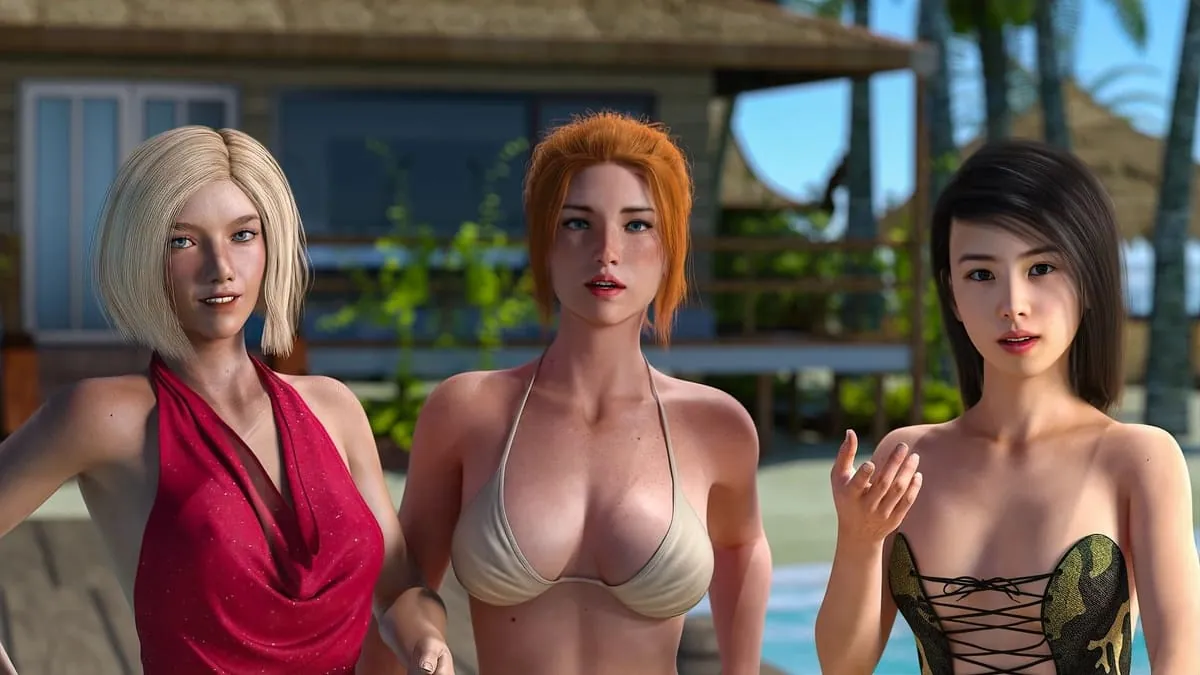
Tainted Heritage – a.k.a Weird Shit Is Going to Happen
Play Tainted Heritage – a.k.a Weird Shit Is Going to Happen
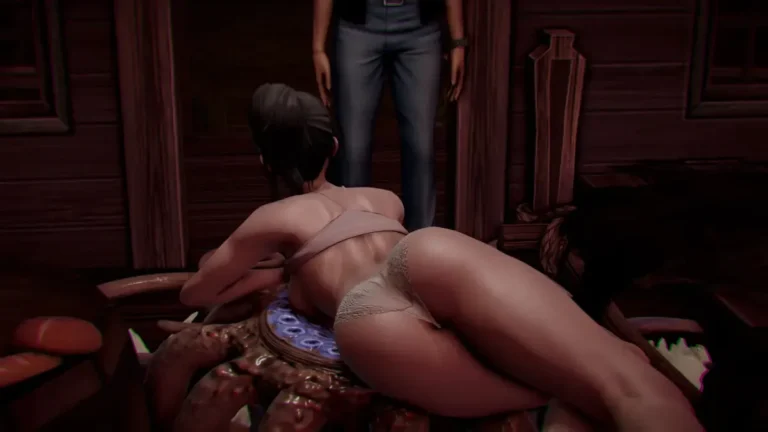
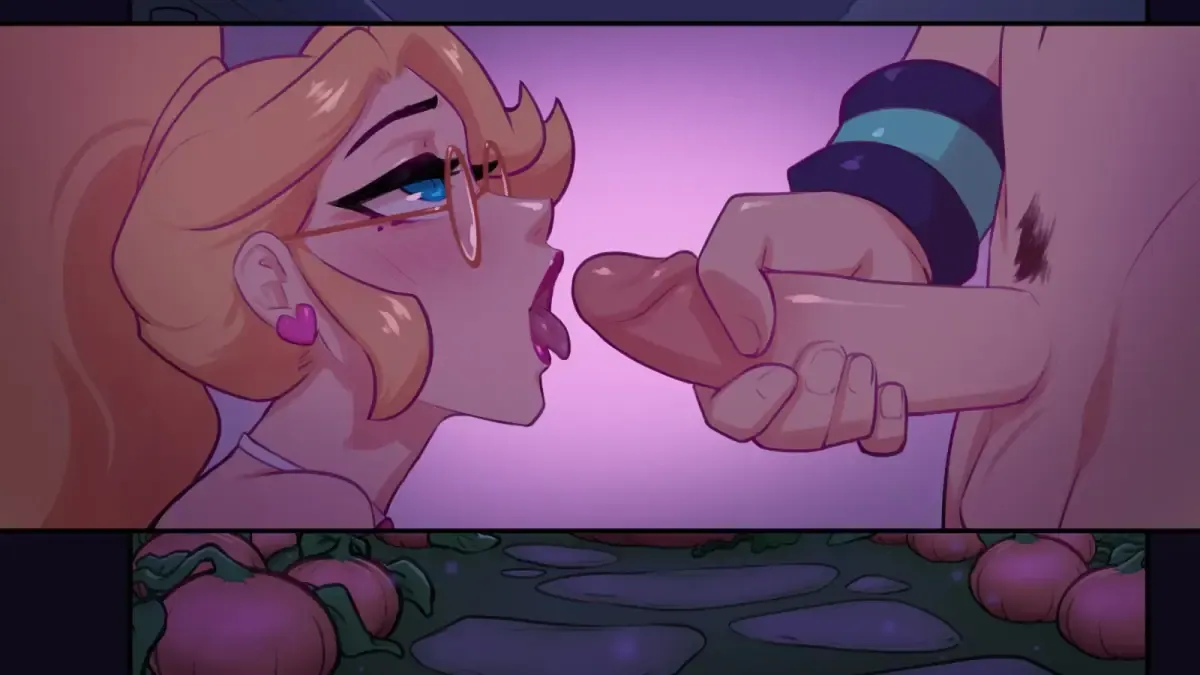
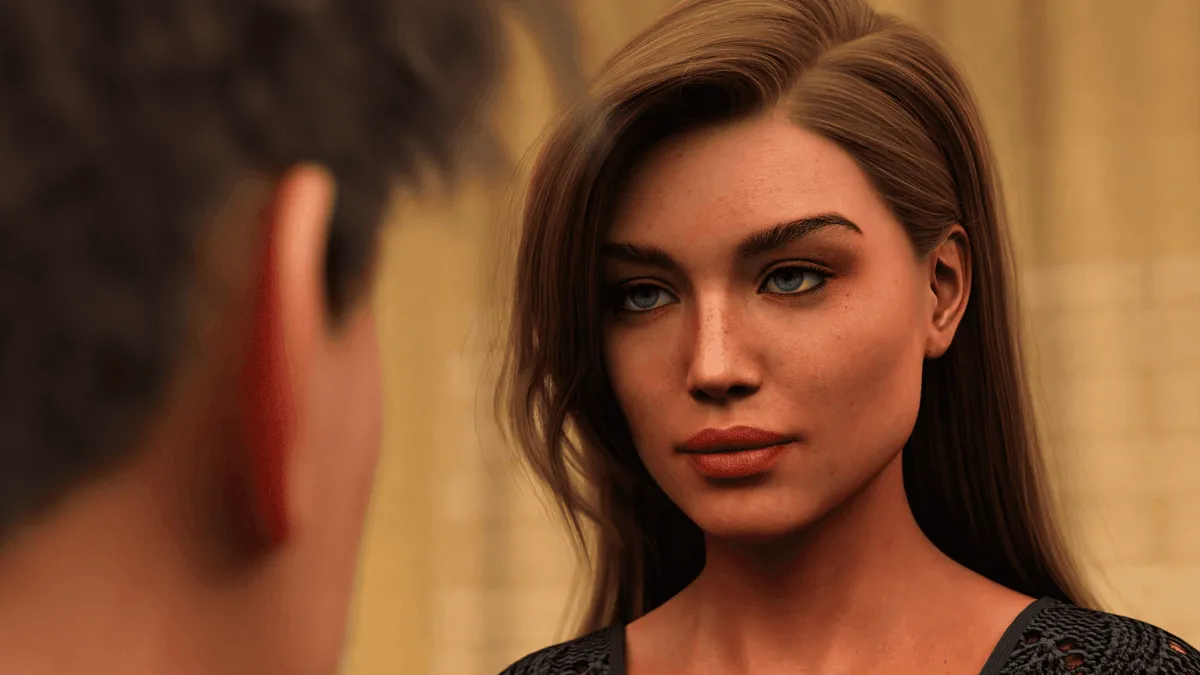
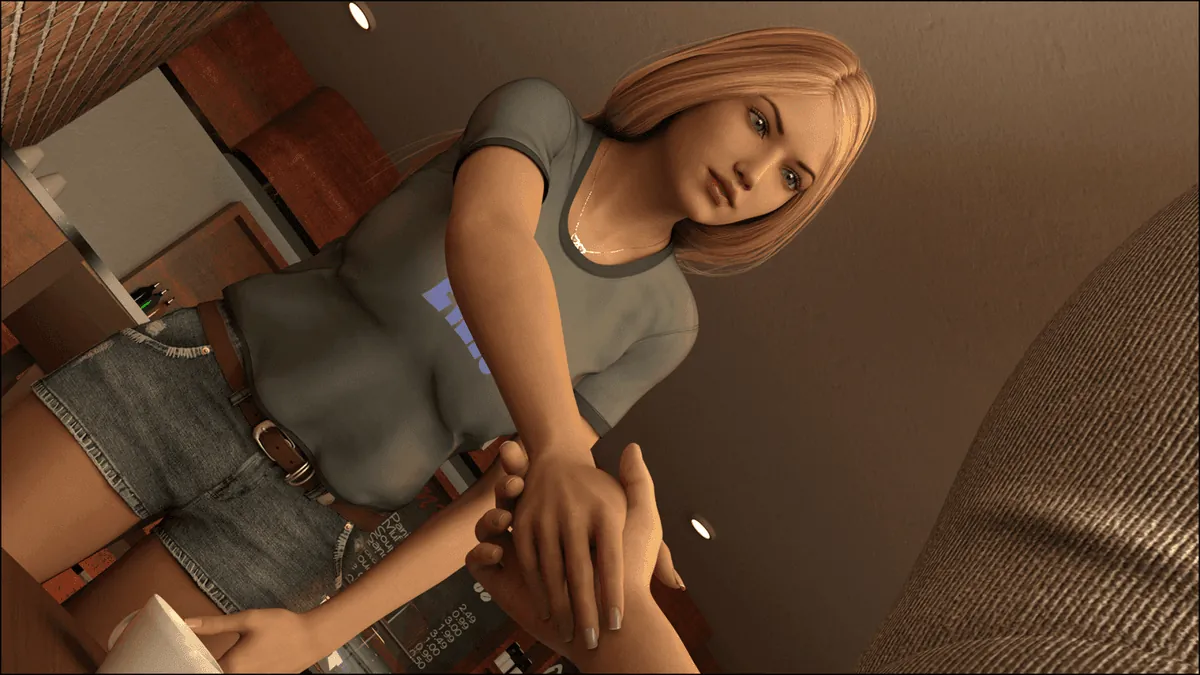
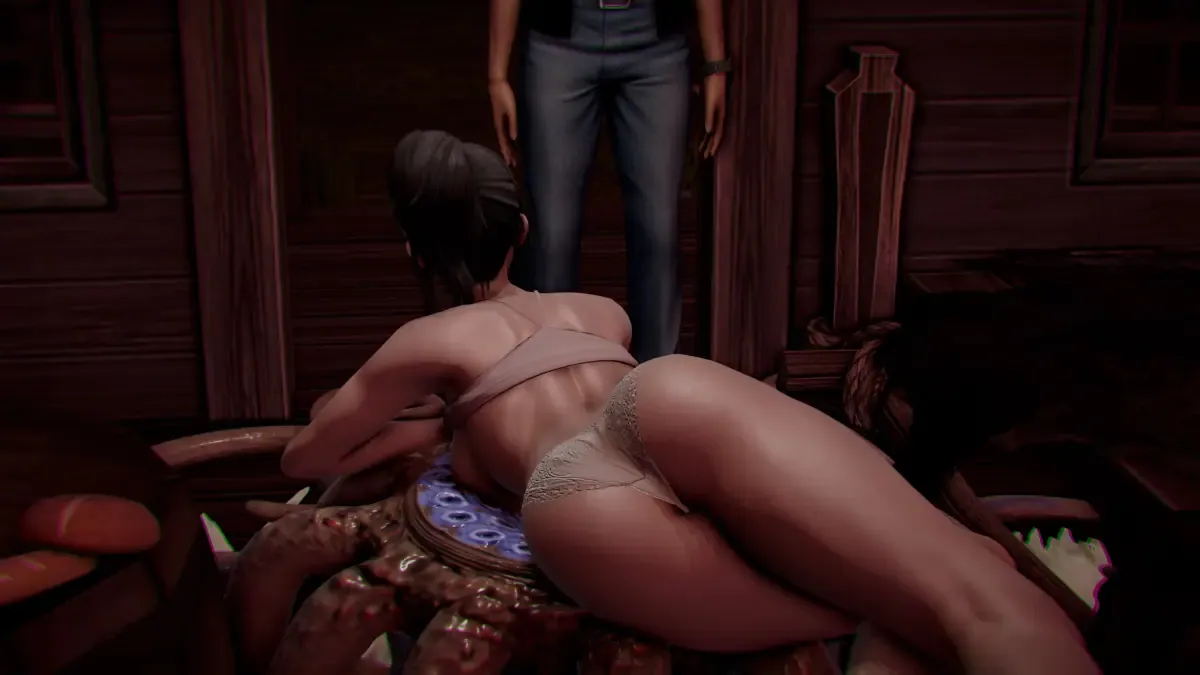
Tainted Heritage – a.k.a Weird Shit Is Going to Happen Screenshots
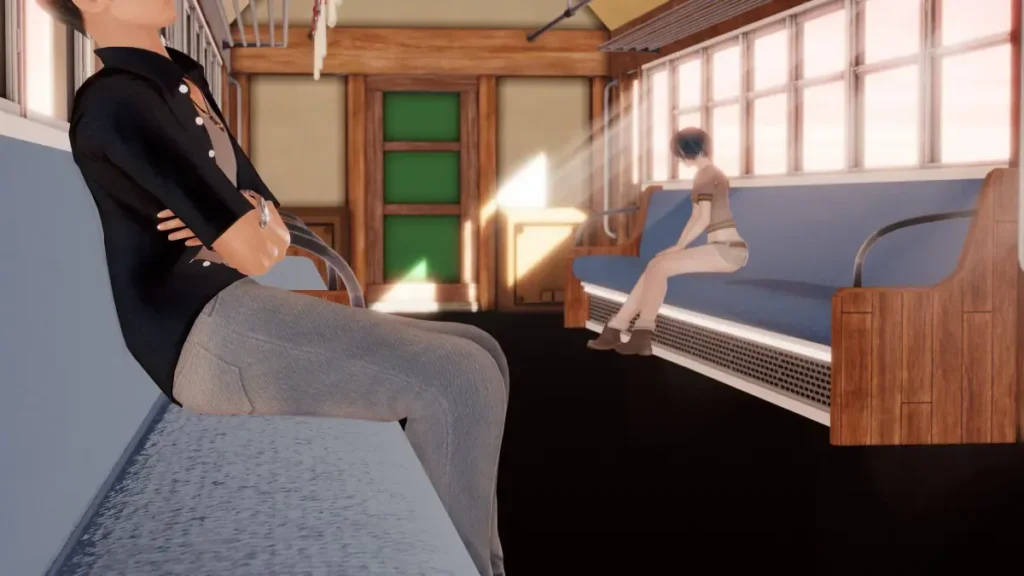
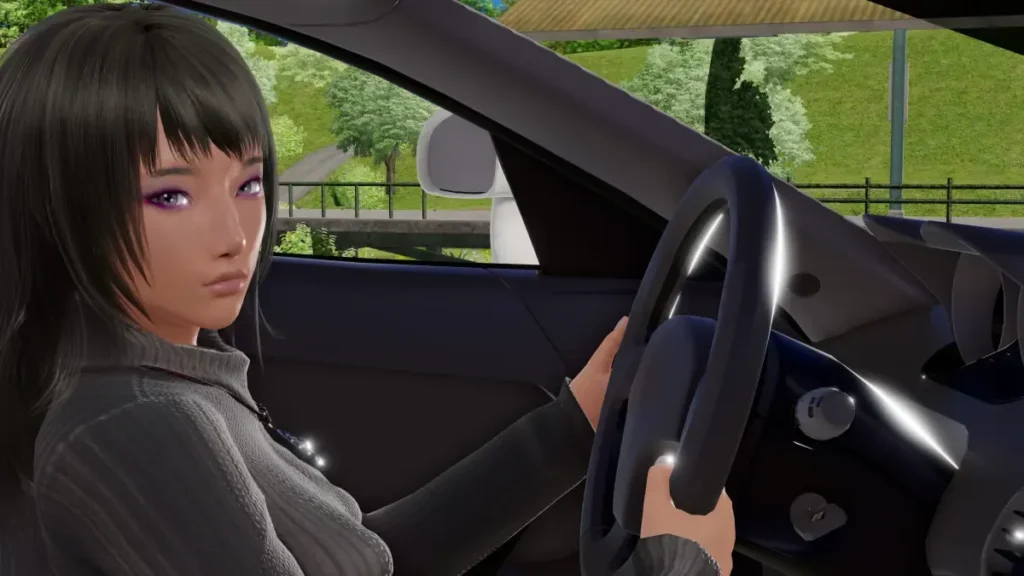
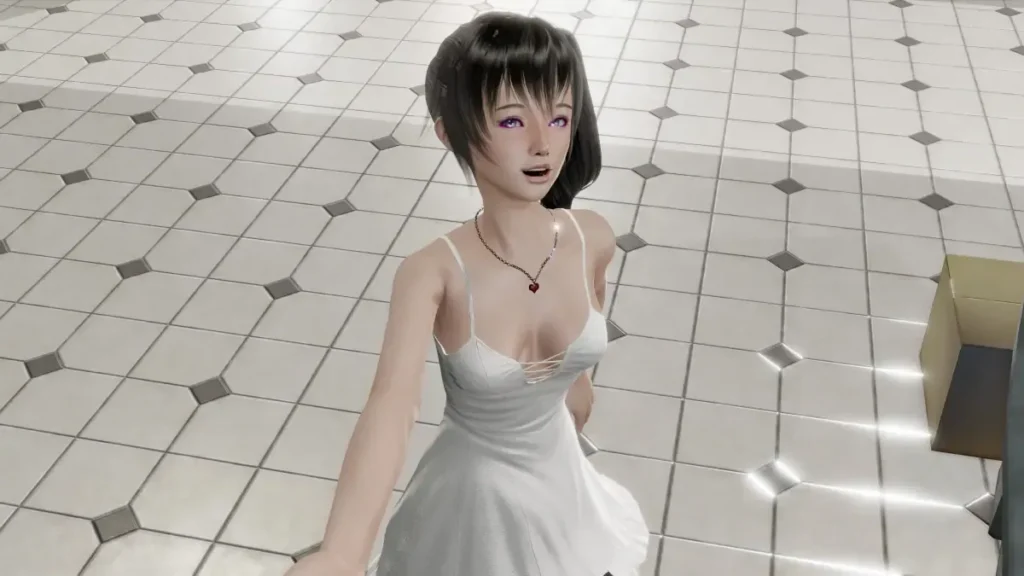
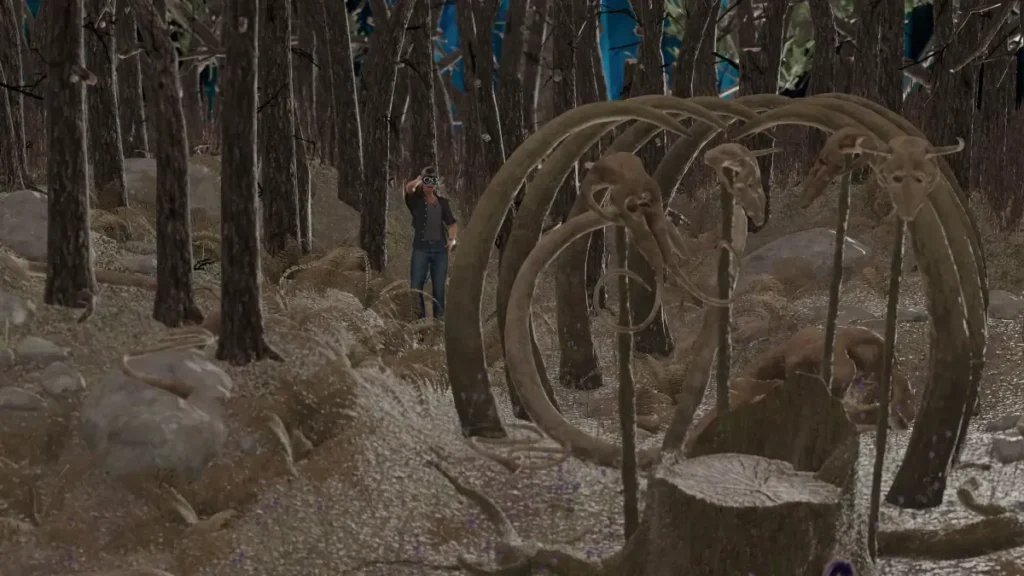
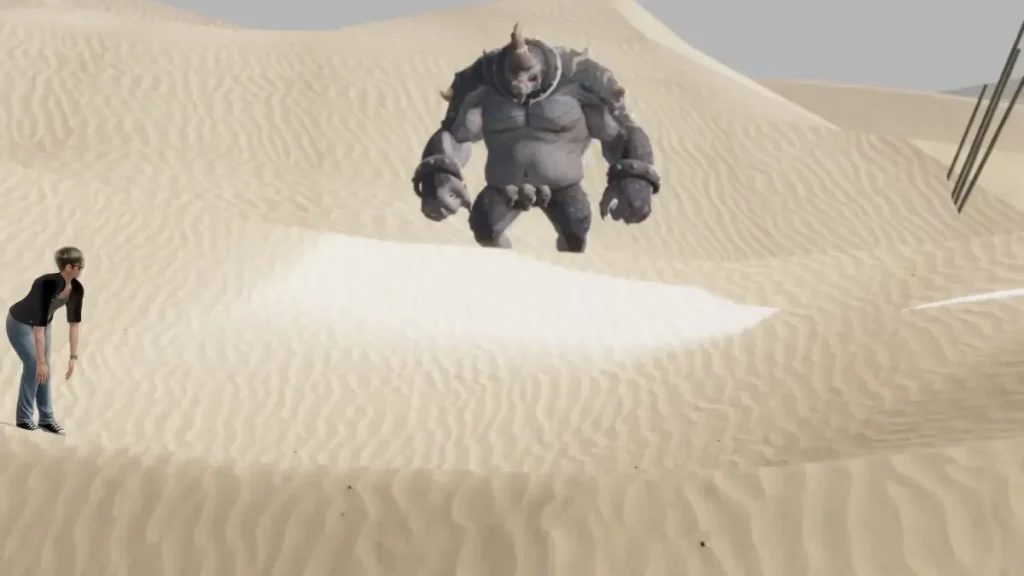
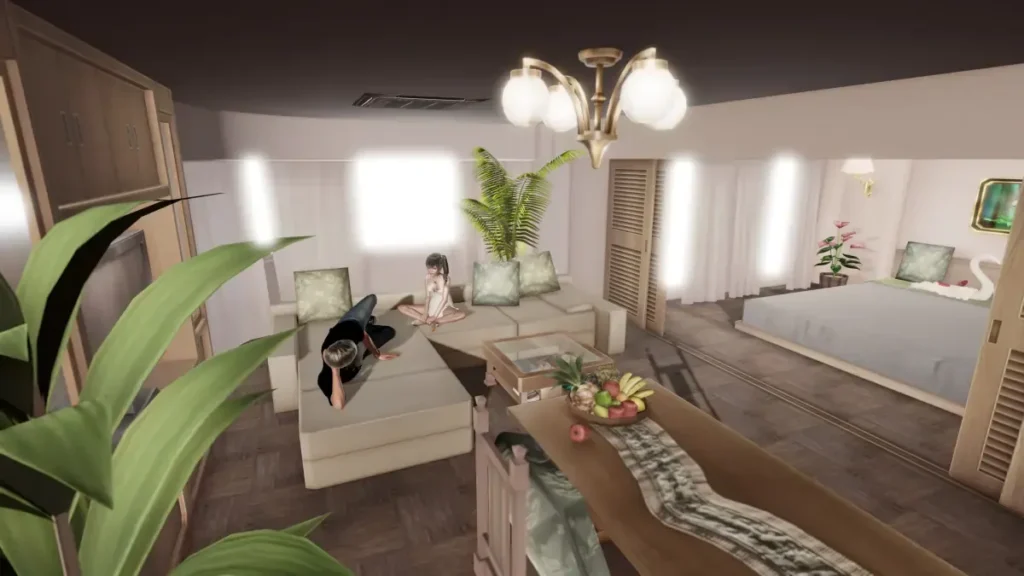
Tainted Heritage – a.k.a Weird Shit Is Going to Happen review
Master the Choices, Uncover the Mystery, and Navigate the Bizarre World of This Unique Visual Novel
Tainted Heritage stands out as a distinctive visual novel experience that challenges conventional storytelling through its unconventional narrative approach and experimental design philosophy. Unlike traditional games with predetermined endings, this indie title emphasizes player agency, allowing your decisions to shape a uniquely personal story. The game begins when the protagonist receives a mysterious letter from an estranged grandmother, setting off a cascade of inexplicable events and emotional challenges. Whether you’re drawn to complex character dynamics, branching story paths, or simply exploring indie gaming creativity, understanding the core mechanics and features of Tainted Heritage helps determine if this game aligns with your preferences. This comprehensive guide explores everything you need to know about navigating this bizarre world.
Understanding Tainted Heritage: Story, Setting, and Core Premise
So, you’ve downloaded Tainted Heritage – a.k.a Weird Shit Is Going to Happen, intrigued by the title but maybe a little unsure of what you’ve gotten yourself into. 🤔 You’re not alone. This isn’t your run-of-the-mill dating sim or linear story. It’s a deep, often unsettling, and brilliantly constructed choice-based storytelling game that grabs you by the collar and doesn’t let go. Let’s pull back the curtain on this bizarre world and understand exactly what you’re stepping into.
What is Tainted Heritage and Why It Stands Apart 🏚️
At its heart, the Tainted Heritage story premise is a gothic family drama wrapped in a mystery and dipped in absurdist humor. You play as a protagonist who has just lost both parents in a tragic accident. Reeling from grief, you receive a letter from a grandmother you never knew, summoning you to the remote, decaying family hotel you’ve now inherited. This isn’t a peaceful retreat; it’s the starting point for a cascade of bizarre, supernatural, and deeply personal events.
What you quickly discover is that your “heritage” is, as the title suggests, tainted. The family tree is gnarled and twisted, with secrets buried in its roots. A central, controversial element woven into the narrative is the theme of inherited legacy and forbidden relationships—your “tainted” bloodline is both a curse and a key to understanding the truth. The mysterious death of your grandfather looms over everything, and as you interact with a cast of estranged and eccentric relatives, you realize that uncovering what really happened to him is the only way to make sense of the increasingly weird shit happening around you. 👻
This Tainted Heritage visual novel stands apart because it refuses to play it safe. It blends moments of genuine emotional weight—dealing with grief, loneliness, and the desire for connection—with scenes of pure, laugh-out-loud absurdity. One moment you might be having a tender conversation, the next you’re dealing with a sentient, philosophical mound of sludge in the basement. This tonal tightrope walk is executed with surprising finesse, making the world feel unpredictable and alive.
Personal Insight: The first time I played, I spent so much time trying to be the “nice” heir, smoothing over family tensions. I completely missed the ominous environmental details changing in the background until a later playthrough slapped me in the face with the consequences. The game doesn’t just want you to read its story; it wants you to investigate it.
The Game’s Unique Narrative Structure and Player Agency 🕸️
Forget everything you think you know about visual novels where choices are just illusions leading to one of two endings. Tainted Heritage is built on a foundation of radical player agency narrative game design. Your decisions aren’t mere dialogue flavor; they are foundational bricks in the story’s architecture.
The core philosophy here is the “ripple effect.” A seemingly minor choice in Chapter 1 doesn’t just alter a line of dialogue in Chapter 2; it can fundamentally reshape an entire relationship dynamic or unlock a new story branch by Chapter 5. This is the engine of its Tainted Heritage gameplay mechanics. The game remembers everything, and it’s not afraid to remind you of your past actions in startlingly relevant ways.
Two systems elevate this from clever to revolutionary:
-
The Relationship Web System: This isn’t a simple “affection points” tracker. The relationship web system is a dynamic map of how every character feels about you, and crucially, how they feel about each other. Defending one cousin in an argument might make them trust you more, but it could sow resentment in another. These inter-character relationships evolve independently of you, creating a living, reactive social ecosystem. You’re not the center of the universe; you’re a catalyst within it.
-
The Consequence Timeline: This is where the game’s experimental design truly shines. As a consequence timeline visual novel, Tainted Heritage visually represents how your major decisions recontextualize the past. Choosing to uncover a specific secret doesn’t just move the story forward; it can cast earlier, seemingly random events in a completely new light, revealing them to be clues you were blind to before. It’s a genius way of making the player feel both the weight of their discoveries and the cleverness of the game’s writing.
| Aspect | Traditional Visual Novel | Tainted Heritage |
|---|---|---|
| Narrative Structure | Often linear or with clear, divergent “routes.” | A dynamic, branching web where choices create cascading, long-term effects. |
| Player Choice Impact | Typically affects immediate dialogue or leads to a predefined ending. | Alters character relationships, environmental storytelling, and recontextualizes past events via the consequence timeline. |
| Storytelling Approach | Player observes a story, occasionally directing its course. | Player actively investigates and co-authors the story through exploration and choice; the environment itself is a narrative device. |
How Your Choices Shape the Story’s Direction ⚖️
Let’s make this practical. How do these complex Tainted Heritage gameplay mechanics actually feel during play? It’s all about cause and effect, where the “effect” might be chapters away.
Real Example of the Ripple Effect:
Early in the game, you explore the hotel library. You find a strange, old ledger. The game gives you a choice: do you quietly examine the ledger yourself, or immediately show it to your skeptical aunt?
-
Choice A (Examine Alone): You discover cryptic entries about “groundskeeping” and unusual expenses. This seems minor. However, three chapters later, when a strange creature appears in the garden, you have unique dialogue options referencing the ledger. You can connect the dots, leading to a peaceful resolution and unlocking a hidden trust path with the reclusive groundskeeper character. The game doesn’t flag this as a “quest.” It trusts you to remember and apply your knowledge.
-
Choice B (Show the Aunt): She dismisses it as garbage and throws it out. Later, when the garden creature appears, you have no context. Your only options are confusion or aggression, potentially leading to a violent confrontation. This not only closes a narrative path but also affects how the aunt views you—perhaps as impulsive or seeking drama—which alters her subplot for the rest of the game.
This example shows the consequence timeline in action. The ledger wasn’t just a collectible; it was a key that could unlock or lock away future understanding. Your approach to investigation directly shapes your tools for dealing with the bizarre.
Your agency extends to the tone and pacing. Do you lean into the weirdness with curiosity and dark humor? Or do you react with fear and denial? The characters will respond to your attitude, opening up or shutting down accordingly. The relationship web system means that by befriending one person, you might accidentally make an enemy of their rival, creating entirely different alliance dynamics for the game’s major confrontations.
Actionable Advice: Save often and in multiple slots! 🗂️ This isn’t just to avoid bad ends, but to experiment. The true depth of this choice-based storytelling game is revealed when you go back and see how a different decision in Act 1 completely changes the landscape of Act 3. Treat your first playthrough as your story, and subsequent ones as explorations of the fascinating narrative machine at work.
Currently in version 0.7.1, the game is a substantial, content-rich experience that already feels more complete and ambitious than many finished titles. It takes inspiration from narrative-heavy, choice-driven games but pushes their concepts into new, experimental territory. Mastering Tainted Heritage isn’t about finding a “winning” path; it’s about embracing the chaotic, poignant, and utterly unique story that unfolds from your specific choices. It’s about uncovering your mystery, one deliberate (or reckless) decision at a time. 🎭
Tainted Heritage represents a bold departure from conventional visual novel design, offering players a genuinely unique experience through its emphasis on player agency and unconventional narrative structure. The game’s complex relationship web, consequence timeline system, and environmental storytelling create a world that feels responsive and alive, rewarding careful attention to how your choices ripple through the story. Whether you’re drawn to the mystery surrounding the protagonist’s tainted heritage, the emotional journey of loss and discovery, or simply the absurdist humor of bizarre events unfolding in unexpected ways, this indie title delivers something genuinely different. The game’s strength lies not in predetermined paths but in how it makes your interpretation of events as important as the events themselves, ensuring that no two playthroughs feel identical. If you’re seeking a visual novel that challenges expectations and celebrates the weird, Tainted Heritage offers an intriguing opportunity to experience storytelling that embraces experimentation and player choice.