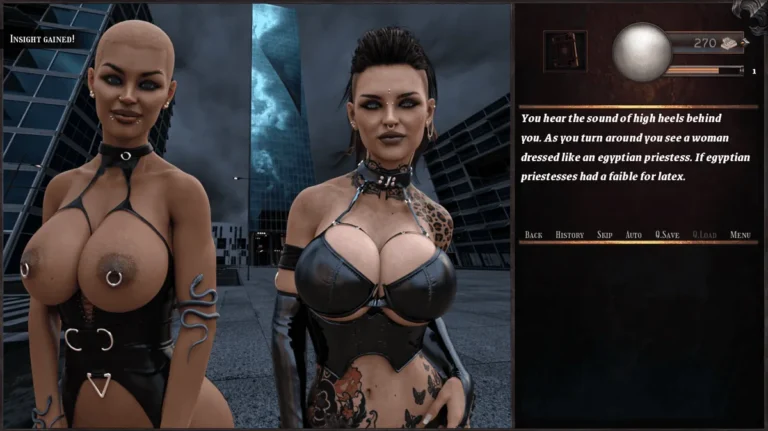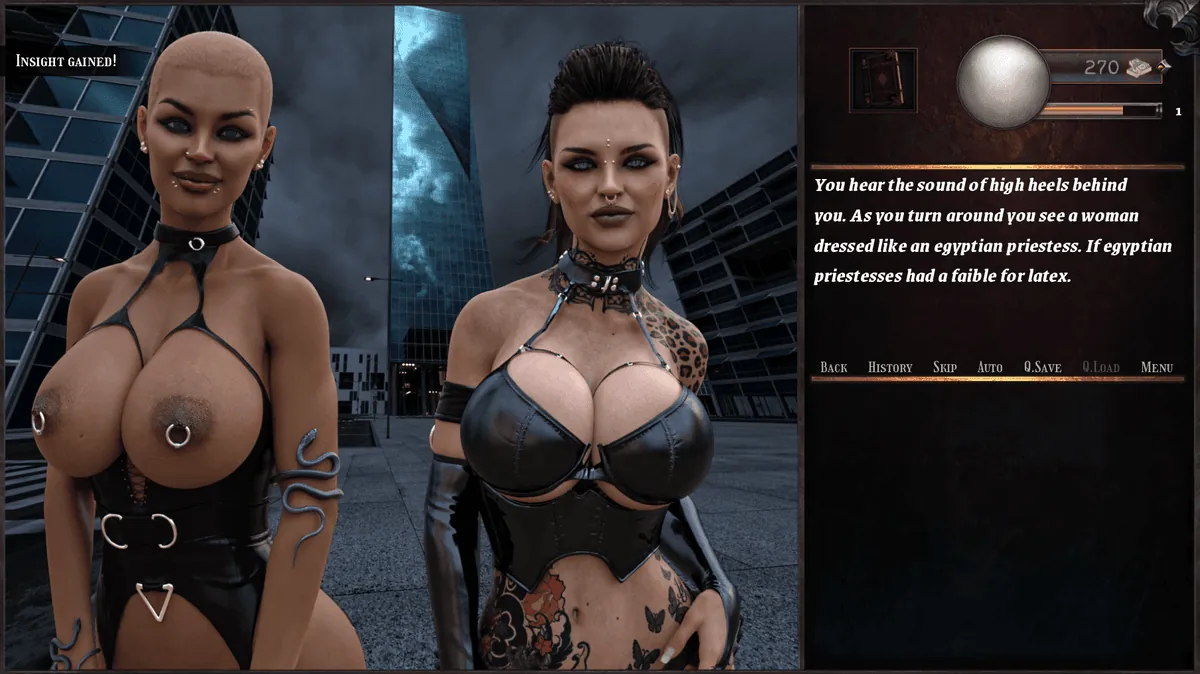
The Shadow over Blackmore
Play The Shadow over Blackmore
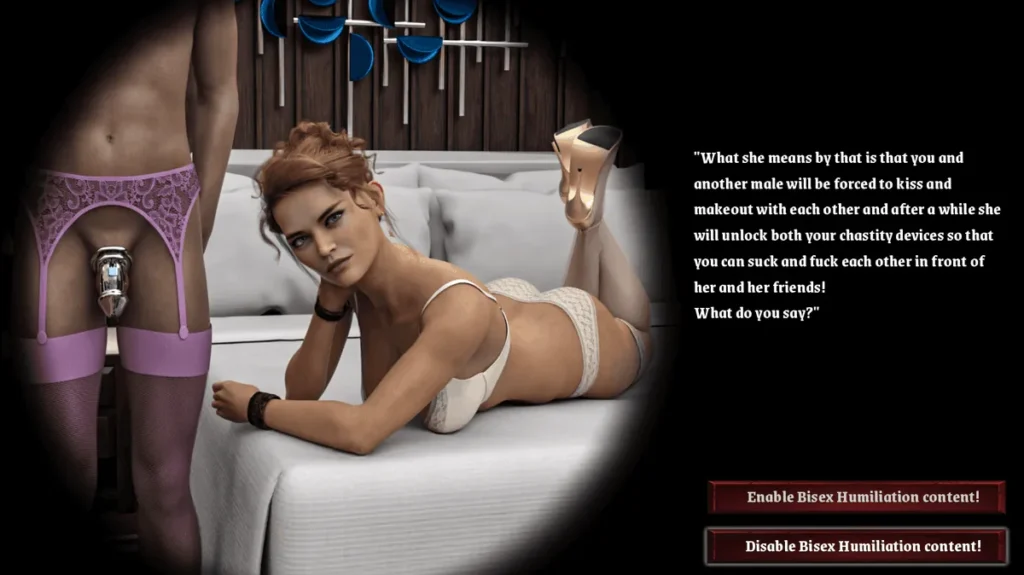
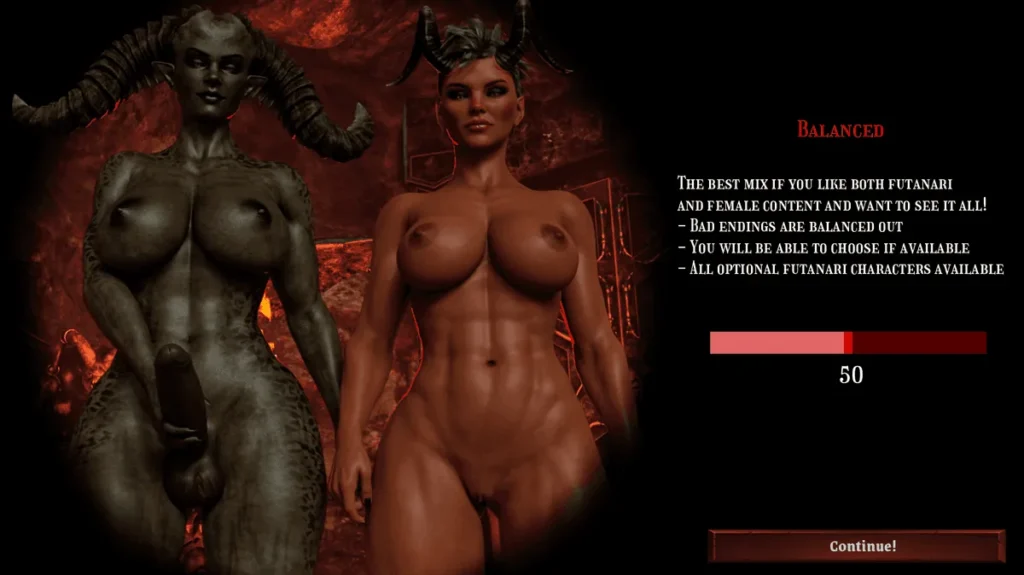
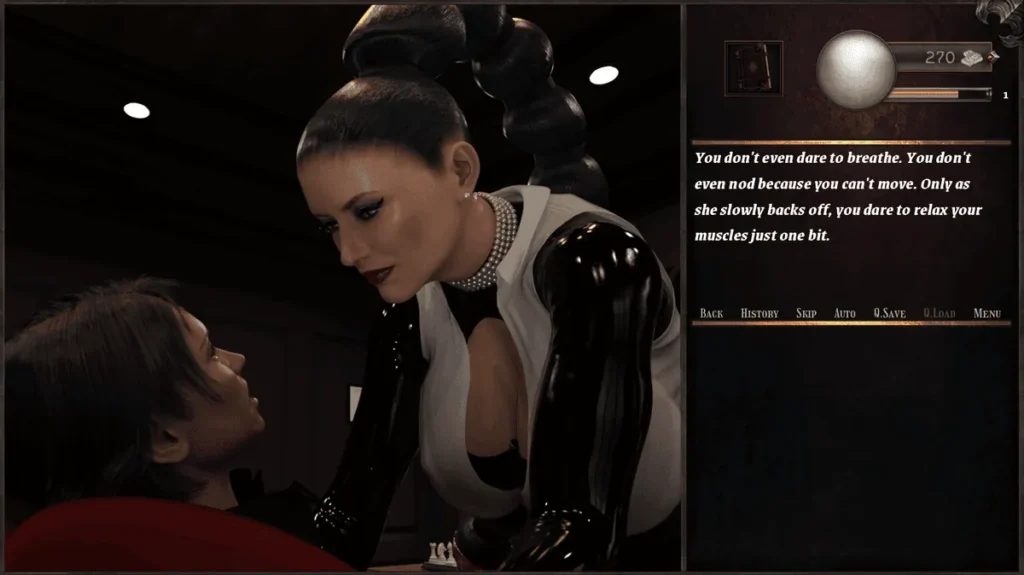
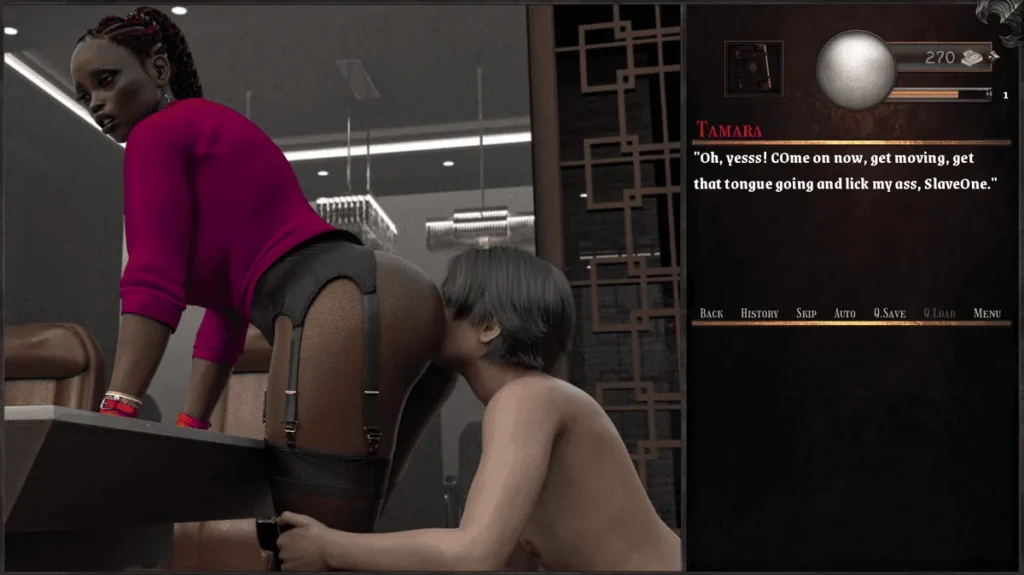
The Shadow over Blackmore Screenshots
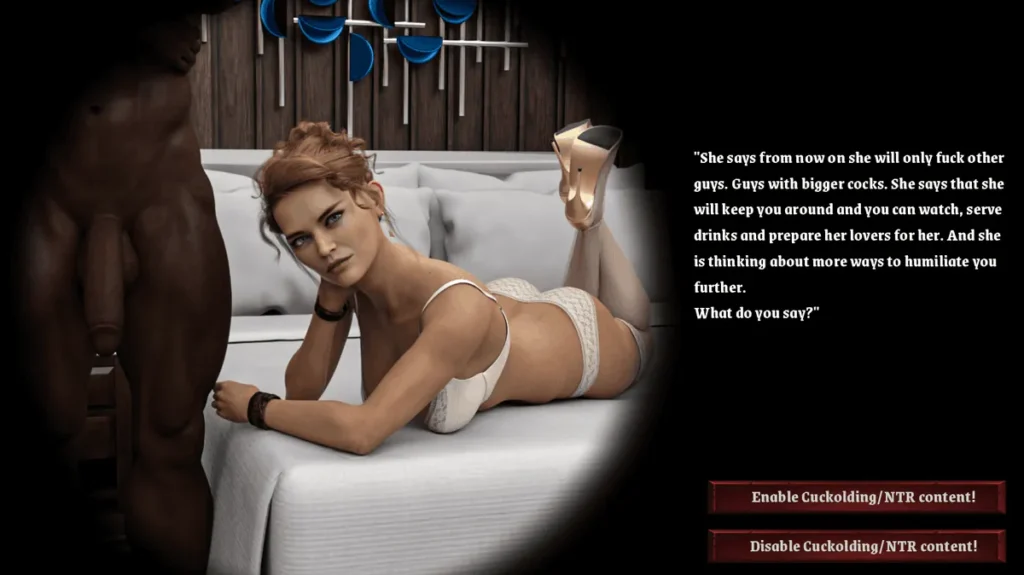
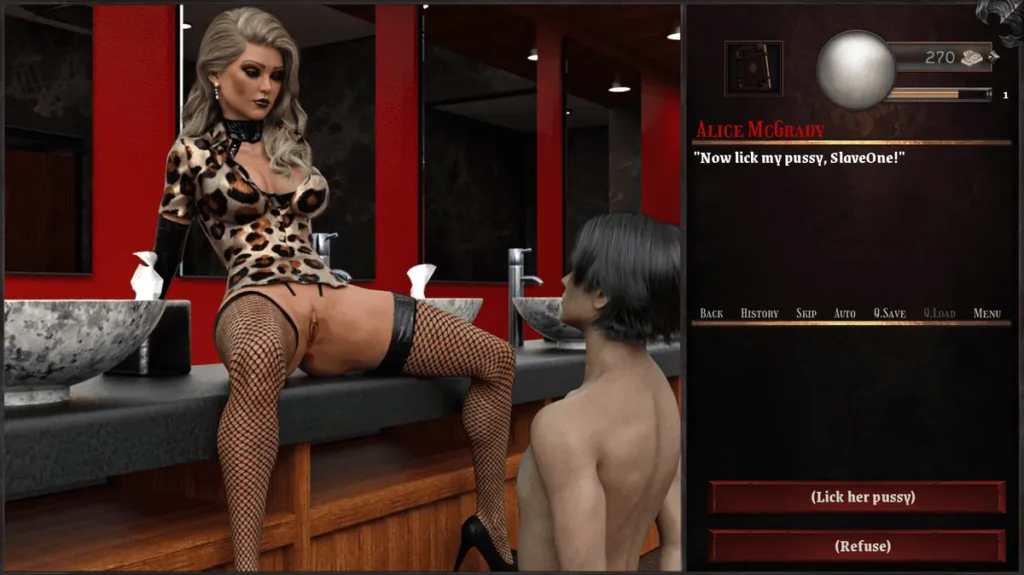
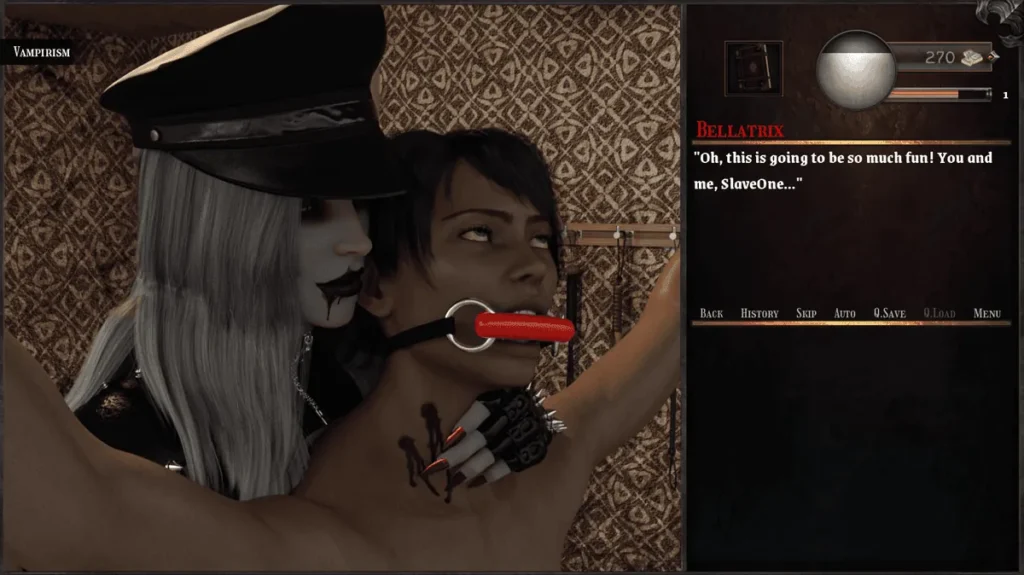
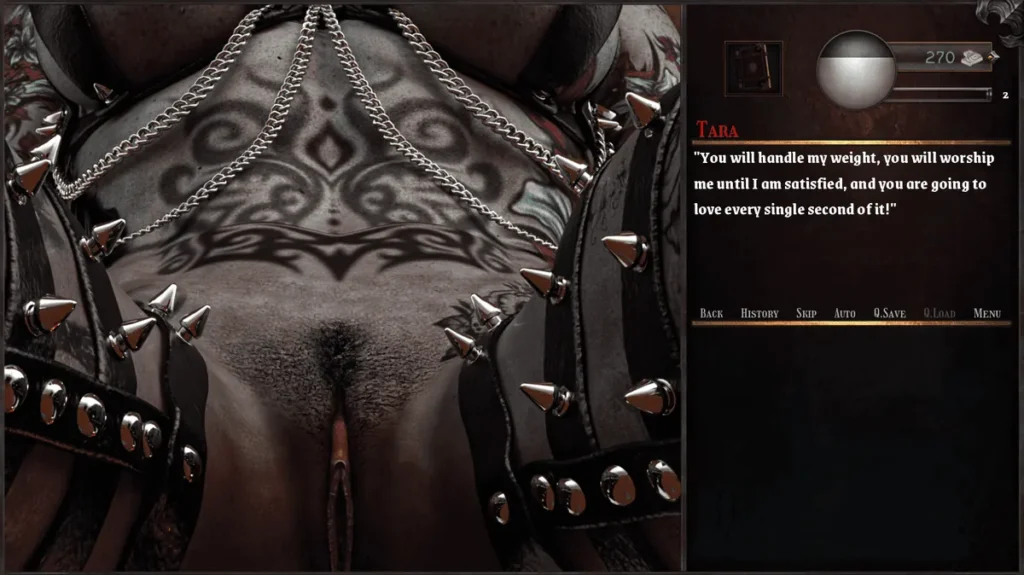
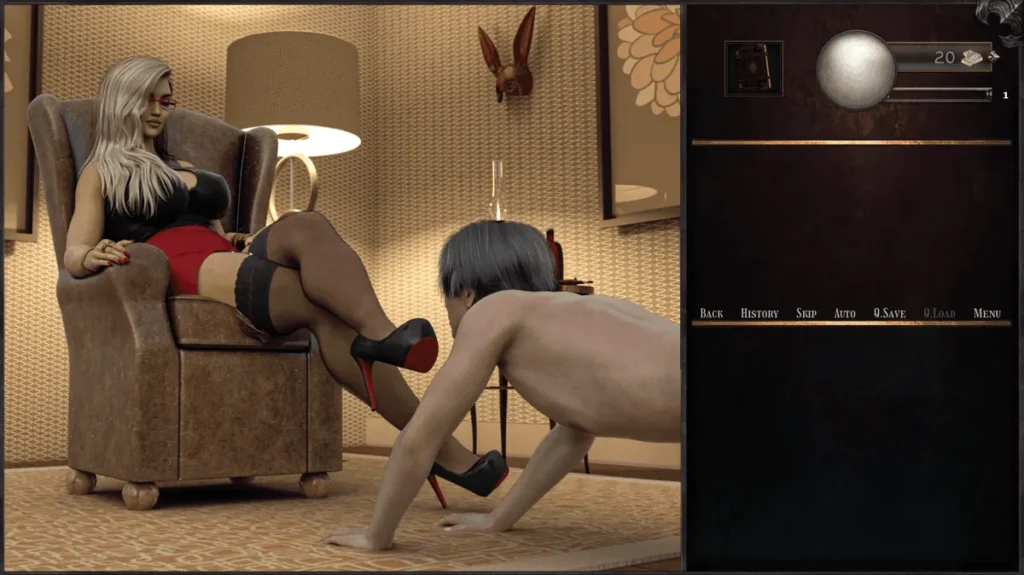
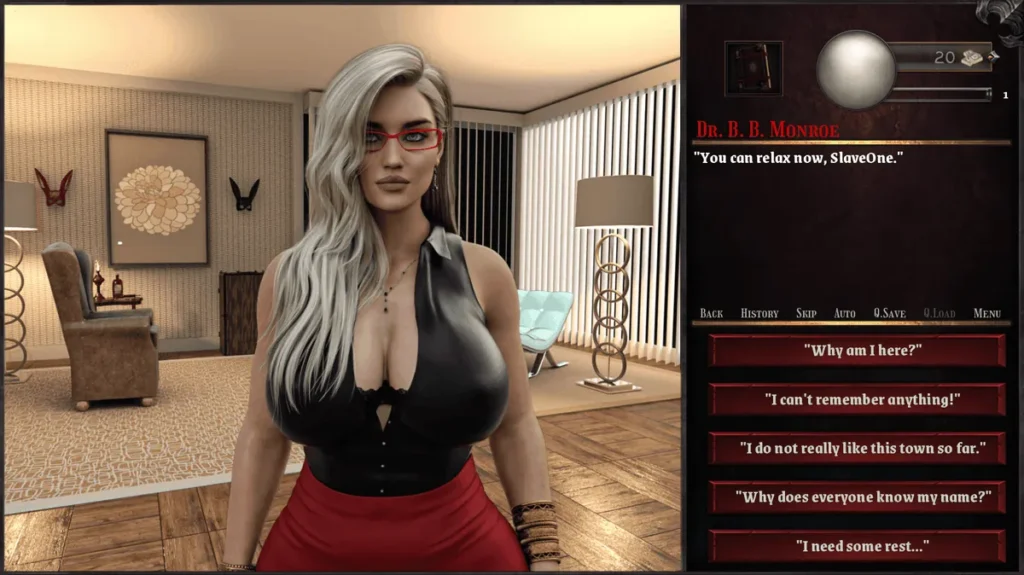
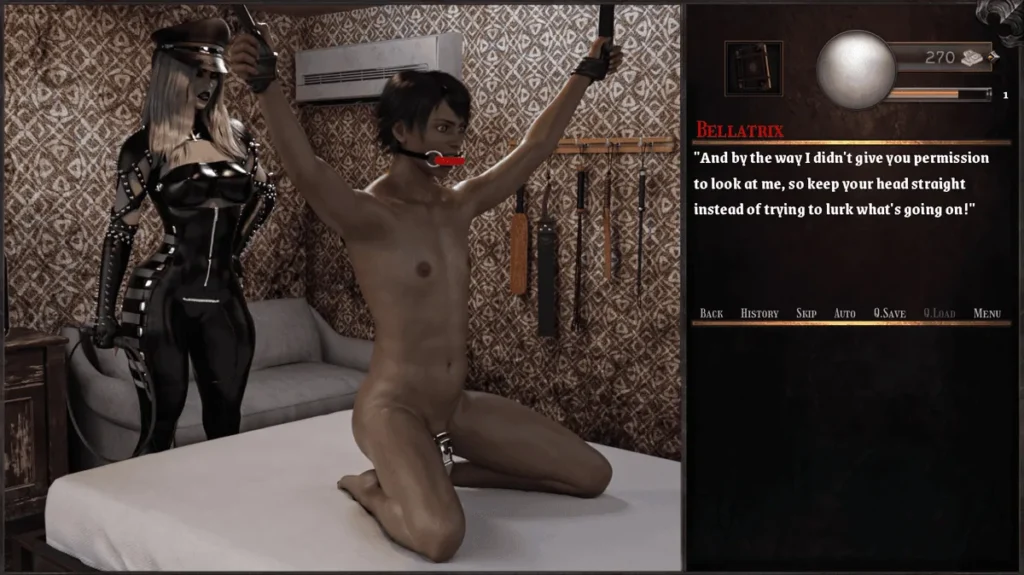
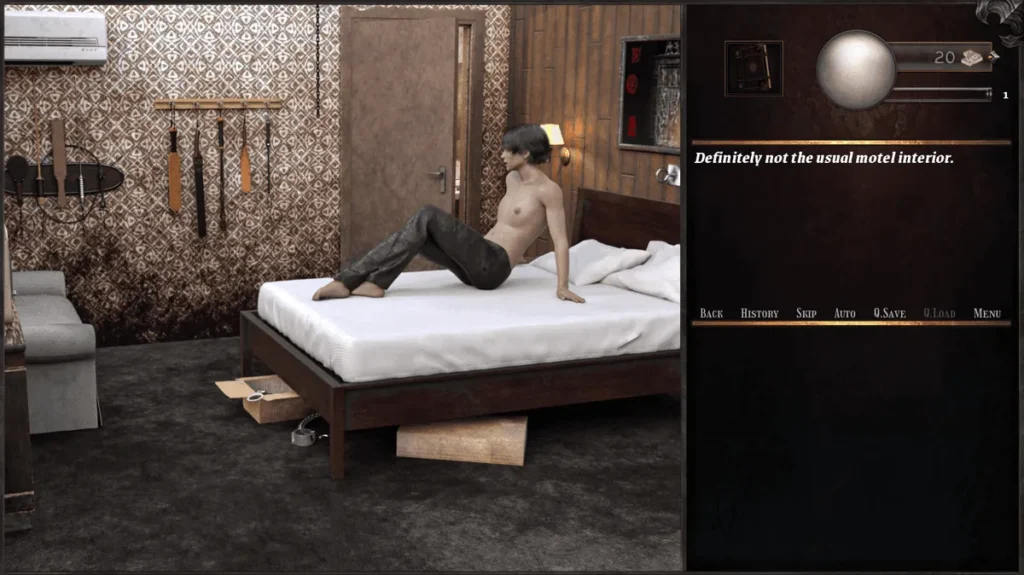
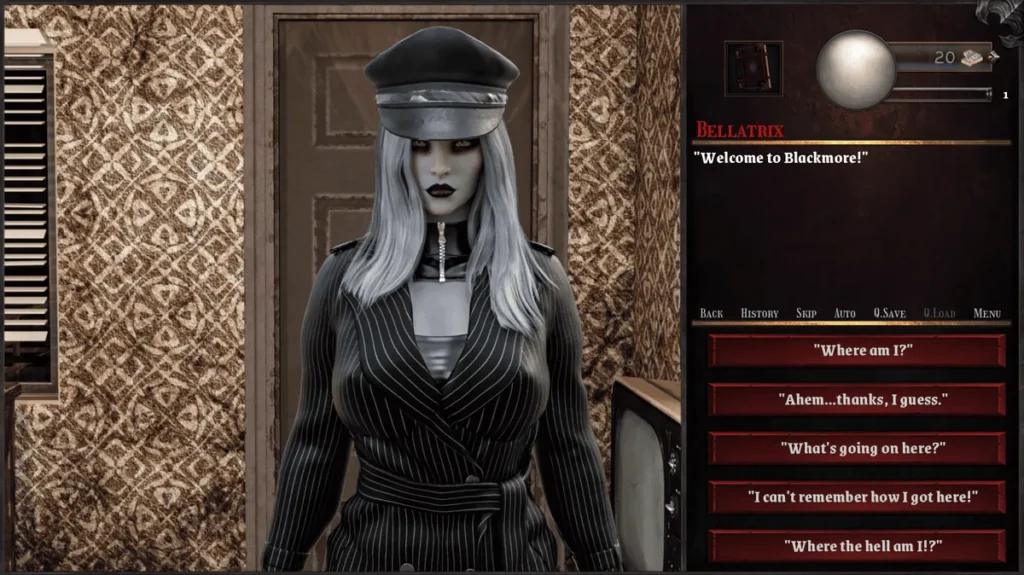
The Shadow over Blackmore review
Explore the dark narrative, gameplay mechanics, and player choices in this mature adventure experience
The Shadow over Blackmore stands out as a distinctive entry in the mature adventure gaming landscape, offering players a complex narrative experience wrapped in atmospheric storytelling. This game delivers a unique blend of choice-driven gameplay, psychological depth, and character-driven narratives that appeal to players seeking substantive, adult-oriented entertainment. Whether you’re curious about the game’s mechanics, story progression, or thematic elements, this guide provides everything you need to understand what makes this title compelling for its target audience. Discover the intricate systems, narrative branches, and gameplay features that define this experience.
Understanding The Shadow over Blackmore: Core Gameplay and Features
Ever picked up an adventure game, excited for a deep, personal journey, only to find you’re just a tourist clicking through someone else’s rigid story? 😩 I’ve been there. You make a “choice,” but it feels cosmetic, a slight detour on a railroad track leading to the same destination. That was my biggest fear jumping into The Shadow over Blackmore—another beautiful but ultimately passive experience. Let me tell you, I was gloriously wrong.
This isn’t just another point-and-click mystery. The Shadow over Blackmore gameplay throws out the old rulebook for adventure titles. It’s a dense, atmospheric, and fiercely intelligent interactive storytelling game that trusts you, the player, with profound responsibility. Your decisions aren’t just dialogue options; they are tectonic shifts that reshape the world, relationships, and your own character’s soul. If you’re craving a mature adventure game mechanics experience where your intellect and morals are constantly tested, you’ve found your next obsession. Let’s pull back the curtain on how this captivating, dark world truly functions.
What Makes This Game Unique in the Adventure Genre
At its heart, The Shadow over Blackmore is a choice-driven narrative game, but that label alone doesn’t do it justice. While most narrative games offer the illusion of choice, Blackmore engineers its entire world around the concept of consequence. It’s built for an adult audience not simply because of its themes—though it has those in spades—but because it demands an adult level of engagement, patience, and emotional investment.
So, what separates it from the pack? It’s the unflinching commitment to its own internal logic and maturity. This isn’t a game that shies away from complex, uncomfortable themes to appease a broad audience. It’s a slow-burn psychological thriller woven with cosmic horror elements, where the true monsters are often human, and the scariest moments happen in quiet conversations under the gloomy English sky. The adult-oriented game features aren’t about shock value; they’re about thematic depth, moral ambiguity, and narratives that deal with loss, obsession, guilt, and the fragile nature of sanity.
From the moment you step into the rain-slicked streets of the titular town, you’re given a remarkable degree of agency. You’re not just solving a mystery; you’re deciding what kind of person solves it. Are you a compassionate listener, peeling back layers of trauma to understand the townsfolk? Or a ruthless pragmatist, bulldozing through sentiment to uncover hard facts? The game systems support this entirely.
Here are the key gameplay features and mechanics you’ll engage with from the very start:
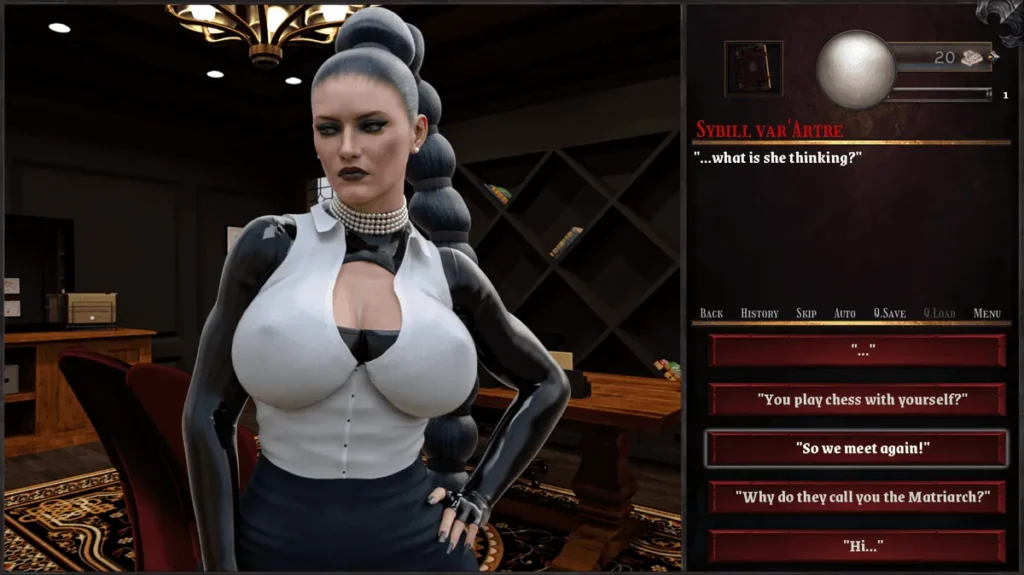
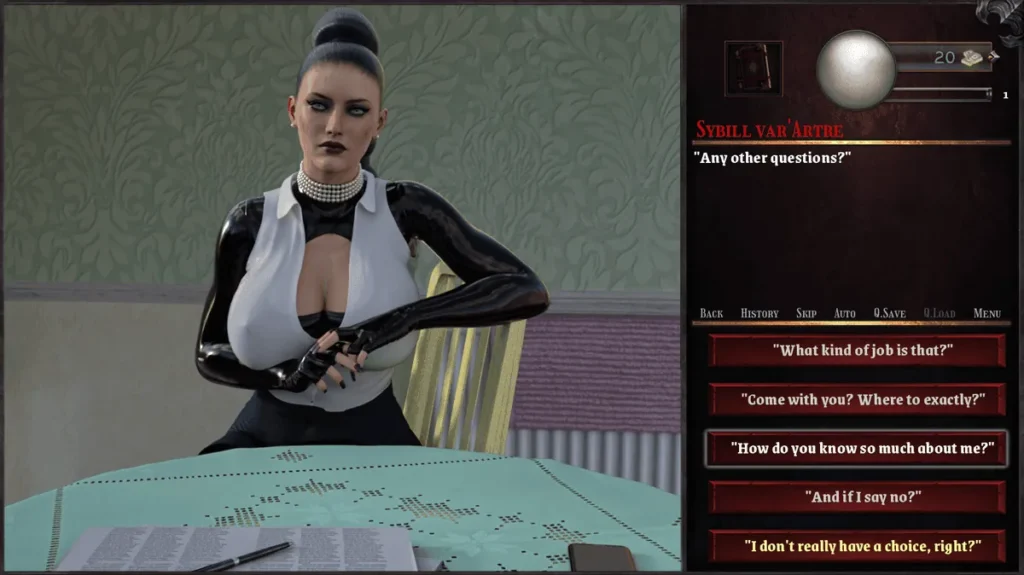
- The Dialogue Web: Forget linear dialogue trees. Conversations are organic webs. Topics you discover in one chat can be brought up in another, often with surprising results. Learning a secret about Character A gives you a powerful lever to use on Character B.
- The Trust & Fear System: 🧠 Relationships aren’t binary. Each major character has hidden meters tracking their trust in you and their fear of you. A kind act builds trust; a subtle threat might instill fear, which can be just as useful for extracting information. Balancing these is a constant, delicate dance.
- Exploration with Purpose: Every location is dripping with atmosphere and clues. Examining items doesn’t just give flavor text; it permanently adds key phrases and concepts to your “mental inventory,” which you can then use in conversations or to piece together theories.
- The Sanity Mechanic: Witnessing unsettling events or pursuing certain dark lines of inquiry will strain your character’s psyche. This can alter perception, opening up new dialogue options or causing hallucinations that might reveal hidden truths… or lead you astray.
To crystallize the difference, let’s look at how Blackmore contrasts with a more traditional adventure title:
| Feature | Traditional Adventure Game | The Shadow over Blackmore |
|---|---|---|
| Player Role | Puzzle-solver following a story. | Active protagonist shaping the narrative and their own identity. |
| Choices | Often lead to minor dialogue changes or are “correct/incorrect” for puzzles. | Have deep, cascading consequences on plot, relationships, and ending states. |
| Gameplay Focus | Inventory puzzles, environmental puzzles. | Social deduction, dialogue as a puzzle, moral decision-making. |
| Pacing | Often event-driven and action-packed. | Deliberate, atmospheric, and psychologically driven. |
The core loop of how does The Shadow over Blackmore work is this: Explore to find clues and characters → Use your growing knowledge in conversations to influence others → Your choices alter story paths and character states → New locations and story beats unlock based on your unique progression. It’s a deeply reactive system that makes every playthrough feel personal.
Narrative Structure and Player Agency
This is where The Shadow over Blackmore truly shines as a branching story adventure. The narrative isn’t a single thread with a few forks; it’s a vast, interconnected tapestry where pulling on one thread can unravel or reconfigure entire sections. I learned this the hard way on my first playthrough. I grew attached to a reclusive painter, Elias, and in trying to protect him from a harsh line of questioning, I withheld evidence. I thought I was being kind. Instead, my obstruction left a crucial cult ritual undiscovered until it was too late, leading to a character’s death I could have prevented. The game didn’t chastise me with a “Game Over” screen; it simply, tragically, played out the consequences of my chosen morality. That moment haunted me. 👻
The game achieves this through a sophisticated narrative engine. Key story beats are modular. Think of them not as chapters in a book, but as scenes in a play that can be rearranged, skipped, or altered based on your prior actions. Did you fail to gain the trust of the town archivist? Then an entire subplot about the town’s founding history, and the crucial clues within it, may never become available. Instead, you might have to rely on seedier, more dangerous sources in the dockside taverns, which opens up a completely different path filled with its own risks and rewards.
Player agency is total. You are constantly making choices that matter:
* Dialogue Choices: These range from subtle nuances in tone to major ethical declarations.
* Investigation Priorities: With limited time in-game (simulated through a clever narrative pacing system), you must choose which leads to follow. You cannot see everything in one run.
* Relationship Investment: Who you help, who you betray, and who you ignore directly shapes which allies you have in the final act.
* Personal Stance: How you respond to the supernatural elements—with scientific skepticism, occult fascination, or blind terror—changes how your character perceives events and what options are available.
My Tip: Don’t save-scum. The most powerful experiences in Blackmore come from living with your mistakes and seeing the story evolve in unexpected, often more narratively interesting, ways because of them.
The mature adventure game mechanics here are all in service of the story. The “Trust & Fear” system I mentioned earlier is a perfect example. In one case, I needed information from a terrified shopkeeper. Building trust would have taken multiple visits and favors I didn’t have time for. Instead, I subtly referenced a dark family secret I’d uncovered elsewhere. I watched his fear meter spike in the UI (a rare moment of explicit feedback), and he immediately coughed up the information I needed. It was effective, but it permanently changed our relationship, locking me out of his later help and making me feel like a bully. The game constantly makes you weigh immediate gain against long-term humanity.
Gameplay Mechanics and Interactive Elements
Let’s get practical. What do you actually do in The Shadow over Blackmore? If you’re imagining complex action sequences or intricate lock-picking minigames, think again. The primary interactivity is cerebral. The game masterfully uses its mechanics to deepen immersion and reinforce its themes.
Exploration is methodical and rewarding. The fixed-camera scenes are beautifully rendered, evoking a grim, painterly quality. Interacting with the world is your main source of information. When you inspect an object—say, a strange, weathered idol on a mantelpiece—you don’t just get a description. Your character internalizes it. The phrase “Weathered Idol of a Foreign God” gets added to your mental ledger. Later, when speaking to a professor of anthropology, you can bring it up. He might then tell you its specific origin, which in turn becomes a new phrase (“Cult of the Drowned Moon”) that you can use to confront a suspect. It’s a brilliant way of making the player feel like an investigator connecting dots.
The Dialogue System is the true core of The Shadow over Blackmore gameplay. It’s a vast, context-sensitive menu of topics, attitudes, and actions. The options available are dynamically filtered by what you know, who you’re talking to, and your current mental state. Here’s a breakdown of how different choices can ripple outwards:
| Your Action (Mechanics) | Immediate Result | Potential Long-Term Branching Effect |
|---|---|---|
| Share a discovered clue with an ally. | Gains their trust. Unlocks new dialogue about that clue. | They may act on that information independently, altering a future event. They might also betray that trust to another faction. |
| Accuse a character of lying based on evidence. | Could cause a confrontation, shutting down the conversation. | They become hostile, locking you out of their storyline. Or, if your evidence was ironclad, they may break down and confess, opening a darker, more confessional path with them. |
| Use an occult ritual (despite high sanity risk). | Might grant a vision of a past event, revealing a vital clue. | Permanently lowers your sanity threshold, making future hallucinations more common and severe. May attract the attention of otherworldly entities, changing the ending. |
The Sanity and Perception Mechanic is a stroke of genius. As your character’s sanity erodes, the world changes. Faint whispers might be heard in empty rooms, portraits might seem to watch you, and new, often disturbing, dialogue options can appear. In one of my most chilling moments, a high-stress encounter caused my character to momentarily perceive a friendly NPC as a grotesque monster. The dialogue option to “Attack the beast!” appeared, red and pulsating. I didn’t choose it, but the mere presence of that choice, born entirely from my gameplay decisions, was terrifying. It perfectly blurs the line between character knowledge and player knowledge.
This is the essence of its interactive storytelling game philosophy. The mechanics aren’t separate from the story; they are the story. Your progression isn’t measured in experience points or skill levels, but in the depth of your understanding, the complexity of your relationships, and the toll the investigation takes on your virtual—and your own—psyche. It’s a demanding, deeply rewarding form of branching story adventure that respects your intelligence and leaves its mark long after you’ve seen the credits roll.
FAQ: Your Questions on Blackmore’s Gameplay, Answered
Q: How long is a typical playthrough, and is there replay value?
A: A single, thorough playthrough can take 12-15 hours. The replay value, however, is enormous. Because of the choice-driven narrative game design, a second playthrough can feel wildly different. New story arcs, character outcomes, and at least four radically distinct endings are possible, making it worth revisiting to see how different choices reshape the branching story adventure.
Q: Are the choices really meaningful, or do they just change the ending?
A: The choices are profoundly meaningful throughout the entire experience. They determine which characters you meet, which locations you can access, how key story events unfold, and the fate of numerous townsfolk, all long before you reach the ending. The ending is the culmination of hundreds of smaller decisions.
Q: I’m not good at puzzles. Will I be stuck?
A: The “puzzles” in Blackmore are almost entirely narrative and social. There are no abstract logic puzzles or sliding block challenges. Getting “stuck” usually means you need to talk to more people, re-examine locations with new context, or think creatively about how to use the information in your mental inventory. It’s about deduction, not dexterity.
Q: How does the mature content manifest? Is it overly graphic?
A: The maturity is primarily thematic and psychological. It deals with adult concepts like trauma, guilt, and existential dread. While there can be moments of violence, they are often stylized and less about graphic detail and more about horrific implication. The most disturbing content usually comes from the implications of the story and your own choices.
Q: Can I “fail” the game or get a bad ending easily?
A: You cannot fail in a traditional sense. The story always moves forward based on your actions. There are certainly endings that are tragic, bleak, or horrifying, but they are narrative conclusions, not failures. The game is about experiencing the consequences of your path, not “winning” in a conventional way. This is a key part of understanding how does The Shadow over Blackmore work—it’s a story simulator, not a challenge to be beaten.
The Shadow over Blackmore represents a distinctive approach to mature adventure gaming, prioritizing narrative depth and player agency within an adult-oriented framework. The game’s strength lies in its commitment to meaningful choices, complex character interactions, and thematic storytelling that respects its audience’s sophistication. For players seeking an experience that treats mature themes with narrative substance rather than superficial content, this title offers a compelling journey. Whether you’re drawn to choice-driven narratives, character-focused storytelling, or exploring how games handle adult themes thoughtfully, The Shadow over Blackmore delivers a distinctive experience worth exploring. Dive into this game with an open mind and discover why it resonates with players who appreciate substantive, mature-oriented interactive entertainment.