
The Silver Lining
Play The Silver Lining
The Silver Lining Screenshots



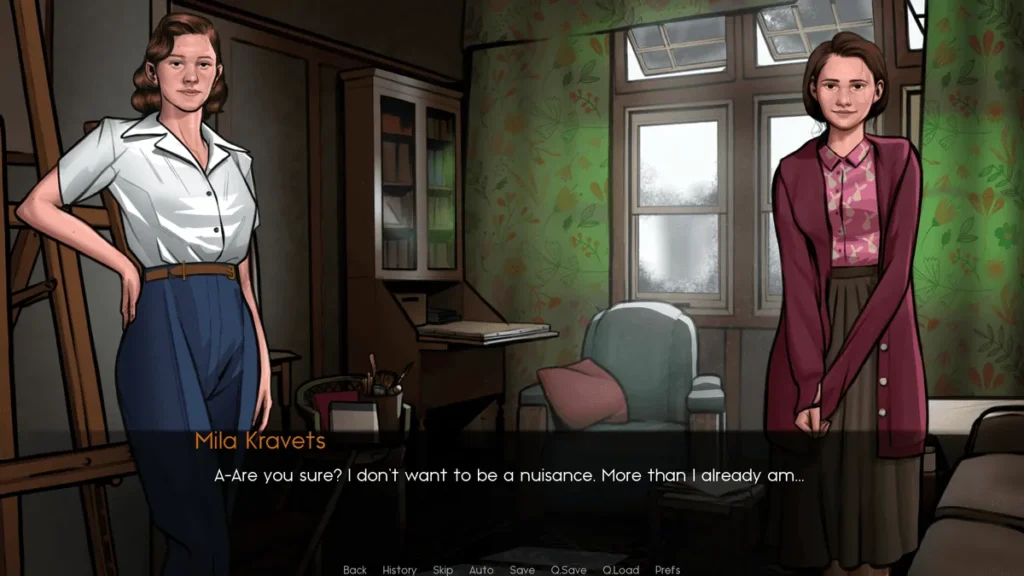

The Silver Lining review
Discover immersive adventures and thrilling mechanics in this captivating interactive experience
Ever stumbled upon a game that hooks you from the first scene with its blend of storytelling and steamy encounters? That’s ‘The Silver Lining’ for you – an adult interactive title that’s got players raving about its engaging narrative and high-quality visuals. I remember my first playthrough; I was up till dawn, completely lost in the choices that shaped every intimate moment. In this guide, we’ll dive deep into what makes ‘The Silver Lining’ stand out in the adult gaming world, from core mechanics to tips for maximum enjoyment. Whether you’re new to these experiences or a seasoned explorer, stick around to uncover why this game delivers pure escapism.
What Makes The Silver Lining an Adult Gaming Must-Play?
I still remember the night I stumbled upon The Silver Lining. I was browsing, feeling a bit disillusioned with games that promised mature stories but delivered little more than shallow interactions. Then, I clicked. Two hours later, I realized I hadn’t moved from my chair, completely captivated by a narrative that had more emotional hooks than most movies I’d seen that year. That’s the magic of this experience. It’s not just another title; it’s a masterclass in how to craft a compelling, choice-driven world for a grown-up audience. If you’re looking for a silver lining game that truly respects your intelligence and time, you’ve found it. 🎮
Let’s dive into what makes this interactive story an absolute must-play.
How Does the Storyline Draw You In?
From the very first scene, The Silver Lining establishes a mood that is both intimate and epic. You step into the shoes of Alex, a photographer returning to your coastal hometown after a decade, a place haunted by both beautiful memories and a past tragedy. This isn’t a simple tale of nostalgia; it’s a web of rekindled relationships, buried secrets, and personal redemption.
What gripped me immediately was the authenticity of the characters. Your childhood friends—like the driven marine biologist Maya and the charming, troubled artist Leo—feel like real people. Their dialogues are layered with subtext, and your history with them isn’t just backstory; it’s a living, breathing thing that affects every interaction. The silver lining gameplay is fundamentally about navigating these complex bonds. The story expertly balances slower, reflective moments of conversation with genuine tension and mystery, creating a pace that feels natural and utterly absorbing.
The narrative branches not with a sledgehammer, but with a scalpel. A seemingly offhand comment about someone’s family, choosing to pursue a clue alone or with a partner, or deciding how to comfort a friend in crisis—all of these quietly steer the trajectory of your relationships and the overarching mystery. This ensures that your version of Alex’s journey feels uniquely yours, making the the silver lining adult game standout for its narrative depth. It’s a story about finding light in dark places, and you are the one holding the lantern.
Key Visuals and Animation Highlights?
If the story is the heart of The Silver Lining, then its silver lining visuals are the soul. This is a stunning game to look at. The art style walks a perfect line between realistic and stylized, giving characters incredibly expressive faces where you can see every flicker of doubt, joy, or longing. 👁️✨
The environments are characters themselves. The sleepy harbor with its glinting evening lights, the cozy, book-filled interior of the old lighthouse, the storm-battered cliffs—each location is painted with such atmospheric detail that you can almost smell the salt in the air. These backgrounds aren’t just pretty pictures; they’re immersive sets that deepen the emotional tone of every scene.
Animation is where the game truly shines. The character movements are fluid and natural, especially during key interactive moments. A touch on the arm, a hesitant step forward, a shared glance that lasts a beat too long—these are animated with a care that bypasses the “uncanny valley” and lands directly in “I feel that.” This attention to detail is crucial for selling the romantic and dramatic beats, making the best silver lining scenes incredibly powerful. Whether it’s a tense confrontation under the lighthouse beam or a quiet, vulnerable moment on the pier, the visual presentation pulls you right into the screen.
Why Player Choices Feel So Impactful?
Many games boast about choice, but in The Silver Lining, you feel the weight of every decision. This is the core of the silver lining gameplay loop and what creates such incredible replay value. Your silver lining choices don’t just add points to a hidden meter; they actively reshape the narrative landscape.
The game employs a brilliant system of “relationship threads.” Think of each major character having not just a friendship or romance meter, but a unique color of thread connecting you to them. Your decisions strengthen, weaken, or permanently alter these threads. Choosing to support Maya’s ambitious career move might strengthen your bond with her but introduce tension with Leo, who feels you’re encouraging her to leave. The game tracks these nuances, leading to payoffs chapters later that feel earned, not random.
For example, in my first playthrough, I played Alex as cautious and protective, always trying to shield friends from the painful past. This led to a “Bittersweet Return” ending where the core mystery was solved, but I had kept everyone at an emotional arm’s length. On my second run, I chose honesty and vulnerability, even when it risked conflict. This unlocked completely new, intimate scenes and culminated in a “Healed Shores” ending that was profoundly more satisfying. This is how to play silver lining correctly: with your heart, not with a guide open. Your instincts matter.
To give you a clearer picture of how choices weave through the experience, here’s a breakdown of major scene types:
| Scene Type | Choice Impact Level | Typical Length | Replay Value |
|---|---|---|---|
| Romantic Development | High | Medium | Extreme (Paths diverge sharply) |
| Mystery & Adventure | Medium to High | Long | High (Different clues & outcomes) |
| Key Emotional Moments | Very High | Variable | Extreme (Define relationship endings) |
My biggest piece of actionable advice? Embrace the blind first playthrough. Don’t save-scum to try for a “perfect” run. The emotional impact of The Silver Lining comes from living with your decisions, good and bad. Then, replay it from the start to explore a different personality for Alex. You’ll be amazed at how much new dialogue, scenes, and outcomes you discover. This design is why it outperforms similar titles—it doesn’t just offer different endings; it offers different journeys.
The silver lining game ultimately succeeds because it trusts its audience. It trusts you to care about subtle writing, to appreciate visual storytelling, and to want choices that resonate beyond a simple “good or evil” binary. It’s a captivating interactive experience that stays with you long after the credits roll, proving that the most adult thing about a game can be the depth of its feeling. 🌅
Pro Tip: When you replay, use the “Skip Read Text” feature to breeze through scenes you’ve seen, but keep the audio on. Often, a different choice will trigger new voice lines in otherwise familiar conversations, which is a fantastic detail.
Frequently Asked Questions
Q: How many completely different story branches are there?
A: While there are dozens of smaller variations, there are four to five core narrative branches that lead to significantly different endings. These are defined by your primary relationship path and how you resolve the central town mystery.
Q: Are the visual scenes worth it from a storytelling perspective?
A: Absolutely. In The Silver Lining, these moments are treated as narrative crescendos. They are direct results of your relationship building and character choices, serving as emotional payoffs rather than isolated features. They are integral to the best silver lining scenes for character development.
Q: Any tips for a first-time player?
A: Go in blind and role-play! Decide who your Alex is at the start—are they sarcastic, warm, guarded, or impulsive? Stick to that personality for your choices. Also, talk to everyone multiple times; dialogues often update after major events with new, important options.
There you have it – ‘The Silver Lining’ isn’t just another title; it’s a gateway to personalized adventures packed with tension, beauty, and satisfaction. From its gripping story to those game-changing choices, it keeps you coming back for more, just like it did for me during late-night sessions that turned into all-nighters. If you’re craving an interactive experience that blends narrative depth with exhilarating moments, dive in today. Grab your copy, experiment with paths, and share your favorite outcomes in the comments – what’s your go-to ending? Your next obsession awaits.