The Theater of Sinners
Play The Theater of Sinners
The Theater of Sinners Screenshots
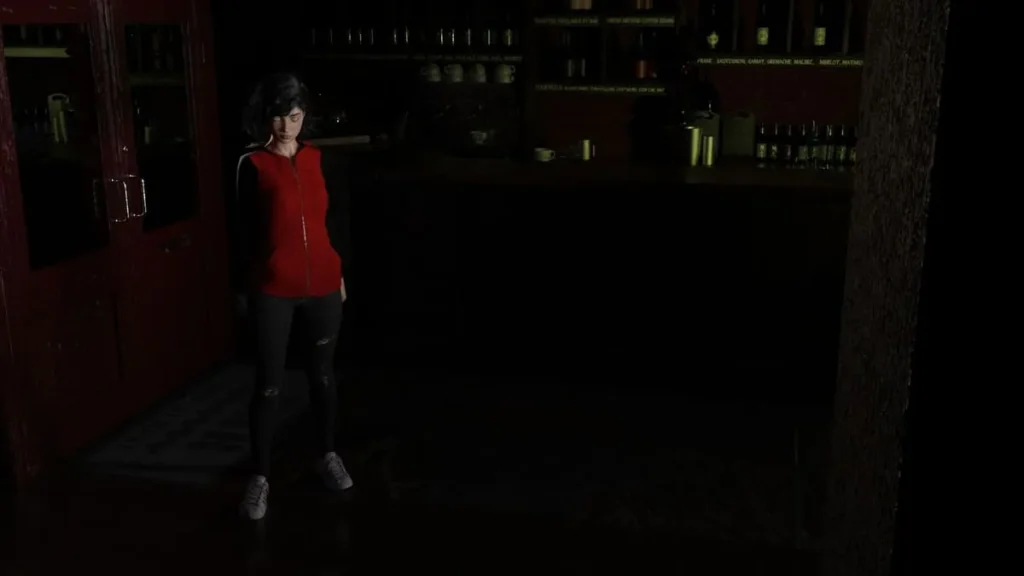
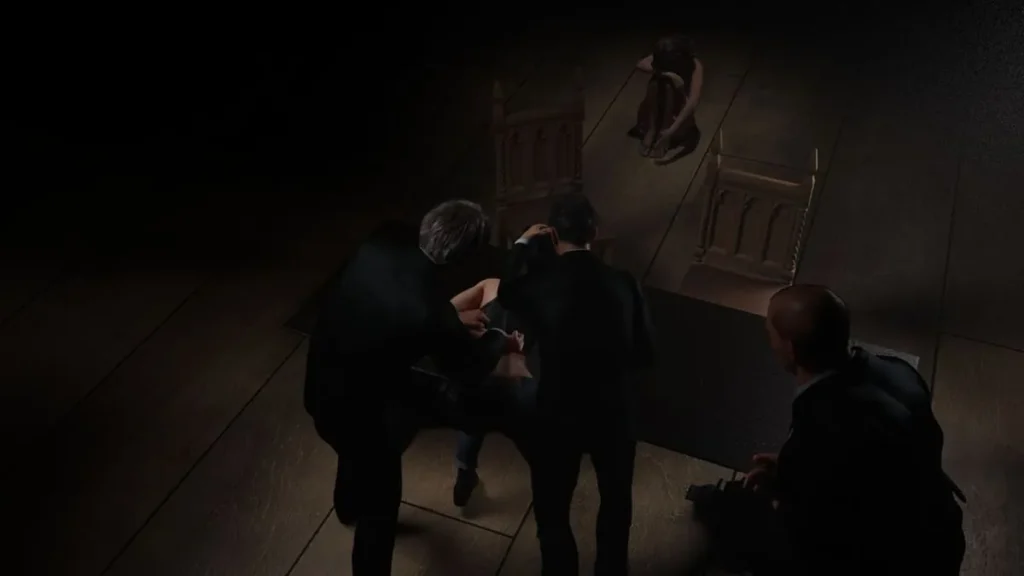
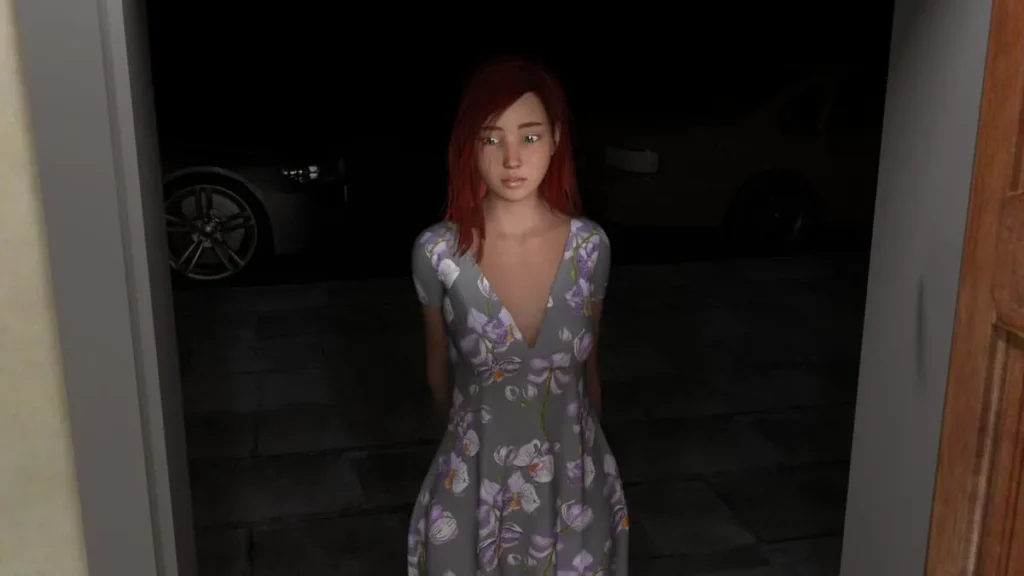
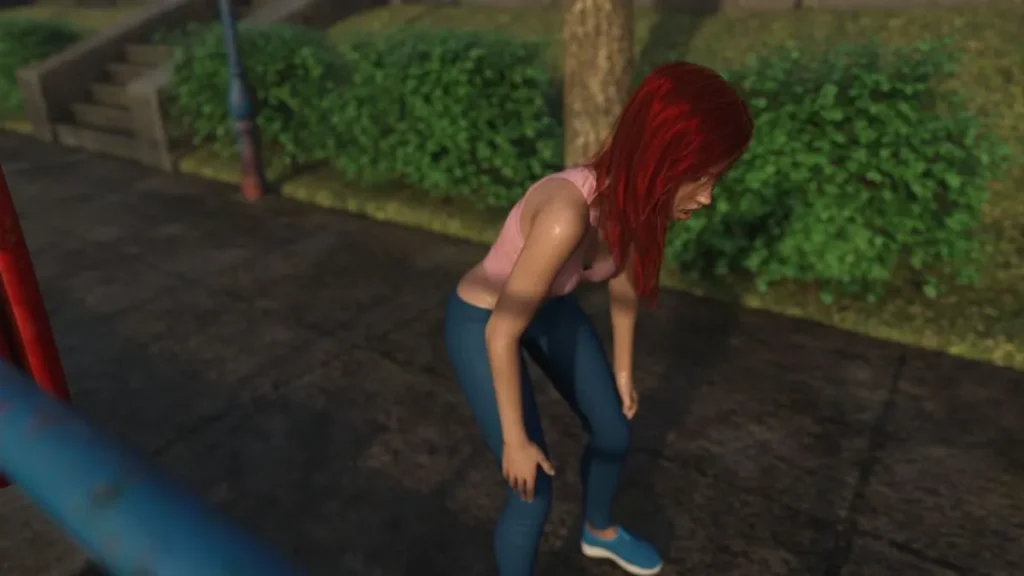
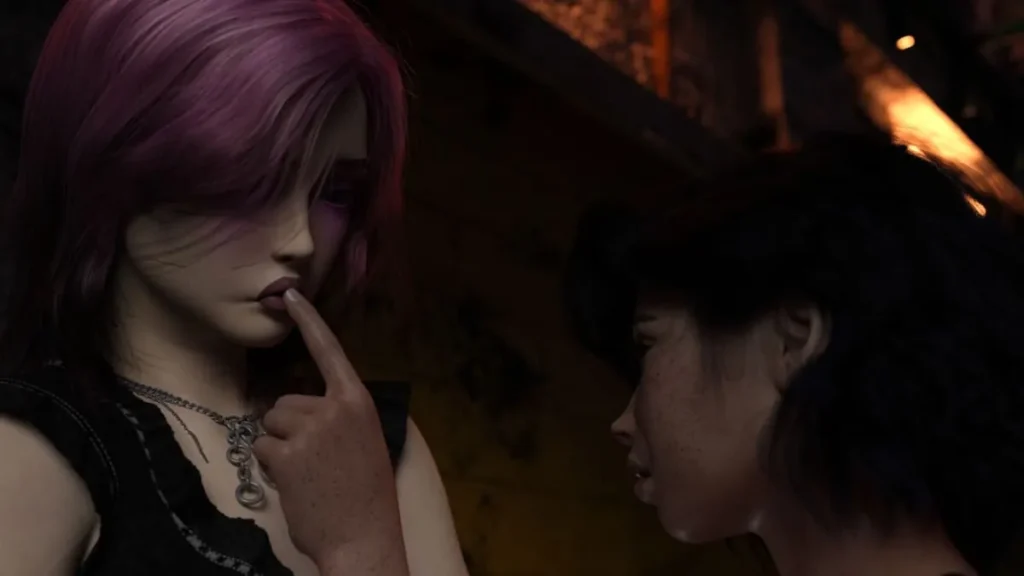

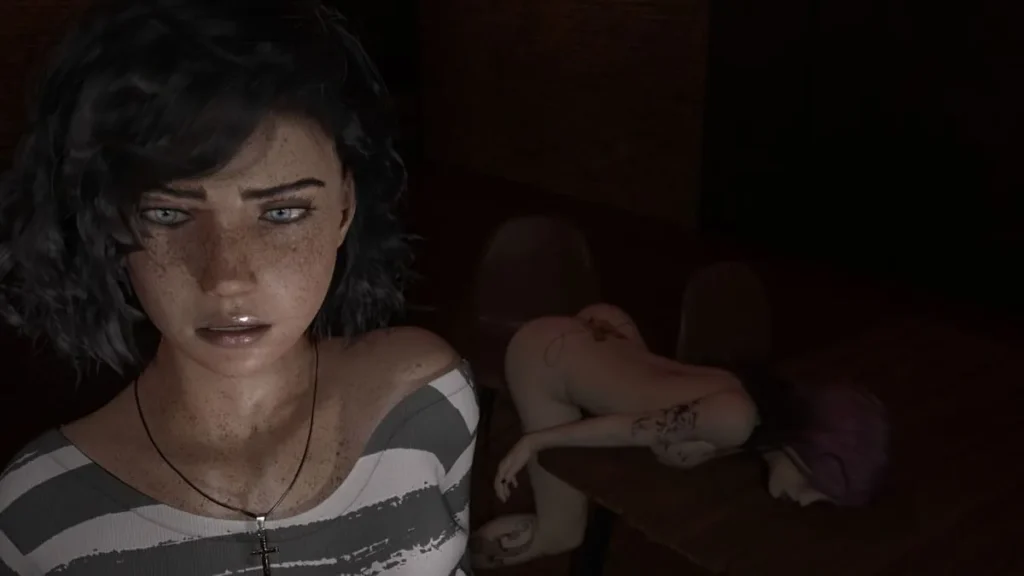


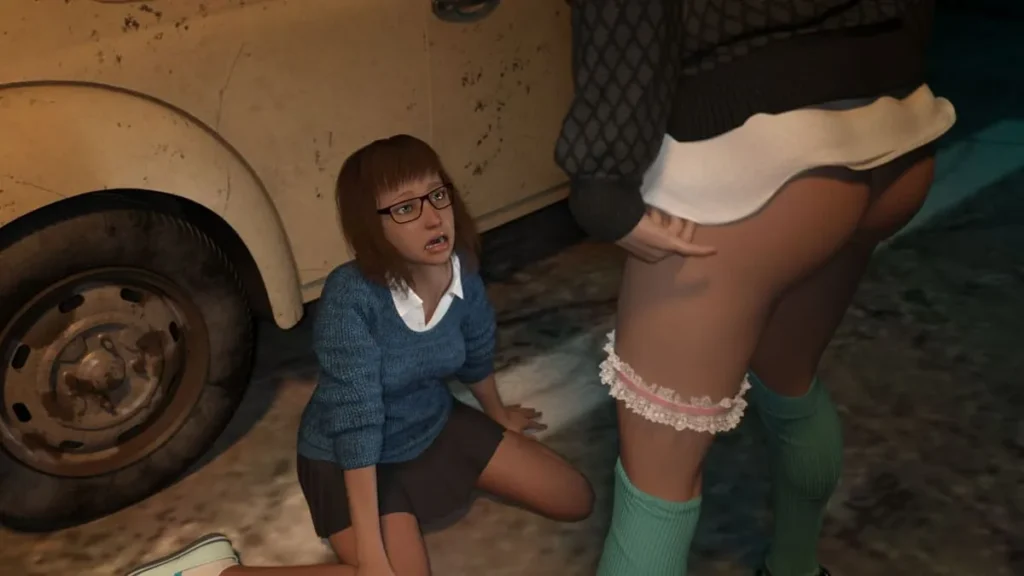
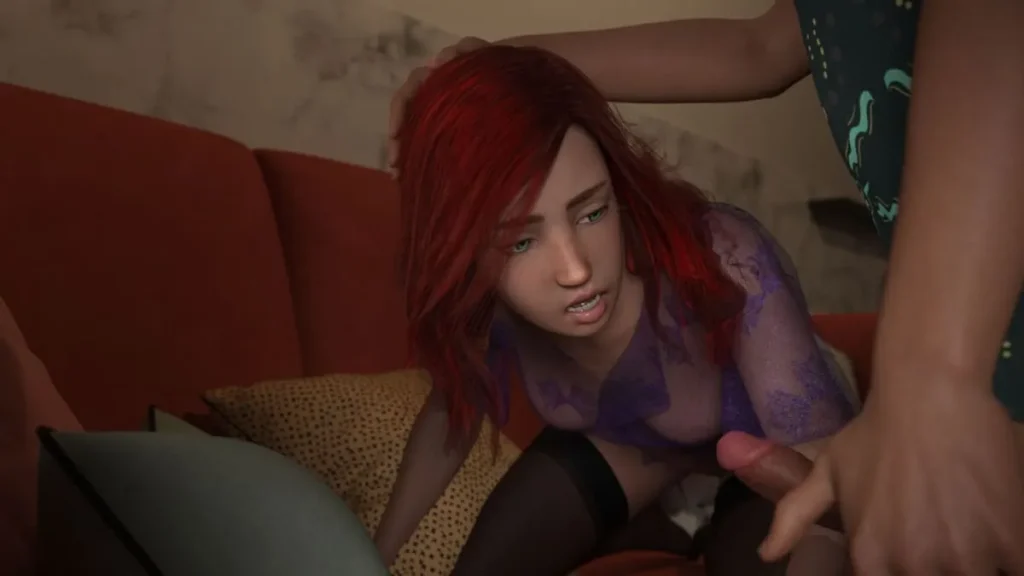
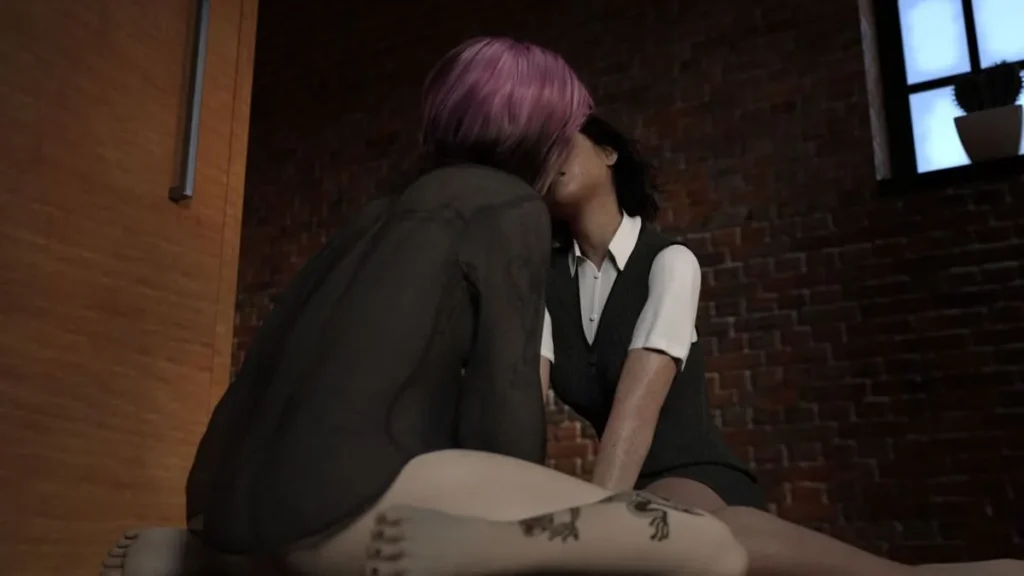
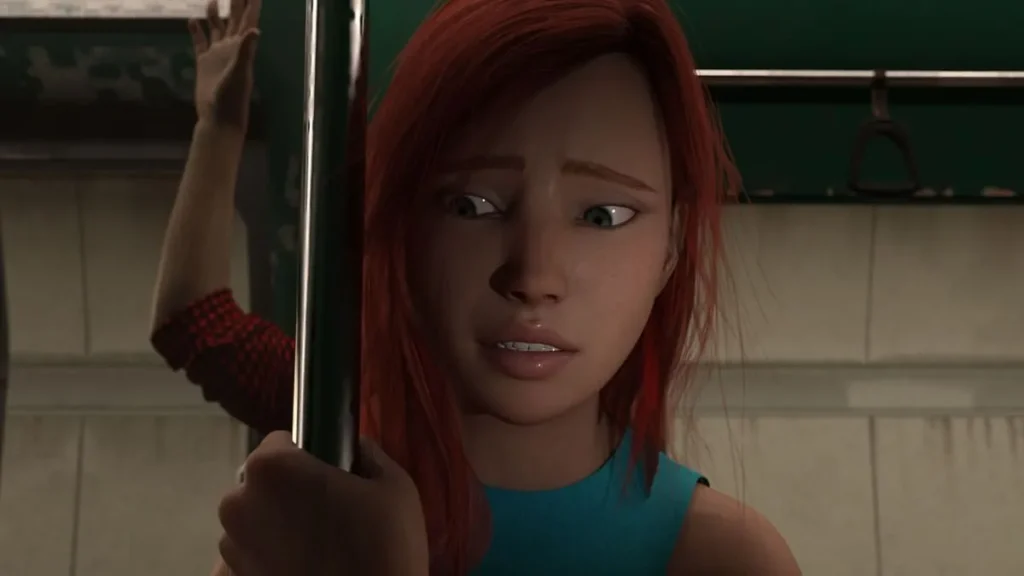


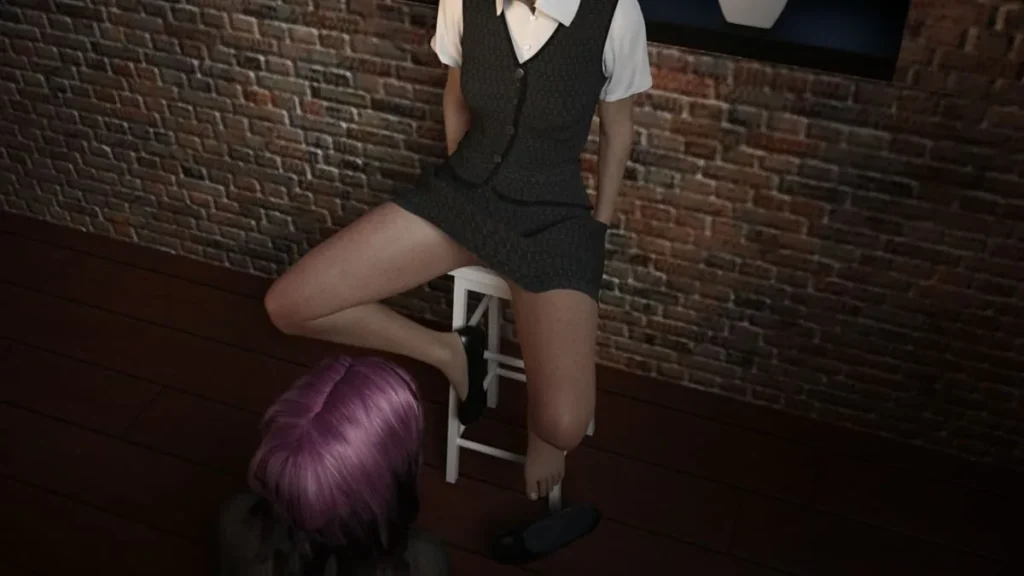
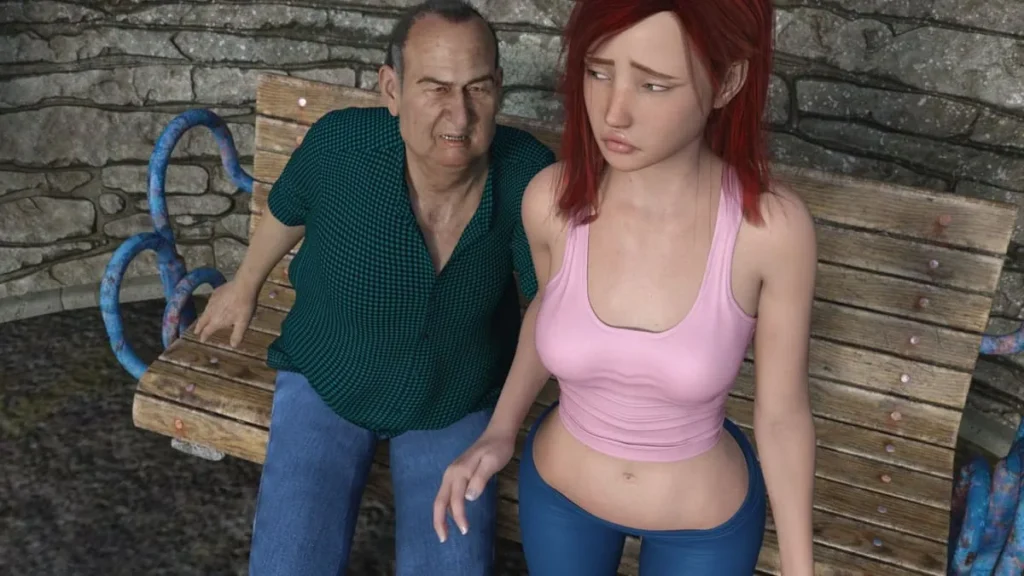
The Theater of Sinners review
Exploring the narrative complexity, character development, and decision-driven gameplay of this adult visual novel
The Theater of Sinners stands out as a decision-driven visual novel that prioritizes narrative depth and psychological complexity over traditional gameplay mechanics. Developed by JustXThings and currently in version 0.3 Alpha 1, this adult psychological fantasy horror story has captured the attention of players seeking morally ambiguous narratives with meaningful consequences. Unlike conventional games with clear good and evil paths, The Theater of Sinners presents a world where choices feel genuinely human, and outcomes remain unpredictable. Whether you’re drawn to character-driven plots, atmospheric storytelling, or interactive narratives that challenge your moral judgments, understanding what makes this game unique can help you decide if it aligns with your gaming preferences.
Understanding The Theater of Sinners: Core Gameplay and Narrative Structure
So, you’ve clicked on a game called The Theater of Sinners. The art is striking, the description hints at dark, psychological depths, and you’re curious. But what exactly are you getting into? 🤔 Is it a point-and-click adventure? A dating sim with monsters? A kinetic novel where you just watch?
Let me clear that up right away: this is a psychological fantasy horror game that lives and breathes as a character-driven narrative game. Forget leveling up a sword or solving environmental puzzles. Your primary tool here is your empathy, your judgment, and your willingness to make tough calls. The Theater of Sinners gameplay is about steering souls through a labyrinth of trauma, desire, and supernatural consequence. It’s an interactive storytelling experience that demands you lean in, not just zone out.
In this chapter, we’re pulling back the velvet curtain to understand the core machinery of this haunting tale. We’ll explore what sets it apart, how your choices truly matter, and meet the fractured souls at its heart.
What Makes This Visual Novel Different From Traditional Games
If you’re coming from traditional RPGs or action games, the first thing you’ll notice is the shift in priority. Most games are built on a loop of challenge and reward—defeat enemies to get stronger to defeat bigger enemies. The Theater of Sinners flips this script entirely. Its core loop is choice and consequence.
Think of it less as a “game” in the conventional sense and more as a participatory novel where you hold the pen. The developer themselves framed it as a creative act, akin to drawing or writing a book—a medium for a specific, adult story. This means the “gameplay” isn’t about testing your reflexes or problem-solving skills; it’s about testing your morality, your understanding of the characters, and your tolerance for ambiguity. 😨
The structure is deliberately non-linear. You won’t follow a straight path from Chapter 1 to Chapter 10. Instead, the story unfolds in fragments, through frequent flashbacks and interleaved perspectives. You might be navigating a tense, supernatural present moment in one scene, and then be thrown into a poignant, life-defining memory in the next. This mirrors how trauma works—it’s not a tidy narrative, but a series of intrusive echoes that shape the present.
This approach makes The Theater of Sinners gameplay profoundly intimate. You’re not an external hero saving the day. You are a silent witness and director, peering directly into the characters’ minds and pasts. The horror here isn’t just about jump scares or grotesque imagery (though that has its place); it’s the raw, psychological horror of broken people making desperate, sometimes terrible, choices to survive or feel something—anything—again.
The Decision-Based Mechanics That Drive the Story
Now, let’s talk about the engine of this experience: the visual novel decision mechanics. This is where the “interactive” in interactive storytelling experience comes to life. You won’t find complex mini-games or inventory management. Your interaction is almost exclusively through dialogue and narrative choices.
But don’t be fooled by the simplicity. This is a system of profound depth. Every significant choice you make does two crucial things:
- It Raises Character Stats: These aren’t stats for strength or intelligence. They are metrics for inner qualities like Submission, Corruption, Willpower, or Empathy. Choosing to defy a tormentor might raise Willpower, while choosing a path of cynical self-interest might raise Corruption. These stats are invisible to you in the moment but are meticulously tracked behind the scenes.
- It Branches the Storyline: Your accumulated stats act as keys. They unlock or lock away entire scenes, dialogue paths, and endings. A character with high Submission will experience a completely different confrontation than one with high Willpower. Some choices have immediate, obvious branching storyline consequences, while others plant seeds that only bloom—or fester—hours later.
The brilliance is in the subtlety. I remember my first playthrough, making what I thought was a compassionate choice to comfort a character. It felt right. Only much later did I realize that choice had quietly raised a stat that made them more vulnerable to a later, devastating manipulation. The game had turned my empathy into a weapon—against me. That’s the powerful, and often uncomfortable, magic of its design. 😟
You also have significant freedom to engage with events. While there’s a narrative flow, you often have agency over which character’s thread to pull on next, allowing you to piece together the overarching mystery at your own pace. This makes every playthrough feel personal and unique.
Personal Insight: The game doesn’t judge you for your choices. It simply records them and plays out the logical, often heartbreaking, outcome. You become solely responsible for the narrative you create. There’s no “game over” screen for a “bad” choice—just a different, equally valid, thread of the story.
Here are the key gameplay mechanics that define this unique experience:
- Stat-Driven Narrative Gates: Your hidden stats determine which paths are available, making each playthrough statistically unique.
- Non-Linear Scene Access: You can often tackle character arcs in a flexible order, encouraging exploration and replay.
- Subtle & Overt Choice Feedback: Consequences range from immediate scene changes to long-term narrative shifts.
- Interwoven Perspective-Shifting: The story jumps between protagonists and time periods to build a composite picture of trauma.
- Thematic Cohesion: Every mechanic, from stats to choices, reinforces the central themes of power, corruption, and psychological survival.
Exploring the Four Protagonists and Their Interconnected Stories
The heart of this character-driven narrative game is, without question, its four central figures. The Theater of Sinners protagonists are not heroes on a quest. They are victims, survivors, and sometimes perpetrators, trapped in a cycle of pain that blends their realities with a predatory supernatural world. You don’t play as one character; you play for all of them, guiding their collective fate.
Their stories are not separate episodes. They are intricately interleaved throughout the game. A decision you make for Paula in Chapter 3 might directly alter the context of a scene with Rebecca in Chapter 7. Their traumas are personal, but their fates are shared, creating a rich tapestry of cause and effect.
Let’s meet the ensemble:
| Protagonist | Core Struggle | Narrative Role |
|---|---|---|
| Paula | A woman grappling with profound loss and vulnerability, seeking solace in increasingly dangerous places. Her path often explores themes of grief and the need for connection, however costly. | Often the emotional anchor; her story questions the price of comfort and the nature of surrender. |
| Rebecca | Characterized by a fiercer, more confrontational spirit. Her journey is frequently one of resistance versus corruption, battling external forces and internal compromises. | Provides the counterpoint to submission; her arc tests the limits of willpower in a world designed to break it. |
| Protagonist 3 | Their story delves into themes of identity and manipulation, often serving as a bridge between the mundane and the supernatural horrors of the Theater. | Acts as a pivot; their choices can unravel mysteries or deepen the entrapment for all characters. |
| Protagonist 4 | Embodies a different facet of the game’s dark themes, often dealing with guilt, complicity, or a twisted form of agency within the corrupt system. | Completes the quartet’s dynamic; their path offers perspectives on power from the other side of the dynamic. |
😨 The game openly and thoughtfully focuses on adult themes, including BDSM and corruption. However, as the developer notes, these are never mere titillation. They are narrative tools used to explore power dynamics, consent, trauma, and the complex ways people seek control or escape in the aftermath of pain. The psychological fantasy horror game elements—the supernatural “Theater” itself—serve as a dark metaphor for these internal struggles, giving them a tangible, haunting form.
This interlocking character design is what makes the Theater of Sinners gameplay so compelling. You’re not just managing one character’s stats; you’re balancing the emotional and moral trajectory of an entire group. Saving one might require sacrificing another. Giving one strength might sow the seeds for another’s downfall. It’s a narrative tightrope walk with no safe net below.
Ultimately, The Theater of Sinners is a bold experiment in digital storytelling. It’s a free experience offered not as a commercial product, but as a piece of art to be engaged with. It asks you to listen, to choose, and to accept the weight of those choices. By blending raw human psychology with dark fantasy, and grounding it all in a system of meaningful visual novel decision mechanics, it creates a unique and unforgettable chamber piece in the world of interactive storytelling experience. Your curtain call depends entirely on the director you choose to be. 🎭
The Theater of Sinners represents a distinctive approach to adult gaming by prioritizing narrative complexity and meaningful player agency over conventional gameplay systems. Through its decision-based mechanics, morally ambiguous storytelling, and deeply developed characters, the game creates an experience where your choices genuinely matter and consequences feel real. The interleaved stories of its four protagonists, combined with themes of corruption, redemption, and psychological struggle, offer players a thought-provoking journey through a world where the line between good and evil remains deliberately blurred. Whether you’re drawn to character-driven narratives, psychological horror elements, or interactive stories that challenge your moral judgments, The Theater of Sinners delivers a compelling experience that rewards careful attention to dialogue and meaningful engagement with its complex cast. If you’re interested in exploring unconventional narratives with substantial depth and consequence-driven gameplay, this visual novel deserves consideration as part of your gaming library.