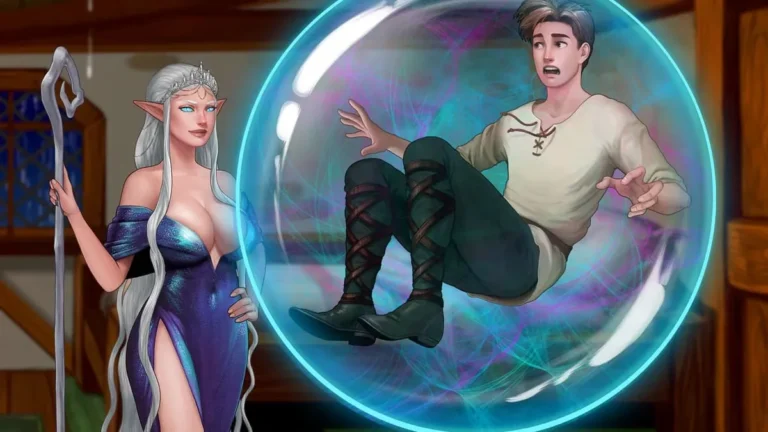
What a Legend!
Play What a Legend!
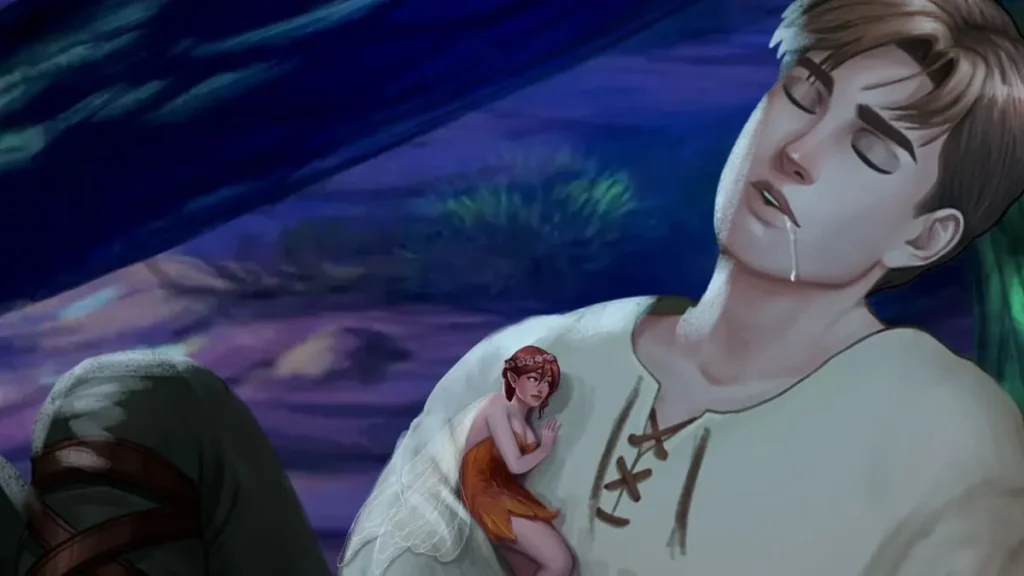
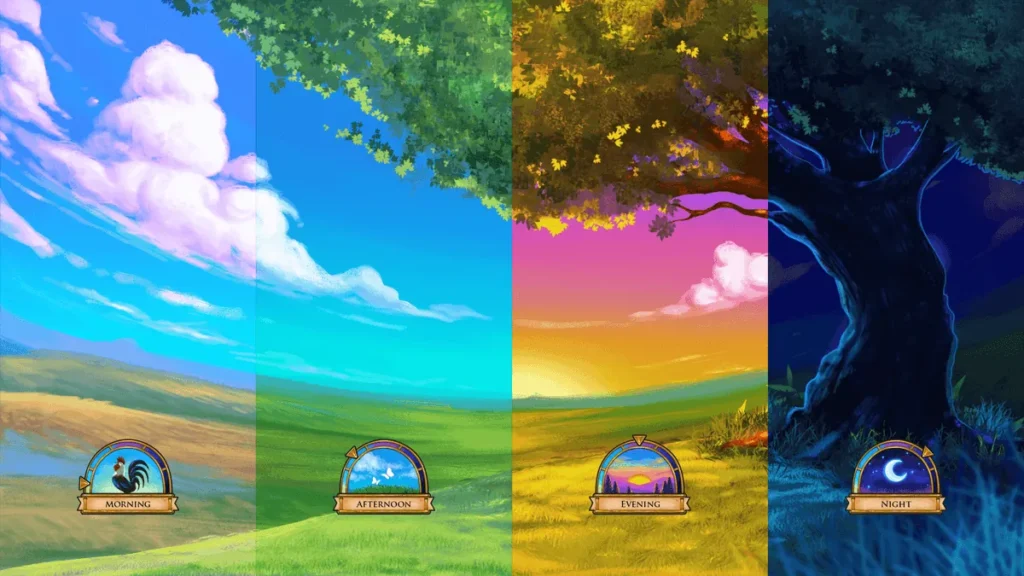
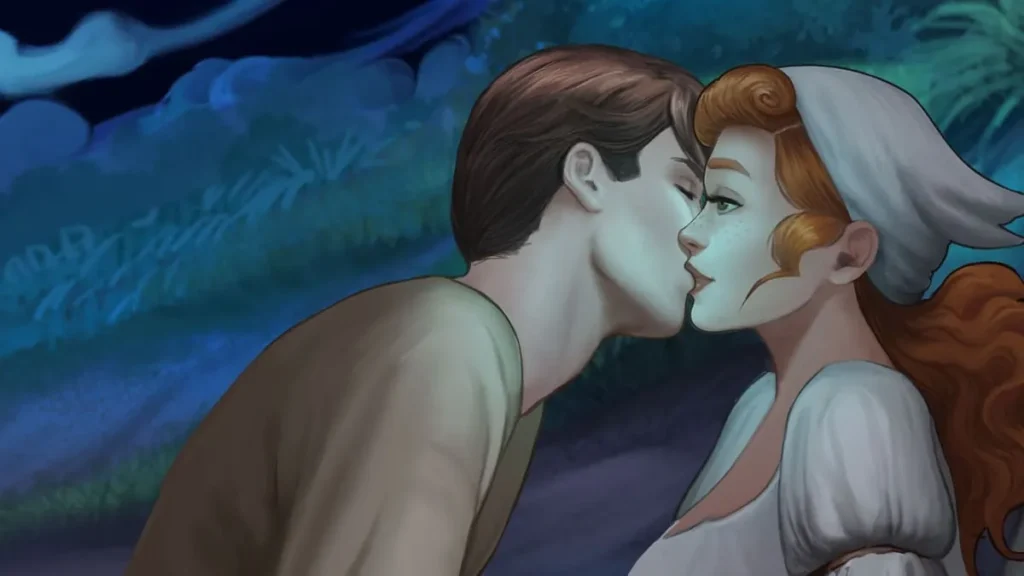
What a Legend! Screenshots







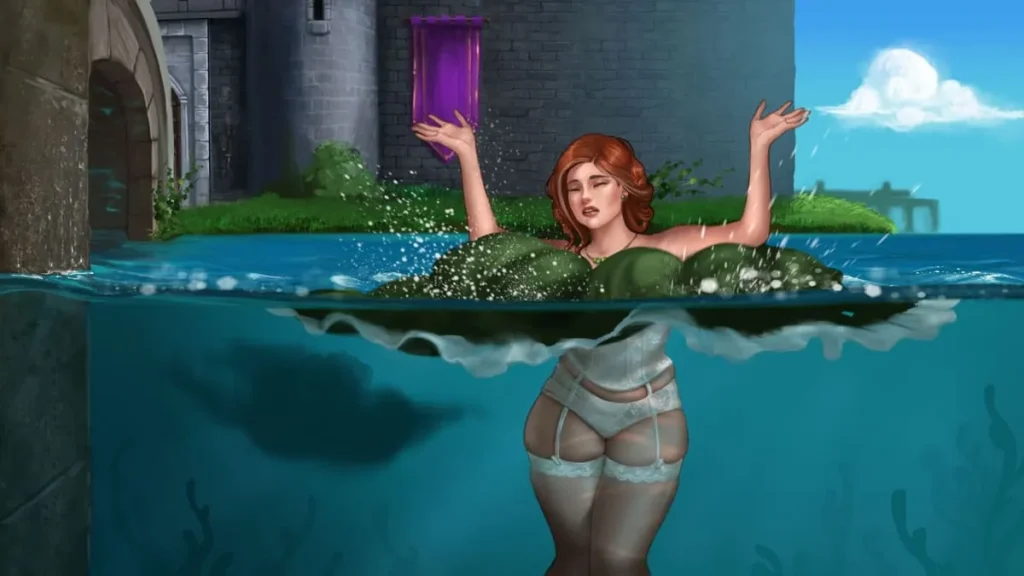

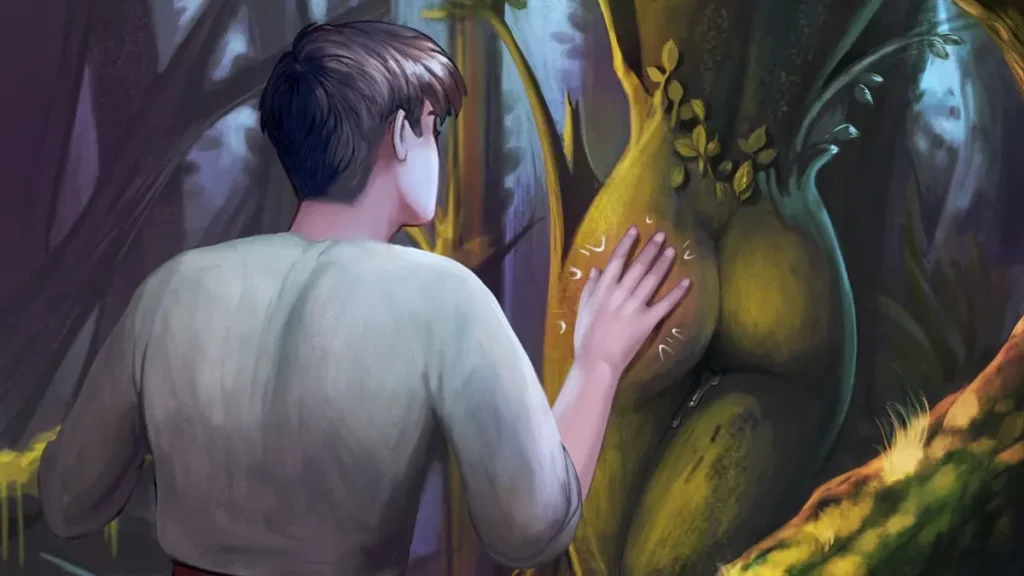
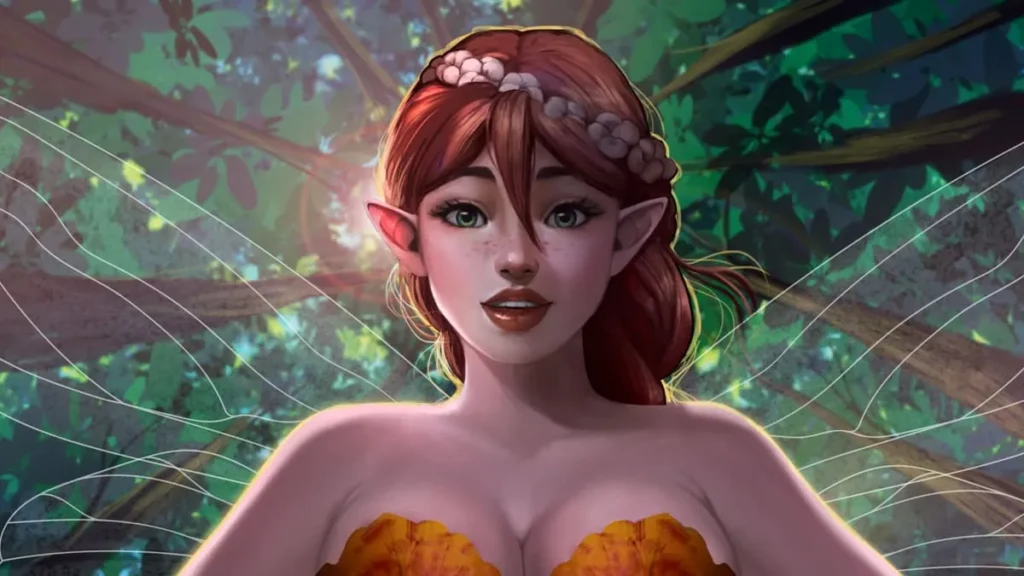


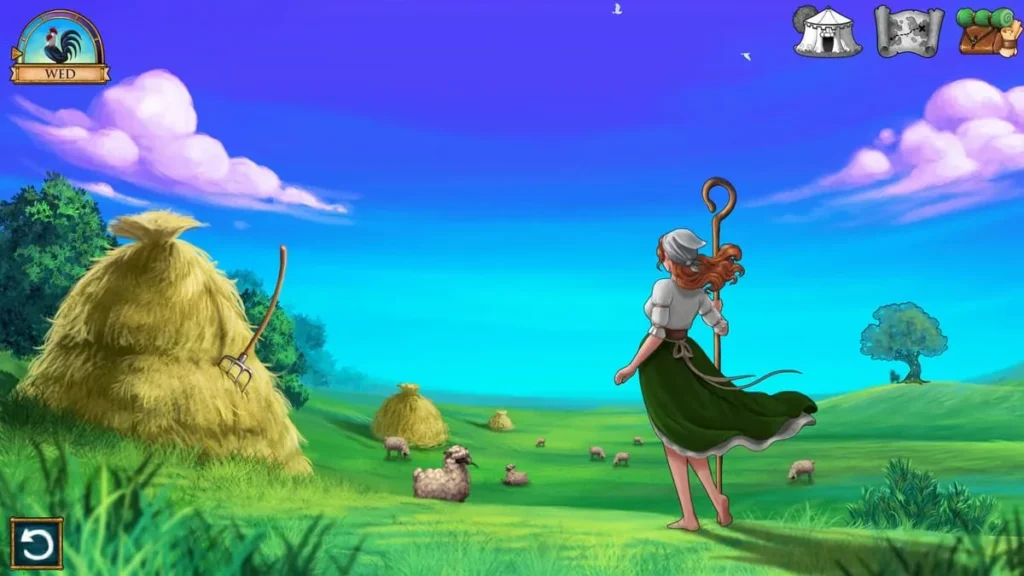

What a Legend! review
Explore the adventure, romance, and fantasy elements of this unique point-and-click experience
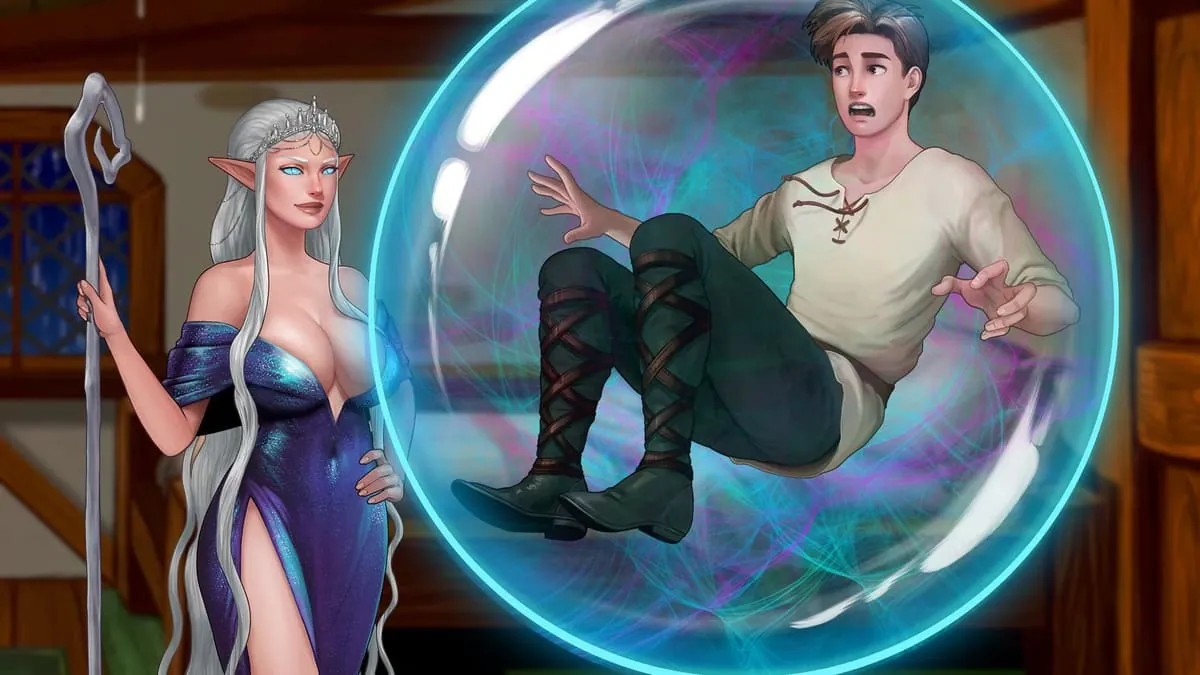
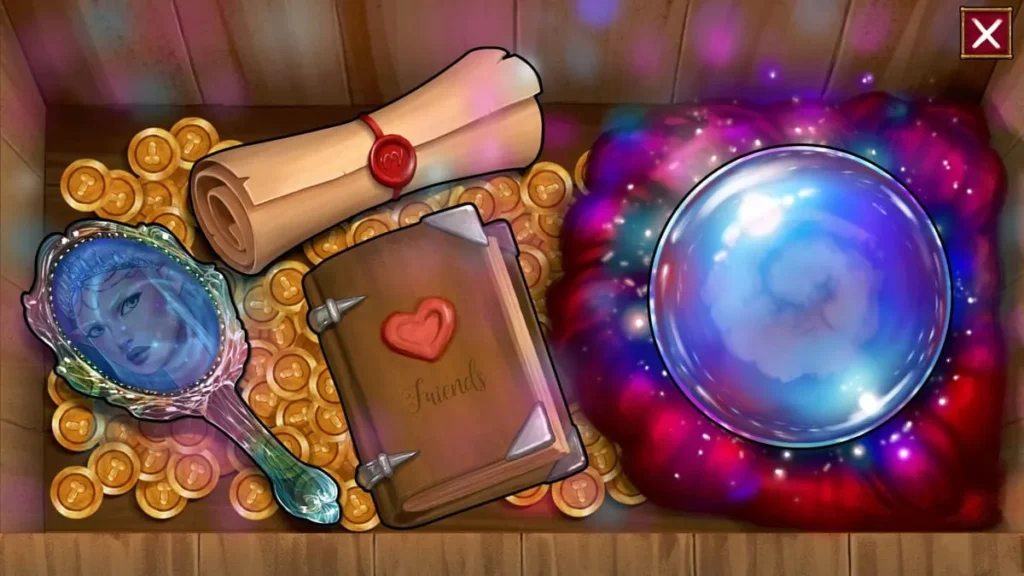
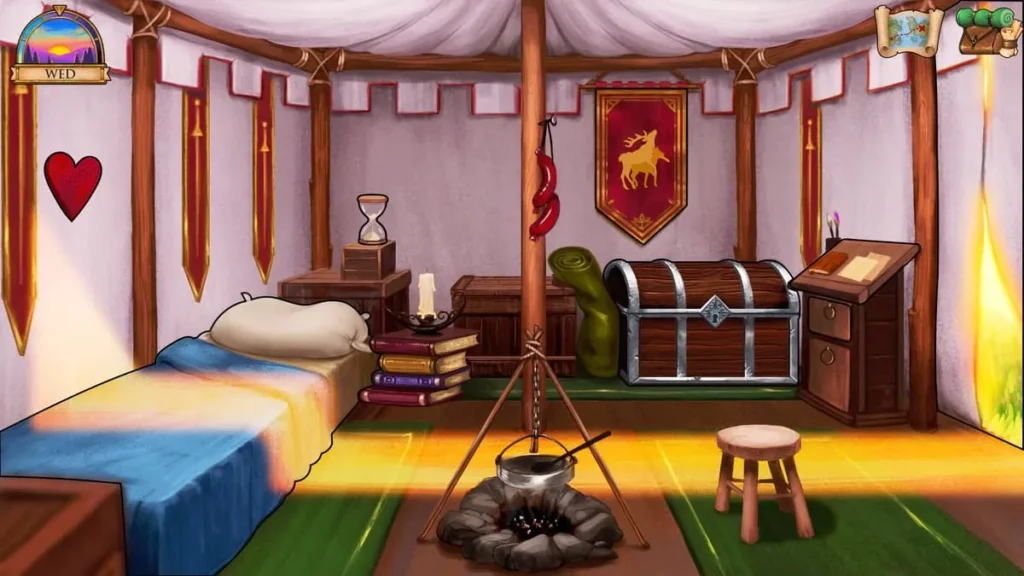
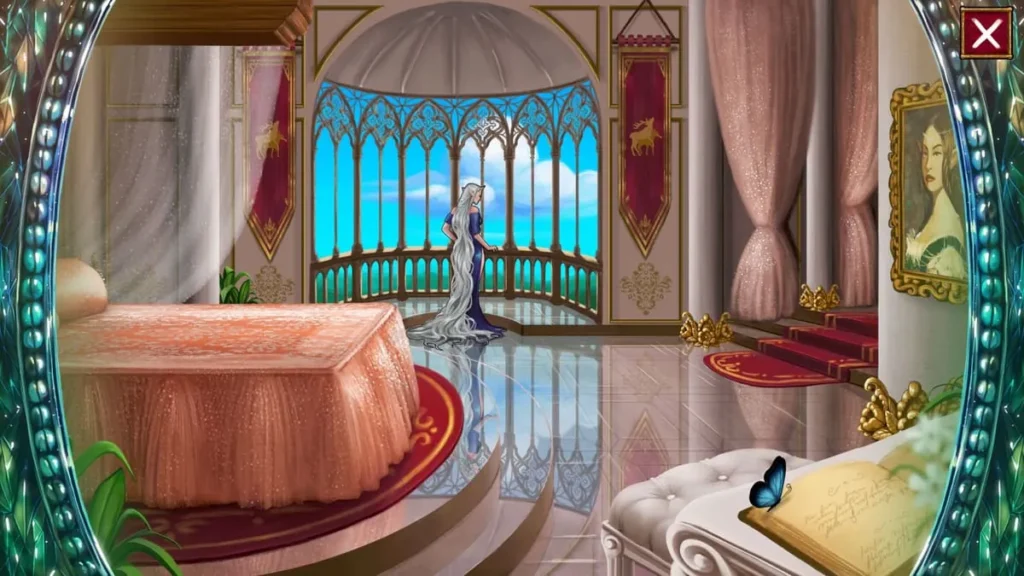
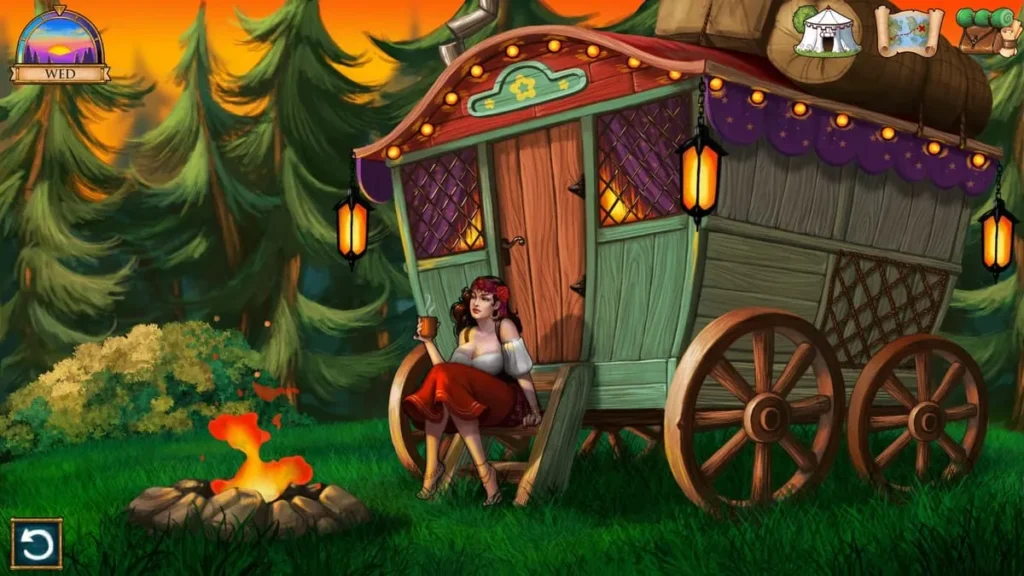
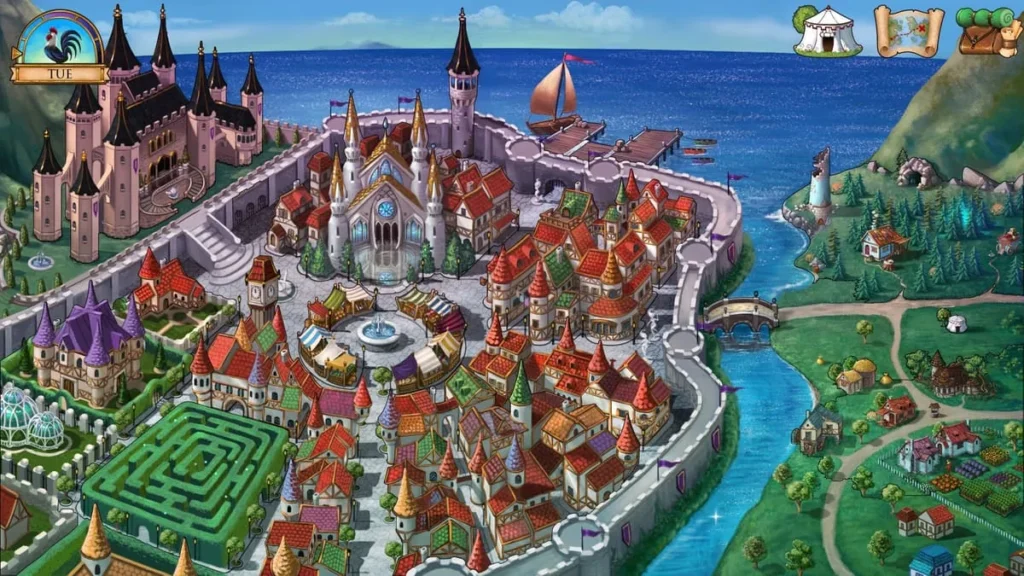
What a Legend! stands out as a distinctive point-and-click adventure that blends visual novel storytelling with sandbox exploration elements. Set in a medieval fantasy world, the game follows a young protagonist navigating college life at B&R while encountering multiple characters and storylines. With its mix of humor, romance, drama, and rich narrative content, What a Legend! offers players an immersive experience filled with meaningful choices and character-driven storytelling. Whether you’re interested in the game’s narrative depth, character development, or interactive gameplay mechanics, this guide covers everything you need to know about what makes this adventure memorable.
Understanding What a Legend! Game Mechanics and Core Features
Ever found yourself clicking through a game, feeling like you’re just along for the ride? 🎮 That’s what I used to think about many narrative games—until I stumbled into the bizarre and brilliant world of What a Legend!. This isn’t just another story you watch unfold; it’s a world you poke, prod, and personally shape with every decision. The magic lies in its ingenious blend of styles, creating a college adventure game experience that feels both wildly free and deeply personal.
At its heart, What a Legend! gameplay mechanics are a masterclass in player agency. It takes the familiar comfort of a point-and-click adventure game and marries it to the rich, choice-driven depth of a visual novel sandbox hybrid. You’re not just solving puzzles to advance a pre-written plot. You’re living a life, building relationships, and uncovering secrets at your own pace, all while the game remembers every single choice you make. Let’s dive in and unpack exactly how this unique title works its magic.
Point-and-Click Adventure Gameplay Style
Remember those classic games where you’d move a cursor around a detailed scene, clicking on everything that wasn’t nailed down? 🕵️ That’s the foundational layer here, and it’s executed with a wonderful sense of humor and discovery. The point-and-click adventure game format is your primary tool for interacting with the world of B&R College and the magical kingdom of Fables.
You view the game world from a fixed perspective, and your mouse is your key to everything. See a suspicious-looking book on a shelf? Click it. Notice a character looking shifty? Talk to them. This simple, intuitive system makes exploration feel natural and rewarding. The What a Legend! gameplay mechanics built on this foundation are all about environmental storytelling and puzzle-solving. You’ll collect items, combine them in clever ways, and use them to overcome obstacles or unlock new story beats.
But here’s where it gets interesting: your actions directly feed into the narrative. Finding a hidden item isn’t just for an achievement; it might open up an entirely new conversation branch with a character later on. This seamless connection between exploration and story progression is what sets it apart.
My “Aha!” Moment: I spent a good ten minutes clicking on a seemingly decorative gargoyle in the college library, convinced it was hiding something. It was just a gargoyle. But that act of curiosity later became a joke with another character, who teased my character for being “obsessed with stonework.” The game was listening, and it remembered!
The core loop is incredibly satisfying. You explore areas, gather clues and items, and use them to push the story forward or deepen your relationships. It’s a constant, engaging cycle of cause and effect.
Here’s a quick overview of the key features this style enables:
- Environmental Interaction: Every screen is packed with clickable elements, from obvious characters and doors to hidden, Easter egg-style objects that reward the curious.
- Inventory Puzzles: Classic adventure game logic applies. That sticky tape you found in the dorm might be the perfect tool to quietly seal a mysterious letter you shouldn’t be reading. 🔍
- Exploration-Driven Progression: The story often won’t move until you’ve explored a location thoroughly. The world itself is a puzzle to be solved.
- Atmospheric Storytelling: The detailed, hand-drawn scenes do more than set the mood; they hide secrets and tell small stories of their own.
This point-and-click adventure game framework provides the structure, but the soul of the experience comes from what’s layered on top.
Visual Novel and Sandbox Integration
If the point-and-click mechanics are the bones, then the visual novel sandbox hybrid elements are the muscle, heart, and mischievous brain. This is where What a Legend! truly becomes its own legendary creation. It deftly combines the structured, narrative-heavy presentation of a visual novel with the open-ended, player-driven freedom of a sandbox.
So, what does “sandbox” mean here? It doesn’t mean building cities or terraforming landscapes. 🏞️ Instead, it refers to character freedom and choice-driven narratives. Think of B&R College as your personal playground. You have a central, overarching goal (dealing with that pesky evil tyrant from the realm of Fables), but how you spend your days, who you befriend, and what stories you pursue are largely up to you. The game presents you with a living world and a chunk of time, then says, “Go on, see what you can make happen.”
The visual novel side shines during conversations and key story moments. You’re presented with beautifully drawn character sprites, expressive portraits, and, most importantly, branching narrative choices. These aren’t just “Good/Evil/Sarcastic” options. They feel like genuine responses you might actually think of, and they have tangible consequences. Choosing to help one character with their problem might lock you out of another’s trust for a while. The game’s brilliant story progression system weaves these choices into a truly personal tale.
| Gameplay Aspect | Visual Novel Element | Sandbox Element |
|---|---|---|
| Narrative Flow | Scripted story scenes with dialogue choices and branches. | Open-ended daily schedule; you choose which location to visit and whom to interact with. |
| Player Agency | Influencing character relationships and story outcomes through conversation. | Deciding how to spend in-game time and which mini-arcs or quests to prioritize. |
| World Interaction | Focused on character dialogue and internal monologue. | Focused on exploring environments, finding items, and triggering events through exploration. |
| Progression Gate | Often tied to reaching specific relationship milestones or story flags. | Often tied to finding key items, discovering locations, or completing optional tasks. |
This hybrid approach means no two playthroughs are identical. Your college adventure game experience might be a slow-burn romance with one character, while mine is a chaotic series of magical misadventures and failed classes. The sandbox freedom allows you to set your own pace, while the visual novel structure ensures every choice feels meaningful and impactful. It’s a balance that few games achieve, making the What a Legend! gameplay mechanics feel refreshingly cohesive.
Story-Driven Character Interactions
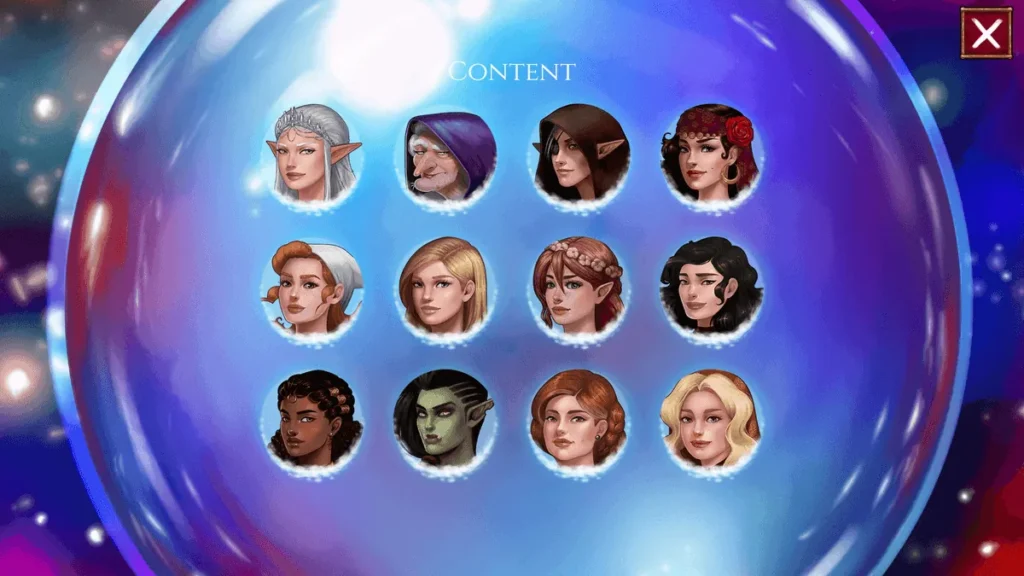
All the exploration and freedom in the world would mean little if the characters you met were cardboard cutouts. Thankfully, the character interaction system in What a Legend! is where the game’s writing, humor, and heart come together spectacularly. 🤝 Every person you meet—from the enigmatic headmistress to your fellow students—feels like a living part of this weird world, with their own desires, secrets, and schedules.
Interactions aren’t just about clicking through dialogue trees. They’re a core part of the point-and-click adventure game loop. You might need to find a specific item to gift to someone to gain their favor, or overhear a conversation in one location that gives you a new topic to discuss with another character elsewhere. The system is deeply contextual. Your relationship status, what you’re carrying, what you’ve seen, and even the time of day can all unlock unique dialogue options and story paths.
This is where branching narrative choices become truly powerful. A simple decision in an early conversation can butterfly-effect its way through the entire game, opening up unique scenes, quests, or even entire romantic subplots that would otherwise remain hidden. The game doesn’t just track a simple “like/dislike” meter; it tracks a complex web of flags and variables based on your actions.
Let me give you a concrete example from my own playthrough. Early on, I met a shy, bookish student named Elara in the library. During our first conversation, I had a few branching narrative choices:
- Tease her about being a “teacher’s pet.”
- Offer to help her find a rare book she mentioned.
- Quickly end the conversation to go do something else.
I chose option two. This simple act of kindness did several things: it triggered a mini-quest to find the book, it increased her trust in my character, and it flagged a “Helpful to Elara” variable. Several in-game weeks later, when I was stuck on a puzzle involving ancient runes, Elara spontaneously approached me in the courtyard. Because of that earlier flag, she offered her expertise, unlocking a solution path I didn’t even know existed. Had I teased her or brushed her off, that door would have remained firmly closed. This is the character interaction system working at its finest—organic, memorable, and deeply rewarding.
The college adventure game experience is built on these moments. Whether you’re navigating the dramatic social ladder, pursuing a romantic interest (or several!), or just trying to be a good friend, every interaction feels significant. The humor—often risqué and always witty—is woven into these conversations, making them a joy to read. The drama emerges naturally from the clashing personalities and hidden agendas of the students and faculty. And the romance? It’s earned through consistent choices, shared experiences, and paying attention to what makes each character tick.
Your journey from a clueless newcomer to a campus legend (or a notorious troublemaker) is written one interaction at a time. The overarching plot about the evil tyrant provides a thrilling through-line, but it’s your personal web of relationships that makes the world feel truly alive. This is the culmination of all the What a Legend! gameplay mechanics: a place where your curiosity, your choices, and your connections write a story that is uniquely, wonderfully yours. 🏆
What a Legend! delivers a compelling blend of point-and-click adventure gameplay with rich narrative storytelling set in a medieval fantasy college environment. The game’s strength lies in its ability to balance humor, romance, and drama while offering players meaningful choices that shape their unique story experience. With its hybrid visual novel and sandbox approach, the game provides both structured narrative moments and freedom for character exploration and relationship development. Whether you’re drawn to the intricate character interactions, the branching storylines, or the quest to confront the evil tyrant, What a Legend! offers an engaging adventure that rewards player investment in its world and characters. For those seeking a story-driven experience with multiple paths to explore and characters to connect with, this game presents a memorable journey through college life and fantasy adventure.