
Boat
Play Boat
Boat Screenshots


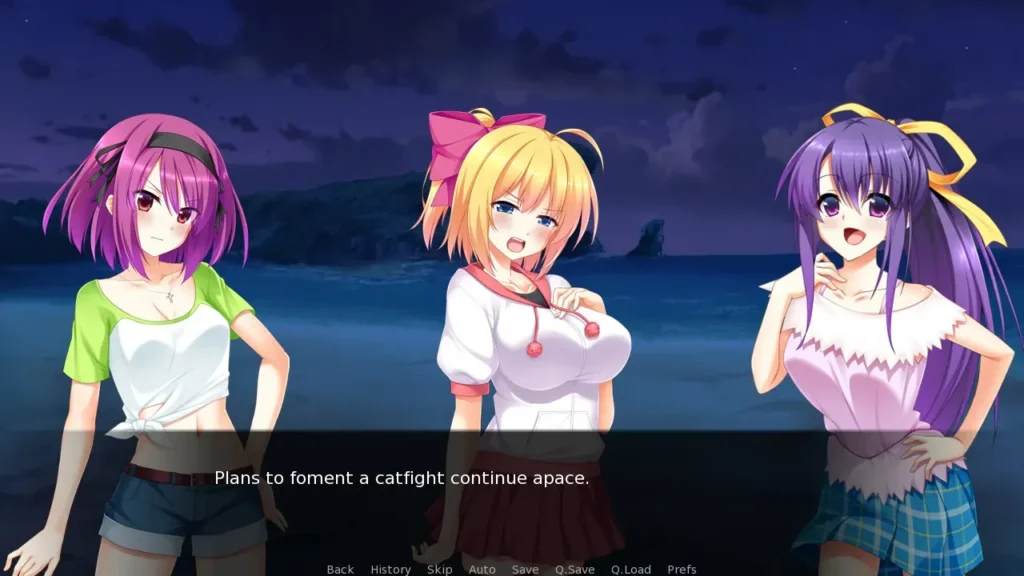
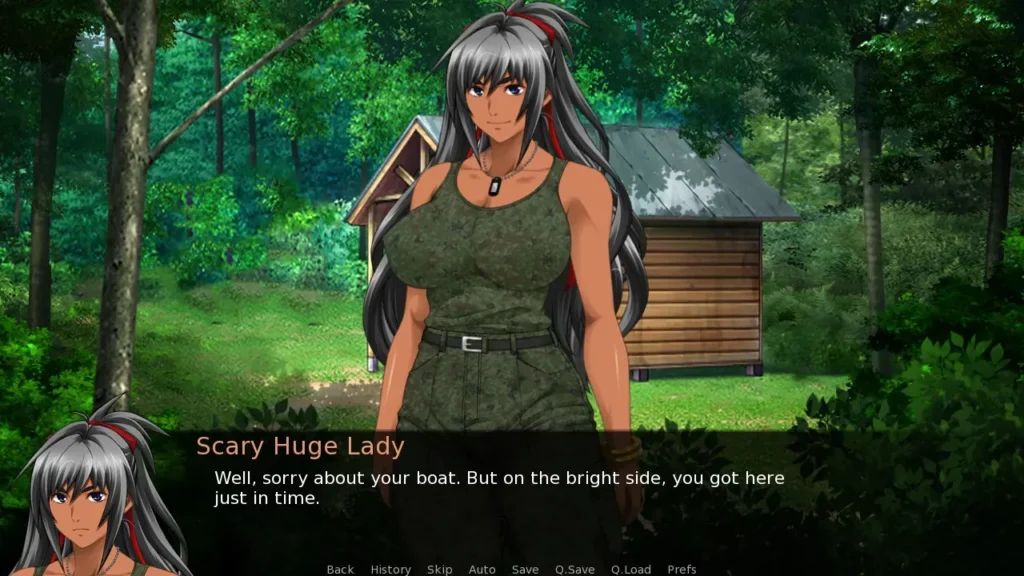









Boat review
A hands-on guide to gameplay, mechanics, and personal strategies for Boat
Boat is a niche indie title that blends narrative choices, exploration, and resource management into a compact experience designed to provoke curiosity and replayability. In this article I describe the game’s core mechanics, my first-hand impressions from multiple play sessions, and practical strategies that helped me progress further and unlock alternate outcomes. Whether you’re new to Boat or looking to master its systems, this guide covers what mattered most in my runs and how to get more satisfying play sessions.
Getting Started: What Boat Is and How It Plays
So, you’ve heard about Boat and you’re ready to set sail? 🚤 Perfect. This hands-on guide is your first mate, here to navigate you through everything from that initial launch to finding your sea legs. Boat isn’t your typical high-seas adventure; it’s a contemplative, narrative-driven experience where the journey itself—the slow rocking of the waves, the passing time, and the conversations you have—is the entire point. Think less about naval battles and more about personal reflection, all from the deck of a small, persistent vessel.
This Boat game overview will prepare you for a unique kind of game. The pacing is deliberately slow, the visuals are often minimalist but strikingly beautiful, and the sound design is a character in itself. Your goal isn’t to conquer, but to exist, explore, and uncover stories. If you’re coming from fast-paced action titles, consider this a chance to unwind and engage with a game on a different frequency. 🎮
What to expect in your first session
Your first hour in Boat is all about acclimation. When you learn how to start Boat, you’ll immediately notice the absence of frantic tutorials or overwhelming UI. The game trusts you to figure things out through gentle suggestion. You’ll likely begin at a quiet dock or already adrift on calm waters. The first thing that will strike you is the atmosphere—the lapping of water against the hull, the whisper of the wind, and a soft, perhaps slightly melancholic, soundtrack. 🎵
The initial objectives are subtle. You might be prompted to simply look around or steer toward a distant point on the horizon. This is your introduction to the core loop: navigating, observing your surroundings, and managing your vessel’s condition. Don’t expect a rush of action. Instead, savor the quiet moments. Read the notes or logs you find, listen to the ambient dialogue (if your character has a companion or internal monologue), and get a feel for the rhythm of the water. Your first session is less about achievement and more about establishing a mood and understanding the space you’re in.
This early period is the heart of any solid Boat gameplay guide. It’s where you learn that progress is measured in introspection, not inches on a map.
Core mechanics and interface overview
The beauty of Boat lies in its elegant simplicity. The interface is clean, often fading away entirely to let you soak in the view. Here’s a breakdown of what you’ll be working with.
-
Movement & Navigation (The Heart of Boat Controls): Steering your boat is typically handled with straightforward input. On console, it’s usually an analog stick; on PC, mouse or keys. The physics feel weighty and authentic—turning takes time and momentum. You’re not driving a speedboat; you’re guiding a craft that responds to the water. A small compass or a subtle icon on the edge of the screen often points you toward potential areas of interest, but following it is always optional. 🧭
-
Interaction & Dialogue Systems: This is how you engage with the world. You’ll approach points of interest—a floating crate, a weathered journal on deck, a radio—and press a button to interact. Choices in dialogue or action are presented calmly, without time pressure. These choices might affect the narrative’s tone, reveal backstory, or change small details in your environment. There’s rarely a “right” or “wrong” answer, just different shades of experience.
-
Vessel Condition & Stamina: Your boat isn’t just transport; it’s your home and health bar. A subtle meter or visual cues (like creaking sounds, slower speed, or visual wear) will indicate its state. You may need to perform simple maintenance by collecting floating resources (driftwood, scrap metal) or finding safe harbors to repair. Similarly, your own stamina for activities like fishing or examining items might be limited, encouraging you to take breaks and just be on the water.
-
Visual & Audio Design: The visuals prioritize mood over hyper-realism. You might see stunning, stylized sunsets, fog that rolls in obscuring your view, or rain that patters on the deck. The sound design is arguably the most important mechanic. It provides clues, sets emotion, and is essential for immersion. Wear headphones if you can. The direction of gull cries, the change in water sounds near shore, and the layers of the music are all critical to the experience.
Mastering these elements is the key to progressing from a beginner to a seasoned captain in this Boat gameplay guide.
System requirements and platforms
Before you embark on your voyage, let’s make sure your setup is ready. Boat is designed to be accessible, but ensuring smooth performance will maximize its immersive potential. Here’s a clear breakdown of the Boat platform requirements.
| Platform | Status | Notes & Recommendations |
|---|---|---|
| PC (Steam & Epic) | Available | The ideal platform for higher fidelity. Ensure your audio drivers are updated. |
| PlayStation 5 | Available | Great for controller play on a big screen. HDR support is stunning if your TV supports it. |
| Xbox Series X/S | Available | Performance is smooth on both consoles. Quick Resume feature is perfect for short sessions. |
| Nintendo Switch | Available | Perfect for portable play. Expect some visual compromises in handheld mode for stable performance. |
For PC players, here are some general guidelines for Boat platform requirements:
Before you start your first playthrough, go to the settings menu! Adjust the resolution to match your monitor, and spend a minute in the audio settings. Often, you can balance the levels between the music, sound effects, and any voiceover to your liking. This small step makes a huge difference.
My most memorable early moment came about 45 minutes into my first playthrough. I was chugging toward a marked island, fighting a slight current, when I noticed my “stamina” or focus meter was depleting quickly from the effort. A prompt suggested I could just “rest and drift.” Skeptical, I let go of the controls. My boat slowly turned sideways and began to drift lazily with the current. The tense music faded, replaced by the pure sounds of the sea and a softer, piano melody. I watched as the island I was striving for slowly passed by, and a new, unmarked inlet came into view down the coast. The game was literally telling me: “Stop trying so hard. The destination isn’t the point. See what you find when you let go.” That single, early choice to obey the game’s quiet suggestion defined my entire relationship with it. It’s a masterclass in environmental storytelling and mechanical reinforcement of theme.
Your Quick-Start Checklist for Boat
Ready to begin? Follow this simple list to hit the water running.
- Configure Your Experience: Before pressing “New Game,” visit Settings. Set your resolution, and fine-tune the audio sliders for ambiance, music, and dialogue. This is the most important tech step for immersion.
- Learn the Essentials: Spend the first 10 minutes learning the Boat controls for steering, accelerating, and braking. Then, find the button for interactions (looking at objects, reading notes). Nail these two things first.
- Embrace the Pace: Don’t rush. Let your boat drift sometimes. Observe the horizon and listen. The game reveals its secrets to the patient.
- Monitor Your Vessel: Keep a casual eye on any condition meters for your boat. Glance at floating debris—it might be a resource for later.
- Follow Your Curiosity, Not Just the Marker: If the game points you toward an objective, it’s a suggestion, not a command. If something else catches your eye—a strange light, a quieter cove—go investigate. Your personal story is built on these detours.
Stick to this plan, and your Boat first playthrough tips will evolve from basic survival to deep appreciation. Now, the water’s waiting. It’s time to cast off. ⚓
Boat delivers a compact, choice-driven experience that rewards curiosity and multiple playthroughs. In this guide I covered the essentials to get started, how progression and endings function, practical strategies to improve your runs, and ways to tap into the player community and extensions. Try the quick-start checklist in the Getting Started chapter, pick a playstyle to focus on, and experiment with mid-run tactics—then share your findings with the community so other players can benefit.