Foot of the Mountains 2
Play Foot of the Mountains 2
Foot of the Mountains 2 Screenshots









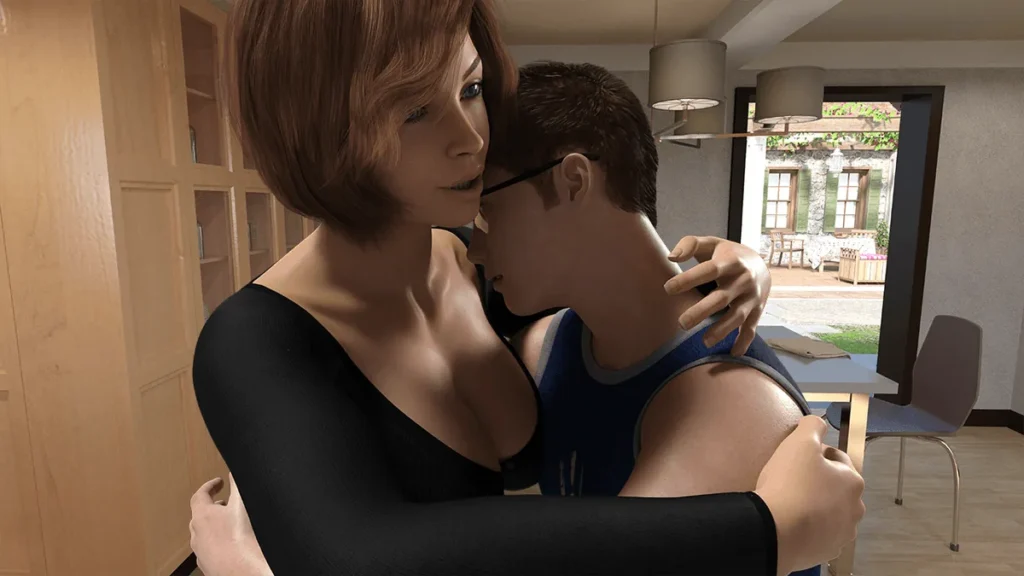





Foot of the Mountains 2 review
Master every route, scene, and decision in this narrative adventure game
Foot of the Mountains 2 is a narrative-driven adventure game that puts you in the shoes of Daniel, who returns home to discover a tragic family mystery. After his parents’ murder, Daniel accepts an invitation to stay with his father’s partner William, setting the stage for an engaging story filled with choices that matter. This guide covers everything you need to know about gameplay mechanics, character routes, decision points, and how to unlock all scenes and endings. Whether you’re starting fresh or looking to experience alternative storylines, this comprehensive walkthrough will help you navigate every aspect of the game.
Gameplay Mechanics & Core Systems
Remember that first playthrough of Foot of the Mountains 2? I sure do. 🤦♂️ I was so sure I was being charming and clever, only to watch my character end up alone on the mountain path while the two companions I’d been trying to bond with rode off into the sunset together. It was a masterpiece of unintentional matchmaking, and it taught me a hard lesson: this isn’t a game where you just click through. Every single choice hums with potential energy, waiting to reshape your entire journey.
This chapter is your blueprint. We’re going to break down the very heart of the Foot of the Mountains 2 gameplay mechanics, transforming you from a passive reader into the active architect of your own story. At its core, Foot of the Mountains 2 is a choice-based narrative adventure game of the highest order. It doesn’t just have branching paths; it has entire forests of possibility, each trail defined by the branching storyline decisions you make in seemingly casual conversations.
### Understanding the Choice-Based Narrative System
Think of the narrative not as a line, but as a living, growing tree. 🎄 Every major story beat is a branch point. The game’s brilliance lies in how it makes you feel the weight of these moments. It’s not about “good” or “bad” choices, but about character, consistency, and consequence.
For instance, early on, you might encounter a traveler whose wagon has a broken wheel. You can stop to help, offer to pay for repairs in the next town, or simply press on with a curt nod. This isn’t just a morality check. Helping might cost you precious daylight, delaying your arrival at the mountain lodge and causing you to miss a key introduction. Offering money establishes you as generous but perhaps naive. Moving on paints you as pragmatic or aloof. Each option resonates.
My Personal Insight: I once replayed the opening three times. In one, I played a brash, impatient character. By the time I reached the central lodge, two key NPCs were already wary of me, locking me out of entire dialogue trees. The game remembers your attitude, not just your actions.
The system works through a hidden relationship points system and narrative flags. Every significant dialogue option and action sets a flag (e.g., Helped_Wagon_Traveler = True) and often modifies points with characters who would approve or disapprove. The game then uses a complex web of these flags and point thresholds to determine which scenes are available to you, creating a truly personalized story flow. This is the engine behind how to unlock all scenes; it’s a puzzle of cause and effect, not a checklist.
### Route Selection and Relationship Mechanics
This is where the magic—and the strategy—really happens. Foot of the Mountains 2 routes are less about picking a menu option and more about cultivating relationships through consistent behavior. Your primary connections with the main characters—let’s call them the Stoic Guide and the Wandering Scholar—are governed by the relationship points system.
Points are earned or lost in subtle ways:
* Major Dialogue Choices: Clearly aligned with a character’s worldview.
* Minor Interjections: Agreeing or disagreeing in group conversations.
* Private Actions: Choosing who to sit with, who to help with a task, or who to confide in during a quiet moment.
* Gift-Giving: Finding and offering character-specific items (this was significantly enhanced in v5.0!).
Reaching certain point thresholds with a character opens up their unique branching storyline decisions and private scenes. But here’s the catch: you can’t max out everyone in one go. Prioritizing the Stoic Guide’s practical survival lessons might mean missing the Scholar’s historical insights during the same evening at camp. The game brilliantly forces you to role-play a specific approach.
The Golden Rule of Save Files: Your save slots are your best friends. The game encourages experimentation. Before any major story beat or conversation you’re unsure about, create a new save. This allows you to live with your first, instinctive choice, then rewind to see the alternative without replaying hours of content.
A Step-by-Step Guide to Route Exploration:
Want to see more of the story’s tapestry in one sitting? Here’s a practical method I use:
1. Play Blind First: Enjoy your initial, organic playthrough. Let your natural choices guide you. This is your “true” story.
2. Identify Branch Points: On your second run, note the major decisions—usually after a big plot revelation or at a location shift.
3. Save Strategically: At these identified points, create a dedicated save file (e.g., “Pre-Lodge Debate”).
4. Pursue One Path: Follow one character’s logic consistently, see their scenes, and reach an ending.
5. Rewind and Rebranch: Load your strategic save and make the opposing choice. Now you’re on a different Foot of the Mountains 2 route without replaying the common opening.
6. Clean Up: Use a final run with a guide to pick up any missed, highly specific scenes or dialogues you’re curious about.
This method respects the narrative’s flow while maximizing your exposure to the rich content. It turns a single-playthrough game into a fascinating anthology of “what-ifs.”
### Version Differences: What Changed in v5.0
If you’re coming back to the game after a while, or hearing buzz about the latest update, you’re right to pay attention. The jump to game version differences v5.0 (formerly referred to as v13) wasn’t just a number change; it was a comprehensive refinement of the experience based on years of player feedback. 🛠️
The developers focused on streamlining and enriching. They meticulously identified sequences players found repetitive or slow across multiple playthroughs—like certain lengthy traversal animations or generic “fetch” tasks that didn’t advance character stories. These were shortened, made skippable, or replaced entirely.
The space saved wasn’t left empty. v5.0 poured new content into the areas that matter most:
* Richer Character Interactions: More unique dialogue options based on your accumulated relationship points.
* Expanded Gift System: Gifts are now more discoverable and have clearer, more impactful results on the relationship points system.
* Polished Branching: Smoother transitions between major branching storyline decisions, reducing narrative whiplash.
* New “Moments”: Entirely new short scenes, often quiet character beats, were added to flesh out the Foot of the Mountains 2 routes, especially for secondary characters.
In essence, v5.0 is the definitive edition. It removes friction and adds depth, making the core Foot of the Mountains 2 gameplay mechanics shine brighter. The following table breaks down the key evolution:
| Version | Focus | Key Changes Impacting Gameplay |
|---|---|---|
| v3.0 | Foundation | Initial launch with core choice system, three main routes, and basic relationship tracking. Some pacing issues in the mid-game. |
| v12 | Expansion | Added a fourth, “hidden” character route, more ending variations, and quality-of-life features like a dialogue log. Relationship thresholds were slightly adjusted. |
| v13 / v5.0 | Refinement | Streamlined repetitive events, added new character scenes and gift interactions, rebalanced all **relationship points system** values for clearer progression, and introduced full controller support. The definitive experience. |
Mastering Foot of the Mountains 2 means understanding that your power isn’t in fighting monsters or solving puzzles—it’s in conversation, empathy, and choice. The Foot of the Mountains 2 gameplay mechanics are designed to make you care, to make you think about who your character is and what they value. By leveraging the relationship points system, respecting the weight of branching storyline decisions, and using the smart save system to explore the vast array of Foot of the Mountains 2 routes, you’re not just playing a game. You’re co-authoring a unique story on the slopes of that unforgettable mountain. 🏔️ Now, with the knowledge of what changed in the polished game version differences v5.0, you’re perfectly equipped to dive in and discover every secret path, ensuring you finally know how to unlock all scenes and see the story from every possible angle. Your next journey awaits
Foot of the Mountains 2 delivers an engaging narrative experience where your choices genuinely matter. By understanding the game’s mechanics, relationship systems, and decision trees, you can unlock every scene and experience all the different routes the game offers. Whether you’re pursuing a specific character storyline or trying to solve the mystery surrounding Daniel’s parents, this guide provides the roadmap you need. The game’s streamlined v5.0 version removes unnecessary repetition while maintaining the depth that makes multiple playthroughs rewarding. Take your time exploring different choices, building relationships with characters, and discovering how your decisions shape the story. Each playthrough reveals new perspectives and outcomes, making Foot of the Mountains 2 a game worth experiencing more than once.