The Fate of Irnia
Play The Fate of Irnia
The Fate of Irnia Screenshots
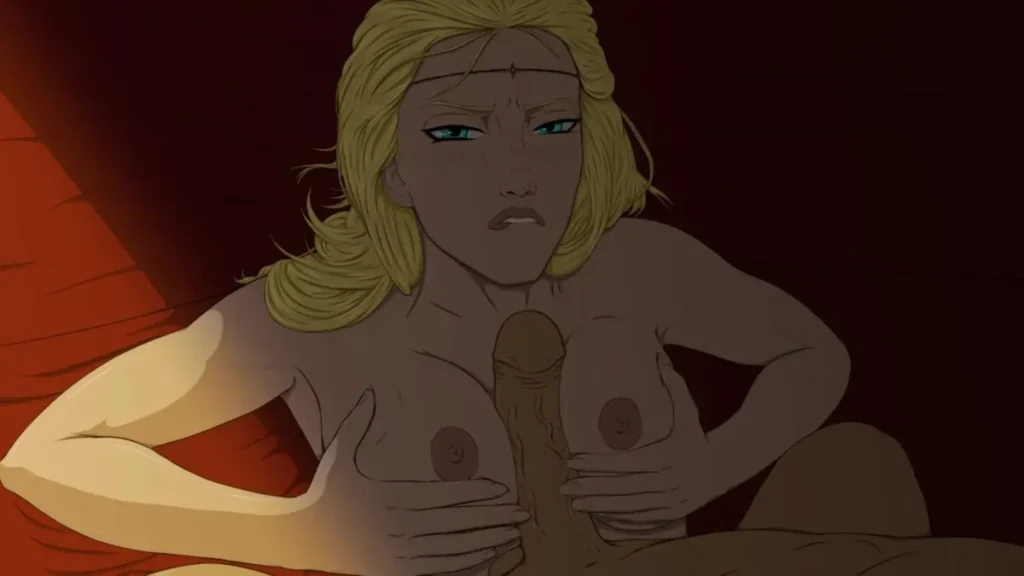
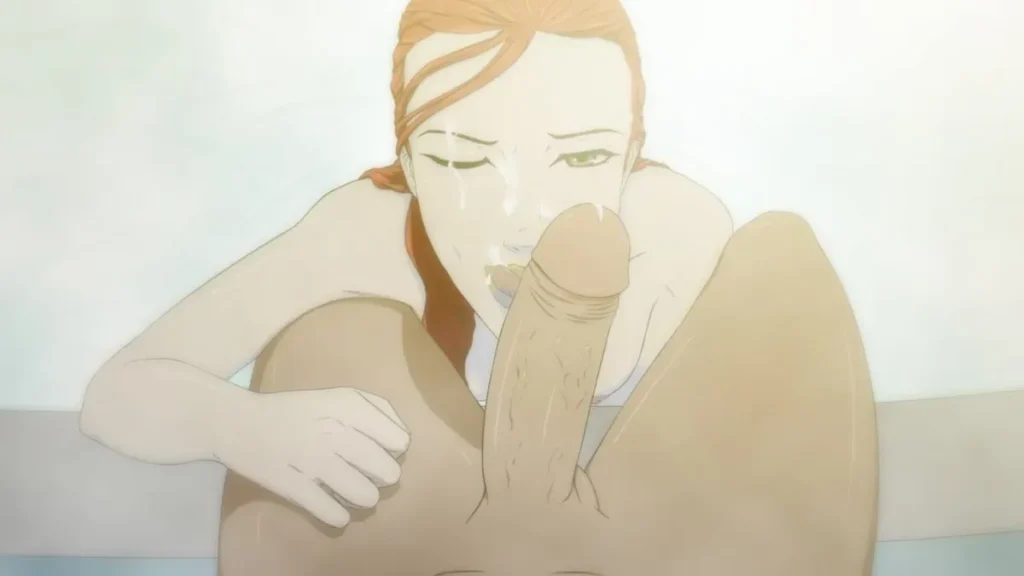
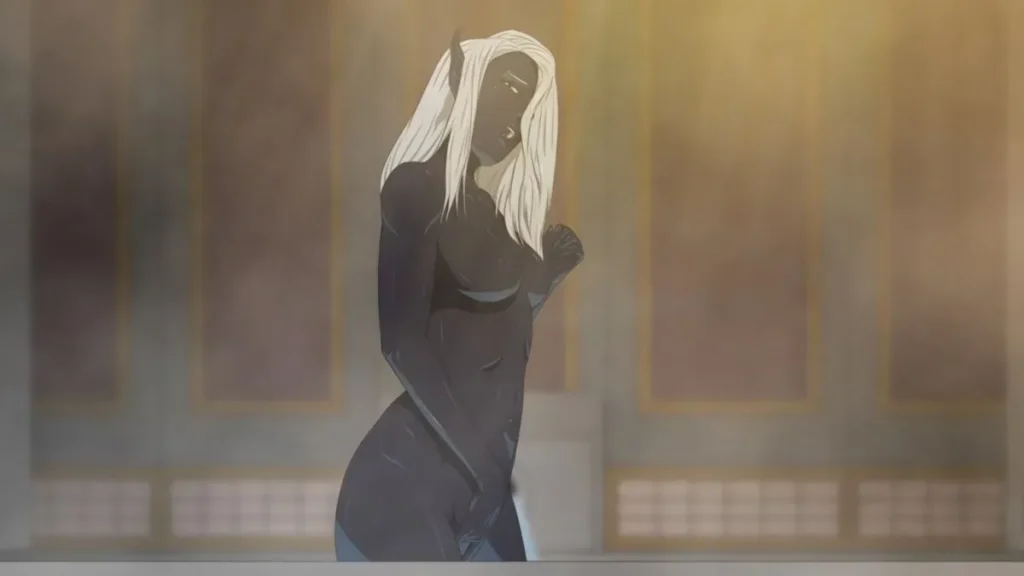
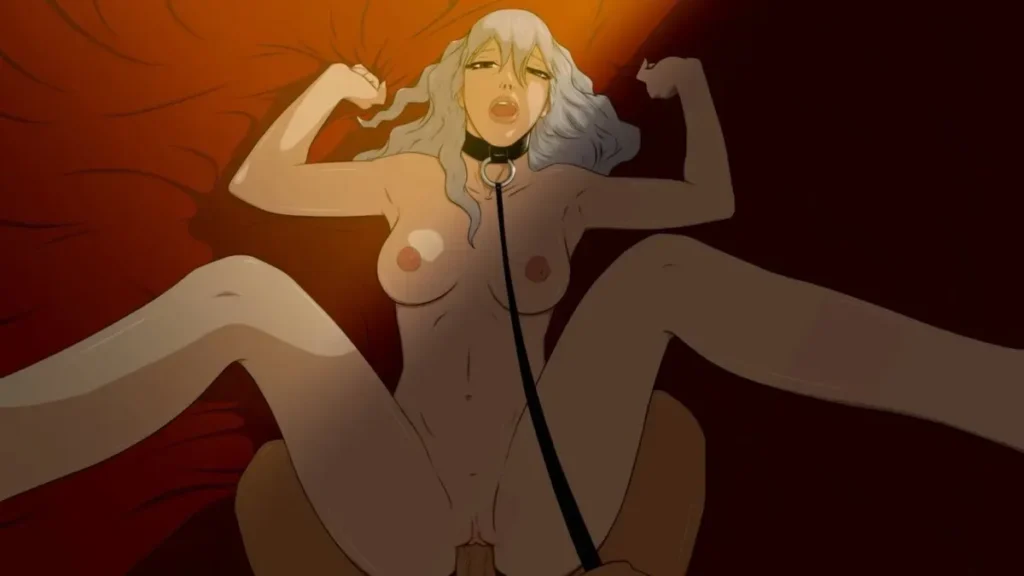
The Fate of Irnia review
Explore branching narratives, romance routes, and player choices in this fantasy visual novel
The Fate of Irnia stands out as an immersive fantasy visual novel that places player agency at its core. Set in a richly detailed world threatened by cyclical orc invasions, this interactive experience combines compelling storytelling with meaningful decision-making. Whether you’re navigating political intrigue, exploring forgotten ruins, or pursuing multiple romance routes, your choices genuinely shape the kingdom’s destiny. With multiple endings, diverse character relationships, and a sophisticated branching narrative system, The Fate of Irnia offers substantial depth for players seeking engaging interactive storytelling that rewards exploration and replayability.
Understanding The Fate of Irnia: World, Setting & Core Mechanics
Imagine you’re standing on a sun-drenched balcony, looking over a kingdom of rolling green hills and sparkling rivers. The air smells of blooming fire-lilies, and for a moment, everything is perfect. Then you remember. The scars on the land from twelve years ago, the veterans with haunted eyes in the tavern, the uneasy glances toward the northern mountains. This is Irnia—a place of breathtaking beauty living on borrowed time, waiting for the clock to strike midnight on its peace. 🏰✨
Welcome to the heart of one of the most compelling fantasy visual novel mechanics you’ll encounter. The Fate of Irnia isn’t just a story you read; it’s a world you step into, one where every decision ripples through the lives of its characters. This chapter is your guide to understanding that world and the powerful systems that make your journey through it uniquely your own. Let’s dive in.
The Kingdom of Irnia: A World Under Siege
Irnia is a land defined by a cycle of trauma. Every twelve years, like a grim celestial clock, the orc hordes of Arworos pour from the northern passes. They don’t come for conquest in the traditional sense; their invasions are brutal, swift, and devastating, leaving generations to rebuild in the shattered quiet that follows. This orc invasion storyline isn’t just a backdrop—it’s the wound that every character carries, the shadow over every political decision, and the source of the game’s relentless tension.
I remember starting my first playthrough, charmed by the bustling capital and its quirky inhabitants. I spent a good hour just chatting with the blacksmith, laughing at the local bard’s jokes, and feeling like I was in a peaceful slice-of-life tale. Then I attended the Royal War Council. The maps, the reports of border skirmishes, the grim realization that only eight months remain until the next predicted invasion… the tone shifted completely. That’s the genius of The Fate of Irnia’s setting. The beauty makes the impending threat feel more personal, more tragic. You’re not saving a generic fantasy land; you’re trying to protect the fire-lily fields you just walked through and the friends you’ve just made. 🌄⚔️
This cyclical conflict creates a society steeped in militarization, grief, and political strife. Factions argue over allocating resources: do you fortify the border, risking internal collapse, or bolster the economy and pray the walls hold? Your role, often interacting with the royal family and their advisors, places you at the center of these debates. The orc invasion storyline ensures there are no easy, purely “good” answers. Is it right to conscript farmers to defend a wall? Should you magic-bomb a mountain pass, knowing it will devastate the ecosystem for a century? The game forces you to sit with these impossible choices.
How Player Choices Drive the Narrative
Now, let’s talk about the engine that makes this world come alive: the branching narrative system. Forget simple “Paragon vs. Renegade” sliders or dialogue options that are obviously good, evil, or sarcastic. The Fate of Irnia operates on a far more sophisticated and, frankly, thrilling level. Your choices here have real player choice consequences, often in ways you won’t see until hours later.
The game has a long, detailed memory. Early on, I casually dismissed a minor noble’s request for aid, thinking it was a throwaway side-quest. Big mistake. Twenty chapters later, that same noble was a key vote on the war council, and he remembered my snub. He blocked a crucial resource allocation I desperately needed, all because of that one offhand decision I’d forgotten about. My screen didn’t flash “Noble Relationship -10”; the consequence emerged organically from the story. That’s the hallmark of a true interactive storytelling game.
This system means your playthrough is authentically yours. You might play as a pragmatic diplomat, a warmongering hawk, a compassionate healer, or a cunning spy. The characters around you will react and adapt to your consistent behavior. Lie often, and they’ll become suspicious. Show kindness to an enemy, and someone might call you a traitor, while another sees a potential for peace. The branching narrative system creates a web of cause and effect that locks you into—or out of—entire story arcs, romance routes, and endings.
To give you a practical sense of how deep this goes, here’s a comparison of how early choices can dramatically alter your mid-game experience:
| Your Early Choice | Immediate Reaction | Long-Term Narrative Consequence |
|---|---|---|
| Spend an evening training with the Guard Captain. | Gain a minor combat skill. The Captain appreciates your initiative. | Unlocks military-focused story branches. You are trusted with tactical missions later. The scholarly faction may see you as a brute. |
| Spend the same evening researching ancient treaties in the library. | Learn historical context about Arworos. The Head Scholar is impressed. | Unlocks diplomatic and historical paths. You can uncover non-violent solutions. The military may see you as naive. |
| Publicly advocate for evacuating border villages immediately. | Peasants cheer you; military advisors call it premature fear-mongering. | Massively boosts your reputation with the common folk, making grassroots missions easier. Locks you out of the “Fortify at All Costs” strategy, as the army loses trust. |
| Argue to hold the border and keep villagers in place as scouts. | Military approves for strategic reasons. Families in the villages are terrified and resentful. | Gain high-level military alliances and intelligence. Risk peasant revolts or being betrayed by a desperate villager later in the story. |
See what I mean? There’s rarely a “best” option, only your option. This approach to player choice consequences makes replayability not just a bonus, but a core part of understanding the full, tragic scope of Irnia’s fate. It turns The Fate of Irnia gameplay into a deeply personal series of “what if” experiments.
The Magical Orb System & Its Impact on Gameplay
If the choice system is the brain of the experience, then the magical orb mechanic is its mysterious, pulsating heart. Early in the story, you inherit a peculiar artifact—a crystalline Orb that reacts to strong emotions and bonds. This isn’t a simple “give gift, get love points” meter. The Orb is a tool for deep, sometimes unsettling, interpersonal connection.
Think of the Orb as an emotional lens and amplifier. By spending its carefully accumulated energy, you can perform “Glimpses” into a character’s past or feelings, or “Nudges” to subtly influence their emotional state. Here’s the kicker: you can use this power for genuine connection or for pure manipulation. Want to truly understand why the stoic knight fears the coming war? Use a Glimpse to experience his memory of losing his family in the last invasion, forging a real bond of trust. Or, do you need him to be angrier, more vengeful, to support your aggressive plan? Use a Nudge to stoke those embers of pain. 😶💎
This adds an incredible, meta-ethical layer to The Fate of Irnia gameplay. The Orb made me question my own motives constantly. Was I using this power to help people, or to make them into the tools I needed to “win”? In one route, I used repeated Nudges on a political rival to make her more doubtful and pliable. It worked—I passed my policies. But later, when the invasion came, her indecision, which I had cultivated, led to a catastrophic delay in her district’s defense. The game didn’t pop up a judgmental message; it just showed the tragic, direct result of my meddling. The magical orb mechanic ensures you are never a passive observer; you are an active, sometimes dangerous, participant in the psychological landscape.
Managing the Orb is crucial. Its energy recharges slowly based on your own genuine, un-manipulated interactions. This beautifully ties the system together: to have power to influence, you must also engage authentically. It’s a brilliant piece of interactive storytelling game design that blends resource management with role-playing ethics.
Ultimately, The Fate of Irnia masterfully intertwines its oppressive, beautiful world with mechanics that give you real agency. The orc invasion storyline provides the relentless pressure, the branching narrative system gives weight to your every word, and the magical orb mechanic lets you delve into the very souls of those around you. This isn’t just a visual novel; it’s a meticulously crafted simulation of leadership, morality, and survival in a world on the brink. Your understanding of these core systems is the first, most important step in determining what kind of legacy you will leave in the annals of Irnia. Will you be a remembered hero, a despised tyrant, or a forgotten footnote? The kingdom’s fate, and the fates of all you meet, now rests in your hands. 🤲✨
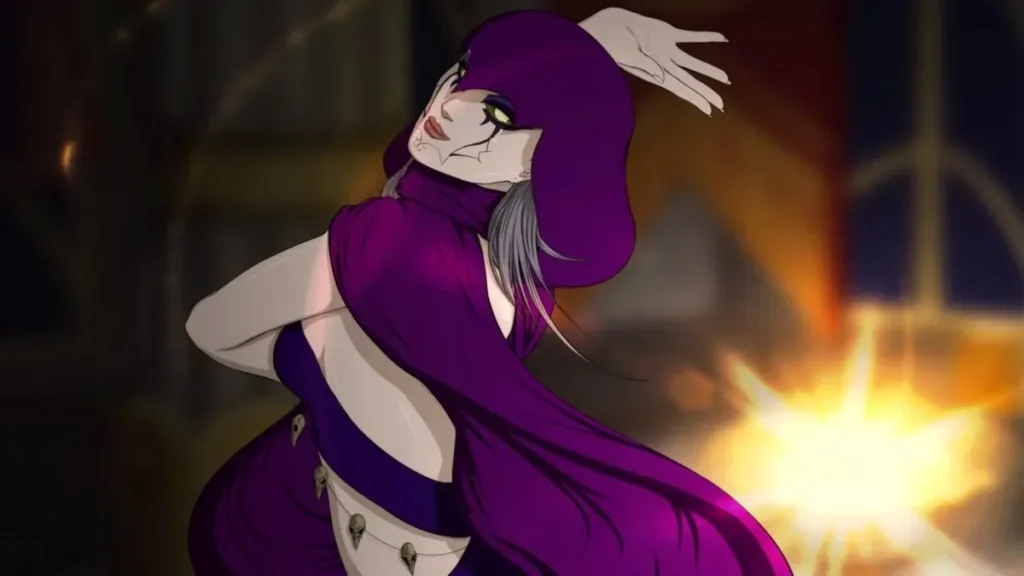
The Fate of Irnia delivers a compelling fantasy experience that successfully merges adventure, romance, and meaningful player agency into a cohesive interactive narrative. The game’s richly detailed world, multiple romance routes, and sophisticated branching narrative system create substantial depth for players seeking immersive storytelling. What truly sets this experience apart is the commitment to making player choices matter—from relationship dynamics that characters genuinely remember to world state changes that reshape the kingdom’s political landscape. The diverse romance routes, including Jenny’s steady connection, Ghorza’s dominative path, and the Water Naiad’s ethereal mystery, offer completely different emotional and narrative experiences. The Death route and its atmospheric storytelling demonstrate the game’s willingness to explore dark and unexpected territory. Whether you’re navigating council meetings, exploring forgotten ruins, or facing orc invasions, your decisions carry real weight and consequences. With multiple vastly different endings, hidden content, and mutually exclusive story branches, The Fate of Irnia encourages repeated playthroughs to discover how alternative decisions shape the protagonist’s journey and Irnia’s ultimate destiny. For players seeking genuine interactivity and meaningful consequences in their visual novel experience, this game stands as a masterclass in player-driven storytelling.